


How To Use Led Panel Light?
Sep 08, 2025
Leave a message
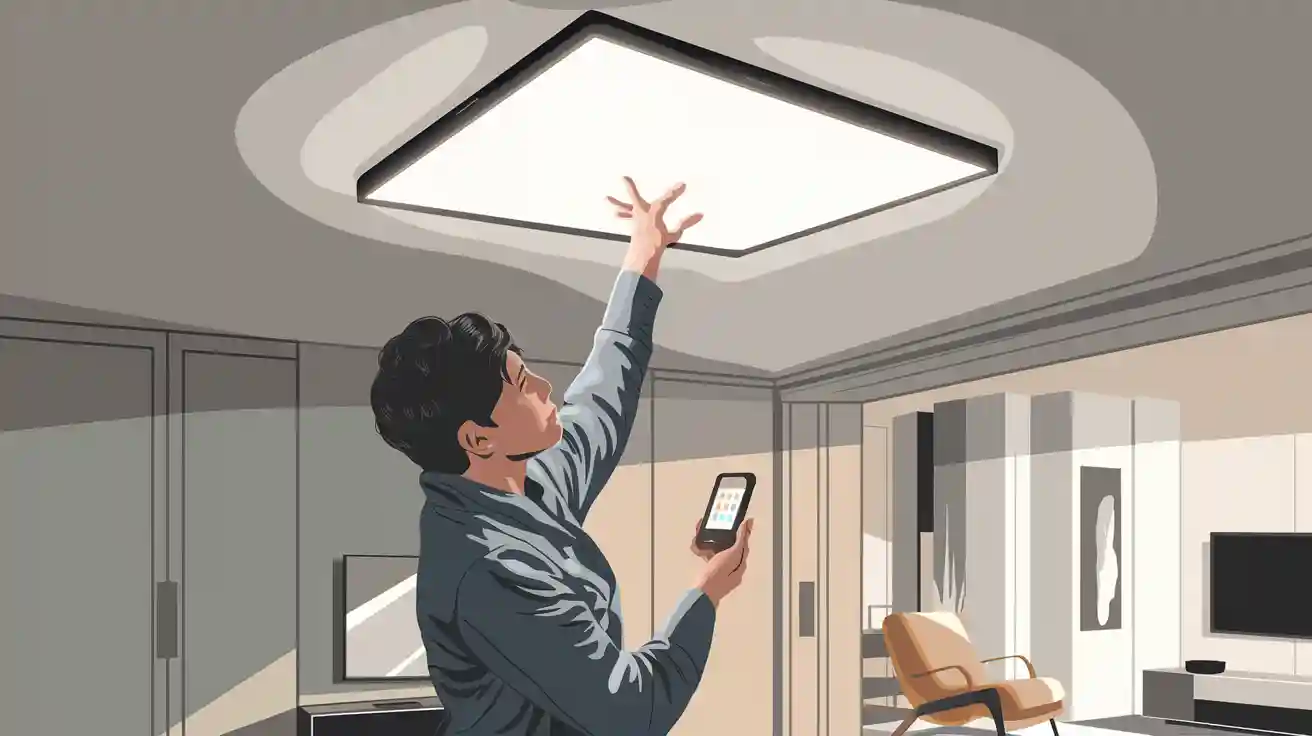
When you set up a led panel light, you follow several crucial steps: unboxing, installation, wiring, operation, adjustment, and maintenance. These fixtures offer outstanding versatility for home, office, and studio environments. You see strong adoption across both residential and commercial sectors:
|
Sector |
2023 Value (USD Billion) |
2032 Value (USD Billion) |
Growth Rate (%) |
|---|---|---|---|
|
Residential |
10.2 |
14.5 |
N/A |
|
Commercial |
8.5 |
11.5 |
N/A |
|
Total Market |
32.4 |
45.0 |
3.72 |
Homeowners choose led panel lights for indirect lighting setups, such as under cabinet or behind headboards, while offices rely on even illumination to reduce eye strain. You boost comfort and save energy by choosing the right led panel lights, as LEDs cut consumption by up to 85% and contain no hazardous materials. Avoid common mistakes like faulty drivers or loose wiring to ensure a reliable lighting setup.
Key Takeaways
Unbox your LED panel light carefully. Check all components against the manufacturer's checklist to ensure a complete and safe installation.
Follow safety protocols during installation. Always turn off the power, use a voltage tester, and wear protective gear to prevent accidents.
Choose the right installation method for your space. Options include ceiling mount, recessed, suspended, and wall mount, each offering unique benefits.
Adjust brightness and color temperature to create the desired ambiance. Use dimmers and smart controls for flexibility in lighting settings.
Regularly clean and maintain your LED panel lights. This practice extends their lifespan and ensures consistent performance.
Unboxing led panel light
Check Components
When you unbox your LED panel light, you set the foundation for a safe and efficient installation. You need to verify that all essential components are present. Major manufacturers include several standard items in each package:
- LED driver
- Power specifications sheet
- IC rate label
- Dimming options guide
- Color-coded spring clips
- Packaging box
You should check each item against the manufacturer's checklist. Missing components can compromise installation and performance. Apex Lighting Panels, for example, use advanced LED optical systems to deliver high uniformity and DLC PREMIUM energy efficiency. These features only work when you install every part correctly.
Tip: Always review the included documentation for power ratings and dimming compatibility. This ensures you match your LED panel light with the correct driver and controls.
You also need to confirm that your LED panel light meets industry certifications. These certifications guarantee safety, energy efficiency, and product quality. The table below summarizes the most important certifications:
|
Certification |
Description |
|---|---|
|
VDE |
Compliance with European safety and quality standards |
|
DLC |
Energy efficiency and performance for commercial lighting |
|
UL |
Electrical safety and fire resistance |
|
ENERGY STAR |
Energy-efficient products with reduced consumption |
You gain peace of mind knowing your LED panel light meets strict standards. Certified products offer better reliability and qualify for utility rebates.
Inspect for Damage
You must inspect your LED panel light for any physical damage before installation. Scratches, dents, or cracks can affect both appearance and function. Document any issues immediately. This step protects your warranty and ensures you receive a product that meets quality standards.
- Examine the panel surface for scratches or dents.
- Check the frame and spring clips for bends or breaks.
- Inspect the LED driver for loose wires or visible defects.
Leading brands like JC-LGL Lighting and Linmore LED offer warranties ranging from 1 to 10 years. You secure your warranty coverage by reporting damage right away. This proactive approach saves you time and money, and it ensures your LED panel light delivers optimal performance.
Note: Regulatory compliance and product quality assurance provide consumer confidence. You invest in a lighting solution that has been tested by reputable organizations.
Install led panel lights
Installing led panel lights requires careful planning and attention to detail. You must prioritize safety, use the right tools, and follow best practices for wiring and mounting. This section guides you through the main installation methods and highlights important considerations for each scenario.
⚠️ Safety First:
Always turn off the power before starting any electrical work. Use a voltage tester to confirm that no electricity flows to the wires. Wear gloves and safety goggles to protect yourself. Prepare your workspace by gathering all necessary tools and ensuring the area is dry and free from clutter.
Ceiling Mount
Ceiling mounting is the most common method for installing led panel lights in both residential and commercial spaces. You achieve uniform illumination and a modern look. Start by measuring the installation area with a tape measure. Mark the mounting points with a pencil or marker. Use a drill to create holes for the mounting brackets. Secure the brackets with screws and ensure they are level.
You must connect the wires according to the manufacturer's instructions. Use wire strippers to remove insulation and wire connectors to join the wires. Inspect each connection for tightness. The table below shows the standard wiring color codes:
|
Wire Color |
Connection |
|---|---|
|
Brown |
Black (Live) |
|
Blue |
White (Neutral) |
|
Green with Yellow Stripe |
Green (Ground) |
Ceiling-mounted led panel lights work well in offices, classrooms, and retail stores. They provide even light distribution and reduce glare. Compared to traditional fluorescent fixtures, led panel lights offer higher luminous efficacy (up to 120 lm/W), longer lifespan (over 50,000 hours), and lower maintenance costs. The aluminum frame and polycarbonate diffuser ensure strength and durability, supporting panels up to 2.5 kg without sagging.
Recessed Install
Recessed installation creates a seamless appearance by embedding the led panel lights into the ceiling. This method is ideal for bathrooms and kitchens, where you want a clean, modern finish. Use a measuring tape to mark the cutout area. Cut the opening with a drywall saw. Insert the panel and secure it with spring clips.
You must use a constant current driver for optimal performance. Follow the wiring color codes and secure each wire with wire nuts. Recessed led panel lights resist moisture and dust, making them suitable for damp environments. The IP44-rated housing protects the internal components, ensuring reliable operation.
💡 Tip:
Recessed led panel lights above mirrors in bathrooms create a bright, shadow-free effect, perfect for grooming tasks.
Suspended Install
Suspended installation allows you to hang led panel lights from the ceiling using adjustable cables. This method works well in spaces with high ceilings, such as conference rooms, studios, and open-plan offices. Begin by marking the anchor points on the ceiling. Drill holes and install the suspension hardware. Attach the cables to the panel and adjust the height as needed.
Suspended led panel lights offer flexibility in design and placement. You can create layered lighting effects or highlight specific areas. The lightweight aluminum frame supports the panel securely, even when suspended for long periods. Compared to pendant lights, led panel lights provide broader coverage and consume up to 60% less energy.
Wall Mount
Wall mounting led panel lights adds versatility to your lighting design. You can install panels vertically or horizontally to accentuate architectural features or provide task lighting. Mark the mounting points on the wall and use a level to ensure straight alignment. Drill holes, insert anchors, and secure the panel with screws.
Wall-mounted led panel lights are suitable for corridors, stairwells, and accent walls. They deliver uniform brightness and enhance safety in transitional spaces. The robust frame and shatter-resistant diffuser withstand impacts better than glass fixtures, reducing the risk of damage.
Essential Tools for Installation
You need the right tools for a safe and efficient installation. Professionals recommend the following:
- Measuring tape
- Pencil or marker
- Screwdriver set
- Wire strippers
- Wire connectors
- Drill
- Level
- Voltage tester
- Ladder or step stool
Best Practices for Wiring
You must connect the live, neutral, and ground wires securely. Use wire nuts or push-in connectors for each connection. Always inspect for tightness to prevent loose connections, which can cause flickering or failure.
Suitable Locations for LED Panel Lights
Led panel lights excel in various settings:
Kitchens: Install in coves or under cabinets for even, shadow-free lighting.
Bathrooms: Use recessed panels above mirrors for a focused, bright effect.
Offices: Arrange in rows for consistent illumination and reduced eye strain.
LED Panel Lights vs. Other Lighting Solutions
|
Feature |
LED Panel Lights |
Fluorescent Fixtures |
Incandescent Bulbs |
|---|---|---|---|
|
Energy Efficiency |
Up to 85% savings |
Moderate |
Low |
|
Lifespan (hours) |
50,000+ |
10,000 |
1,000 |
|
Maintenance |
Low |
Moderate |
High |
|
Light Quality (CRI) |
80+ |
70-80 |
95 |
|
Material Strength |
Aluminum/PC |
Steel/Glass |
Glass |
You benefit from lower energy bills, longer service life, and reduced maintenance when you choose led panel lights. The robust materials and advanced design ensure reliable performance in demanding environments.
Power and setup
Connect Wires
You begin the setup of led panel lights by connecting wires with precision. This step ensures safety and reliable operation. Always disconnect the power supply before you start. Select wire gauges that match the current load for your led panel lights. Use wire strippers to expose the ends, then join the live, neutral, and ground wires according to the wiring diagram. Secure each connection with wire nuts and insulate them using electrical tape or heat shrink tubing. Adhering to local electrical codes, such as the National Electrical Code (NEC), protects you from hazards. Components with UL certification provide added assurance. Regularly inspect your installation for wear or loose connections. Improper wiring can cause electrical shocks, short circuits, or even fires, so you must follow these steps to safeguard your investment.
⚡ Tip: Consult a licensed electrician if you feel unsure about any part of the wiring process. Professional guidance ensures compliance and peace of mind.
Use LED Driver
Selecting the right LED driver is crucial for optimal performance. Manufacturers recommend drivers with an output voltage between 36V and 40V for most led panel lights. The driver regulates current and voltage, preventing damage to the led chips. You find two main types: low voltage DC drivers and high voltage AC drivers. The table below summarizes common specifications:
|
Driver Type |
Input Voltage Range |
Current Output |
|---|---|---|
|
Low Voltage DC Driver |
5-36VDC |
Variable |
|
High Voltage AC Driver |
90-277VAC |
Variable |
|
Example (BuckPuck 1000mA) |
7-32VDC |
1000mA |
Using an appropriate driver extends the lifespan of your led panel lights and maintains consistent brightness. Always match the driver to your panel's requirements for safe and efficient operation.
Test Power
After wiring and driver installation, you must test the power to confirm proper setup. Restore power to the circuit and turn on your led panel lights. Check for uniform brightness and absence of flickering. If the panel does not light up, switch off the power and recheck all connections. Adjust brightness and settings to achieve your desired lighting effect. Consistent performance signals a successful installation. If you notice any issues, address them immediately to prevent long-term damage.
✅ Note: Routine testing after installation helps you catch problems early and ensures your led panel lights deliver reliable illumination.
Operate and adjust led panel lights

Modern led panel lights give you precise control over your lighting setup. You can tailor the intensity, color temperature, and brightness settings to suit any environment, whether you work in a home office, prepare meals in a kitchen, or shoot video in a studio. Advanced led film light panels offer even more flexibility, making them essential for content creators and professionals who demand consistent lighting intensity.
Turn On/Off
You activate led panel lights using a wall switch, remote, or integrated touch panel. Most models respond instantly, delivering full brightness without warm-up time. In a home setting, you enjoy the convenience of controlling multiple panels from a single switch. Offices benefit from centralized control systems that automate lighting schedules, reducing energy consumption by up to 30% compared to traditional fluorescent fixtures.
💡 Tip: Choose smart led panel lights with app-based control for hands-free operation and voice commands. This feature streamlines your daily routine and enhances accessibility.
Adjust Brightness
You can fine-tune brightness settings to match your activity and mood. Dimmable led panel lights use either manual dimmers or digital controls. In a studio, adjusting brightness settings helps you achieve the perfect lighting intensity for photography or video production. At home, you lower the brightness for a cozy evening or increase it for reading and detailed tasks.
Home: Dim the lights for movie nights or raise brightness for homework.
Office: Reduce glare during presentations or boost brightness for focused work.
Studio: Set precise brightness settings for consistent exposure in every shot.
Compared to incandescent bulbs, led panel lights maintain stable brightness across the entire dimming range. You avoid flickering and color shifts, which often occur with older lighting technologies. Data from the National Electrical Manufacturers Association shows that led panel lights retain over 90% of their original brightness after 40,000 hours of use, while traditional bulbs lose up to 40% in the same period.
Change Color Temperature
You adjust color temperature to create the ideal ambiance for any space. Led panel lights offer a wide range of color temperature options, from warm yellowish tones to crisp daylight whites. The table below summarizes how different color temperatures affect mood, visibility, and best use:
|
Color Temperature |
Color Tone |
Mood |
Best Use |
Visibility |
Quick Facts |
|---|---|---|---|---|---|
|
2700K |
Warm, yellowish glow |
Cozy, relaxing |
Bedrooms, living rooms, dining areas |
Softer, diffused |
Creates a cozy atmosphere; complements warm decor. |
|
3000K |
Slightly warmer white |
Inviting, comforting |
Kitchens, bathrooms, hospitality areas |
Warm, clear |
Balances warmth and brightness; versatile for various spaces. |
|
4000K |
Neutral white |
Balanced, focused |
Offices, retail spaces, kitchens |
Enhanced clarity |
Enhances focus; suitable for task-oriented environments. |
|
5000K |
Bright, daylight-like white |
Energizing, crisp |
Garages, workshops, outdoor areas |
High-contrast, sharp |
Boosts alertness; ideal for detailed tasks. |

You select warmer color temperatures for relaxation and cooler tones for productivity. In offices, 4000K led panel lights improve concentration and reduce eye strain. Studios use 5000K led film light panels to simulate daylight, ensuring accurate color reproduction in photos and videos. Traditional bulbs offer limited color temperature options, while led panel lights provide dynamic adjustment at the touch of a button.
Use Remote or Controls
You manage led panel lights using remotes, wall-mounted panels, or smart devices. Advanced led film light panels feature wireless control, allowing you to change brightness settings, color temperature, and lighting intensity from anywhere in the room. In a studio, you use remote control to switch between preset lighting setups, saving time during shoots. Offices integrate led panel lights with building automation systems for seamless control and energy savings.
Remote control: Adjust brightness and color temperature without leaving your seat.
Wall panel: Set lighting intensity for different zones in your workspace.
Smart app: Schedule led panel lights to turn on or off automatically.
Compared to traditional lighting, led panel lights offer superior control and customization. You optimize your lighting setup for comfort, productivity, and creative work. The robust aluminum frame and polycarbonate diffuser ensure durability, while advanced led drivers maintain consistent performance.
✅ Note: Regularly update your control system firmware to access new features and improve compatibility with other smart devices.
Use led film light panels
Studio Setup
You rely on led film light panels to create professional lighting in photography and video studios. These panels deliver uniform, soft light that minimizes harsh shadows and ensures even illumination. You can use them as key lights, fill lights, or background lights, depending on your creative goals. Their portability and easy installation make them ideal for both permanent studios and on-location shoots.
|
Key Features of LED Film Light Panels |
Importance in Photography and Video Production |
|---|---|
|
Uniform and soft light output |
Minimizes harsh shadows and provides even illumination, essential for portrait photography and video shoots. |
|
Accurate color reproduction |
Maintains visual consistency across different shots, crucial for video production. |
|
Flicker-free operation |
Ensures smooth lighting that does not interfere with video frame rates. |
|
Color uniformity |
Reduces the need for extensive color correction in post-production. |
|
Versatility in lighting setups |
Can be used for key and fill lighting, creating specific moods and effects. |
|
Portability and ease of installation |
Ideal for on-location shoots, adapting to various environments. |
You meet the needs of content creators who demand reliable, consistent lighting. Compared to standard LED panels, led film light panels offer higher color rendering index (CRI 95+), lightweight aluminum frames, and reinforced polycarbonate diffusers. These materials provide strength and durability, supporting frequent repositioning and transport.
Adjust led film light panels
You achieve optimal results when you adjust led film light panels with precision. Start by choosing the right panel based on color temperature, brightness, and CRI. Position your lights at different angles and heights to add depth and dimension to your scene. Use the built-in controls to set the desired Kelvin value and brightness level. Experiment with various lighting effects by changing the angle, intensity, and color temperature.
Select panels with the correct color temperature and brightness for your project.
Mount and position panels to create flattering light and eliminate unwanted shadows.
Adjust led film light panels using onboard controls or remote apps for fine-tuned results.
You can quickly adapt your lighting setup for portraits, product shots, or video interviews. Led film light panels maintain consistent output, so you avoid flicker and color shifts during recording.
Add Modifiers
You enhance the versatility of led film light panels by adding light modifiers. These accessories help you shape and control the light for different effects.
|
Modifier Type |
Purpose |
Key Features |
|---|---|---|
|
Barn Doors |
Controls spill light, creates lighting ratios, adds depth |
Adjustable flaps that create angled light beams |
|
Grids |
Reduces light scatter, focuses beams |
Available in fabric or aluminum styles, can pair with diffusion |
|
Reflectors |
Narrows bulb output, enhances directionality |
Parabolic shapes with various interior finishes, affects light intensity |
You use barn doors to direct light and prevent spill. Grids help you focus the beam for dramatic effects. Reflectors boost intensity and add contrast. By combining these modifiers, you create custom lighting setups that match your creative vision.
💡 Tip: Always test your modifiers before a shoot to ensure you achieve the desired effect. This saves time and guarantees professional results.
Maintain and troubleshoot
Clean Panel
You extend the lifespan and maintain the intensity of led panel lights by following proper cleaning routines. Clean your panels every three to six months, adjusting the schedule if you notice dust or residue building up faster in your environment. Use a soft, lint-free cloth and select a mild cleaner that does not contain alcohol. This prevents scratches and chemical damage to the diffuser and frame. Always inspect your led panel lights for visible damage before cleaning. Turn off the power supply to ensure safety. Regular cleaning keeps the light output consistent and prevents overheating, which can reduce the intensity and efficiency of your led panel lights.
- Clean every 3–6 months, or more often in dusty areas.
- Use a soft, lint-free cloth and mild, alcohol-free cleaner.
- Inspect for damage before cleaning.
- Turn off power before starting.
Fix Common Issues
You may encounter performance problems with led panel lights, such as flickering, dimming, or color inconsistencies. Manufacturers recommend a systematic approach to troubleshooting:
Check for loose connections. Secure all wiring to prevent flickering and loss of intensity.
Examine the power supply. Confirm that the voltage and current match the specifications for your led panel lights.
Use compatible dimmers. Select dimmers designed for led panel lights to avoid flickering or poor dimming performance.
If you notice color inconsistencies, inspect for faulty components or poor connections. Addressing these issues promptly ensures your led panel lights deliver reliable intensity and color output.
Safety Tips
You protect yourself and your investment by following essential safety measures during maintenance. Wear safety glasses and gloves to prevent injuries. Use insulated tools when working with wiring connections. Always turn off the power supply before you begin any maintenance task. Dispose of old led fixtures according to local regulations to prevent environmental harm.
Wear protective gear such as safety glasses and gloves.
Use insulated tools for electrical work.
Ensure power is off before maintenance.
Follow local disposal guidelines for old fixtures.
The average lifespan of led panel lights far exceeds traditional bulbs, making proper care a smart investment. The table below compares lifespans:
|
Type of Bulb |
Average Lifespan (hours) |
|---|---|
|
Incandescent Bulbs |
1,000 |
|
Compact Fluorescent Lights |
8,000 - 10,000 |
|
LED Lights |
25,000 - 50,000+ |
You maximize the value and performance of your led panel lights by maintaining them regularly and troubleshooting issues quickly. Reliable intensity and long service life provide lasting benefits for your home, office, or studio.
Sources: National Electrical Manufacturers Association, ENERGY STAR Lighting Standards, Apex Lighting Panels Product Guide, UL Certification Database
You achieve the best results with led panel lights by following each step, from installation to regular maintenance. Keep your led panel light clean and free of dust to boost performance and energy savings. Proper setup and adjustment of color temperature create the right mood in any space, whether at home, in the office, or in a studio. Modern led panel lights offer smart diffusers, dimming, and color-changing features for greater comfort. For creative work, led film light panels provide flexible color temperature, programmable scenes, and millions of color options.
Regular care and safe practices help your led panel lights last longer and deliver consistent brightness.
|
Advanced Feature |
Benefit |
|---|---|
|
Smart Technology Integration |
Automates brightness and saves energy |
|
Programmable Scenes |
Customizes lighting for any project |
FAQ
Why should you choose LED panel lights over traditional fixtures?
LED panel lights deliver higher energy efficiency, longer lifespan, and superior brightness. You save up to 85% on energy bills and reduce maintenance costs. The robust aluminum frame and polycarbonate diffuser provide enhanced durability.
Source: [ENERGY STAR Lighting Standards]
Why do LED panel lights require specific drivers?
LED panel lights need drivers to regulate voltage and current. You prevent overheating and ensure consistent brightness. Using the correct driver extends the lifespan and maintains optimal performance.
Source: [UL Certification Database]
Why is regular cleaning important for LED panel lights?
Dust and residue reduce brightness and efficiency. You maintain peak performance and prevent overheating by cleaning every three to six months. Regular care extends the lifespan of your LED panel lights.
Source: [Apex Lighting Panels Product Guide]
Why do you need to adjust color temperature in different environments?
Adjusting color temperature creates the right mood and improves visibility. You use warm tones for relaxation and cool tones for productivity. Offices benefit from 4000K panels, while studios prefer 5000K for accurate color reproduction.
Source: [Lighting Europe Market Report]
Why do LED panel lights flicker or dim unexpectedly?
Loose wiring, incompatible dimmers, or faulty drivers cause flickering or dimming. You resolve these issues by checking connections and using recommended components. Prompt troubleshooting ensures reliable brightness and color output.
Source: [National Electrical Manufacturers Association]
Send Inquiry