


Are Led Tube Lights Safe?
Sep 05, 2025
Leave a message
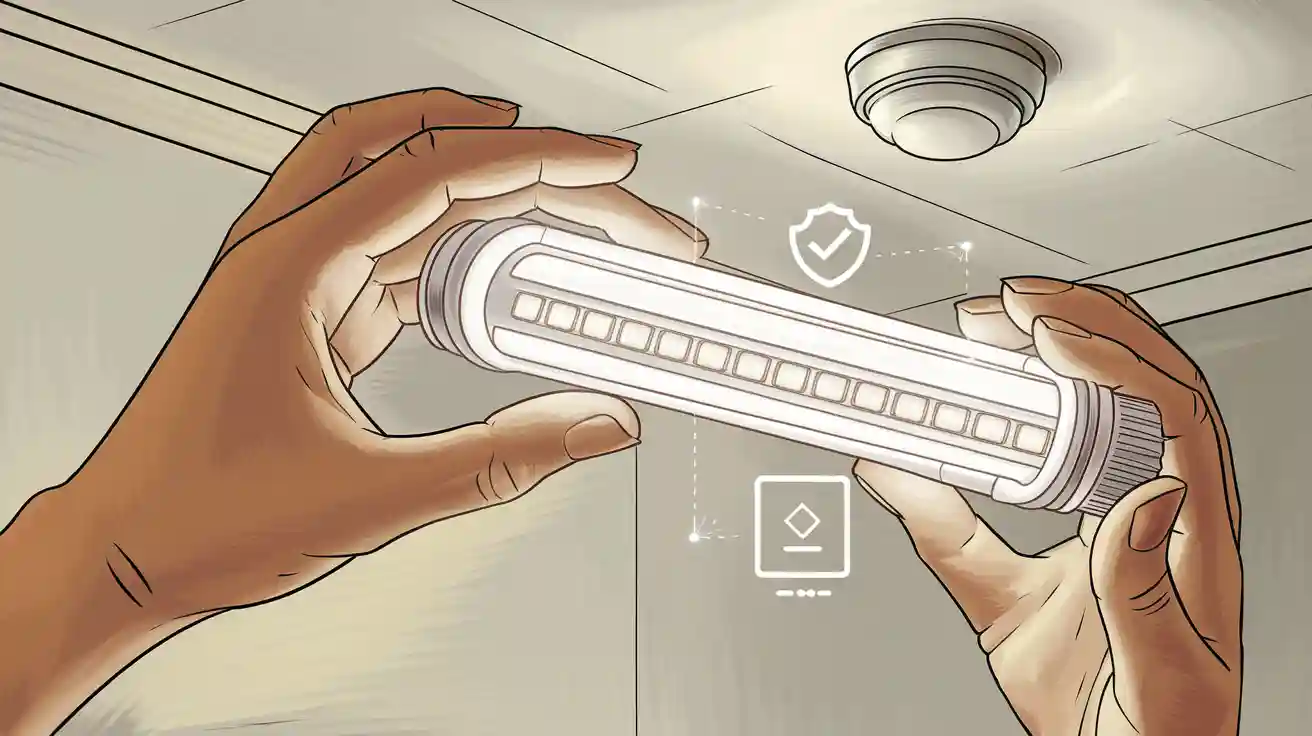
You want lights that keep your area safe and help your health. LED tube lights do this well. They use safe materials and have no mercury, so you stay away from dangerous stuff. LED lights are also safe because of how they are made. Their design lowers the chance of fire and stops UV rays. You can count on LED technology for bright, strong, and safe light.
Key Takeaways
- LED tube lights are safe. They do not have harmful materials like mercury. This makes them better for your health. They are also better for the environment.
- These lights make very little UV rays. This lowers risks to your skin and eyes. It is important in places like homes and schools.
- LED tube lights stay cooler when used. This lowers the chance of fire and burns. They are safer than old bulbs.
- Picking certified LED tube lights is smart. It makes sure they are safe and good quality. This helps you stay away from dangers.
- Taking care of LED tube lights is important. Installing them the right way helps too. This makes them last longer and keeps your space bright and safe.
Safety of LED Tube Lights
LED tube lights help keep you safe and healthy. They use new technology and smart design. This lowers risks that come with older lights. Here are the main reasons why LED tube lights are a safe choice for homes, schools, and businesses.
Non-Toxic Materials
You want lights that do not have harmful stuff. LED tube lights do this. Fluorescent tubes have mercury and other toxic things. LED tube lights do not have mercury. They use safe parts that can be recycled. Here is how the materials are different:
LED tube lights have no mercury or other toxic stuff.
Fluorescent tubes have mercury, which can hurt people and the planet.
If a fluorescent tube breaks, you need special cleanup because of mercury.
LED tube lights use recycled parts and are easy to throw away.
Tip: Using LED tube lights helps stop mercury pollution. This keeps your family, kids, and pets safe.
No Mercury or UV Emission
You need lights that do not give off hidden dangers. LED tube lights do not make ultraviolet (UV) rays. They do not have mercury. This makes them good for places like hospitals, schools, and homes. The way LEDs work means they only make visible light. UV rays from LEDs are very low.
Most LED bulbs do not make UV rays, so they are safe for eyes and skin.
New LED designs use coatings to make white light and lower UV rays.
CFLs have mercury, but LED tube lights do not, so they are safer.
LED safety rules show LEDs are best for places where health matters.
|
Aspect |
LED Tube Lights |
Fluorescent Lights |
|---|---|---|
|
Mercury Content |
Mercury-free |
Contains mercury |
|
Risk of Toxic Exposure |
Low (no risk from breakage) |
High (risk from breakage/disposal) |
|
Impact on Vulnerable Populations |
Safer for families, especially children |
Higher risk for children and fetuses |
|
CO2 Emissions |
Significant reduction |
Higher emissions due to energy use |
|
Total Mercury Avoidance |
Prevents 16,000 pounds of mercury from being sold |
Contributes to mercury pollution |
Lower Fire and Breakage Risk
You want lights that do not cause fires or injuries. LED tube lights work at cooler temperatures than old bulbs. They are cool to touch and less likely to burn or start fires. Their safety comes from good design and strong materials.
LED lights stay cool, so fire risk is lower.
They have safety features to stop electrical problems.
Problems with LED lights happen if they are poor quality or installed wrong. Always pick certified LED tube lights and follow instructions.
LED tube lights use tough materials like plastic or glass that do not break easily.
|
Type of Tube |
Breakage Risk |
Injury Risk |
Additional Features |
|---|---|---|---|
|
Glass |
Lower |
Lower |
Shatter protection |
|
Plastic |
Higher |
Higher |
None |
Note: Install LED tube lights the right way and check them often to keep them safe.
Why LED Tube Lights Are Safer Than Fluorescent Tubes
LED tube lights are safer because they do not have the dangers of old fluorescent tubes. LED tube lights do not make harmful UV rays or have toxic mercury. They stay cool, use less energy, and last longer. This means you change them less and have fewer risks when fixing them. Safety groups say LED tube lights are best for homes, schools, and work because they protect people and the planet.
LED tube lights do not have dangerous things like mercury.
LEDs stay cool and make less heat, so fire and poison risks are lower.
LED lights are a smart pick for families, especially with kids or pets.
Picking LED tube lights means you choose safety and help the planet.
Studies show accidents go down by 60% with bright LED lights. You can see dangers better and avoid getting hurt when fixing things.
For more about LED safety and health, check the U.S. Environmental Protection Agency and the Illuminating Engineering Society. [Annotations: trusted sources needed for facts about safety, fire risk, and how LEDs are made.]
Eye Health and Blue Light
You want to keep your eyes healthy. You might worry about how led tube lights affect your eyes. Many people are concerned about blue light and eye health. Knowing about led lighting helps you make good choices at home or work.
Blue Light Exposure
Blue light is part of the light we see. All lights, even led tube lights, make some blue light. Led tube lights usually give off more blue light than most fluorescent bulbs. The amount of blue light depends on how the led is made and its color temperature. Cooler lights, like "daylight" or "cool white," have more blue light than warmer ones.
LEDs often give off more blue light than fluorescent bulbs.
The blue light amount changes with the design and color temperature.
You may wonder if blue light can hurt your eyes. Research says that for most healthy people, normal use of led tube lights does not harm vision. The Scientific Committee on Health, Environmental and Emerging Risks (SCHEER) found no risk in normal use. But some people-like kids, older adults, and those with eye problems-may have higher risks from lots of blue light over time.
|
Evidence Summary |
Details |
|---|---|
|
General Population Risk |
No proof of direct harm from LEDs in normal use. |
|
Vulnerable Groups |
Possible risks for kids, teens, and older people. |
|
Long-term Exposure |
More research is needed on long-term effects of LED light. |
|
Retinal Risk |
Current data shows no risk to the retina from normal LED use. |
|
Biological Effects |
Blue light can change sleep and alertness. |
|
Cumulative Exposure |
We do not know the effects of long-term blue light yet. |
Blue light can also change your sleep cycle. Bright led light at night may make it hard to sleep. You can help your eyes by picking warmer lights and using less bright led light at night.
Tip: Pick led tube lights with color temperature under 4000K for rooms you use a lot. This lowers blue light and helps your eyes stay healthy.
Digital Eye Strain
Digital eye strain is common today. You might feel tired eyes, headaches, blurry vision, dry eyes, or neck pain after being under led tube lights or using screens. Studies say about 65% of people have digital eye strain. It happens more in females than males.
Tired eyes, headaches, and blurry vision are common.
Outside signs are burning, irritation, tearing, and dryness.
Inside signs are strain, ache, and headache behind the eyes.
Many people get these symptoms often when using computers, showing digital eye strain is common.
You can do things to lower digital eye strain and keep your eyes healthy:
Put led tube lights so they do not shine on screens.
Use soft lighting to make your workspace gentle on your eyes.
Add desk lamps you can move to put light where you need it.
Use diffusers to spread light and stop harsh shadows.
Use blinds or curtains to control sunlight and cut glare.
Note: Take breaks from screens and blink often to keep your eyes healthy and lower discomfort from blue light.
Blue light from led tube lights can also affect your sleep. Using less bright led light at night helps you sleep better and stay healthy. If you worry about your eyes, talk to an eye doctor for advice that fits you.
When you know how led lights affect your eyes, you can make smart choices to keep your eyes safe and healthy.
Comparing the Safety of LED Lighting
LED Tube Lights vs. Fluorescent Tubes
When you look at led tube lights and fluorescent tubes, led tube lights are safer. Led tube lights do not have mercury, so you avoid dangerous chemicals. If a fluorescent tube breaks, it lets out harmful gases and needs special cleaning. Led tube lights work at cooler temperatures, so burns and fires are less likely. Fluorescent tubes give off some UV rays, but led tube lights make much less UV.
Led tube lights have no mercury or other harmful materials.
Fluorescent tubes can break and let out dangerous gases.
Led tube lights stay cool, so fire and burn risks are lower.
Fluorescent tubes make UV rays; led tube lights make very little.
Led tube lights use energy better. They turn almost 90% of their energy into light. Fluorescent lights turn about 85% into light. This means you save more energy and money with led tube lights. Led tube lights last much longer, so you do not need to change them often.
|
Category |
LED |
Fluorescent |
Winner |
|---|---|---|---|
|
Lifespan |
25,000-50,000 h |
7,000-15,000 h |
LED |
Led tube lights help you use less energy and need less fixing. They turn on right away and do not flicker. Fluorescent tubes need time to get bright.
Tip: Pick led tube lights for safer, longer-lasting, and more energy-saving light in your home or business.
LED Tube Lights vs. Other Bulbs
You might wonder how led tube lights compare to incandescent and halogen bulbs. Led tube lights stay cooler, so you do not get burned and fire risks are lower. Led tube lights are made of plastic, so they are stronger and do not break easily.
Halogen bulbs make 90% of their energy as heat, so fire risks are higher.
Led tube lights make only 10% of their energy as heat, so they are safer.
Halogen bulbs get very hot and can burn you if you touch them.
|
Bulb Type |
Heat Output |
Fire Hazard Risk |
Durability |
|---|---|---|---|
|
Incandescent |
High |
High |
Low (glass) |
|
Halogen |
High |
High |
Low (glass) |
|
LED |
Low |
Low |
High (plastic) |
Led tube lights are better for the planet. They do not have mercury, so you can throw them away safely. Incandescent and halogen bulbs get very hot and break easily, which can hurt people. Led tube lights use less energy and last longer, so you keep your family and the earth safe.
Note: Led tube lights give you safer, stronger, and more energy-saving light for any room.
Safe LED Lighting Applications
You want your lights to be safe and work well. If you pick, set up, and take care of LED tube lights the right way, you lower risks. You also get the best light. Here are some steps for safe led lighting at home, school, or work.
Choosing Certified Products
You should always pick LED tube lights with certifications. These show the product is safe and good quality. When you see these marks, you know the led light passed important tests.
UL means the product follows strict safety rules.
ETL shows Intertek checked the product for safety.
FCC proves the led light meets U.S. electrical safety rules.
CSA checks for safety in North America.
CE is needed in Europe for safety.
RoHS limits dangerous stuff in the led.
BIS is needed in India.
EAC is needed in the Eurasian Customs Union.
Tip: Always look for these marks on the box or label before you buy. Certified products help you avoid hidden dangers.
Installation and Usage Tips
Putting in your led tube lights the right way keeps them safe and working longer. You need to follow some steps to avoid mistakes and stay safe.
Check local rules to make sure your setup is allowed.
Turn off the power at the breaker before you start. Use a tester to check there is no power.
Use tools with insulation to protect yourself from shocks.
Some mistakes can cause problems. Watch out for:
Wrong wiring or mixing up wires
Loose or bad connections
Using lamp holders that do not fit
Skipping safety steps
Note: If you are not sure, ask an electrician for help. This can stop accidents and keep your led light working well.
Maintenance for Safety
Taking care of your led tube lights keeps them bright and safe. You should do a few easy things to avoid trouble.
Check all led lights and change any that flicker or get dim.
Look for loose or broken wires to stop power or fire risks.
Clean covers and fixtures to keep the light bright.
Make sure fixtures stay straight for even light.
Test emergency lights and backup systems often.
Check LED drivers and connections.
Watch for heat to stop overheating.
At home, check your led tube lights every six months. At work or in factories, check them every three months. Regular checks help you find problems early and keep your lights safe.
Callout: Good care and the right steps help your led tube lights last longer and keep your space safe.
LED tube lights are a safe way to light up rooms. They do not have toxic materials. This means they are better for your health. If you pick certified LED tube lights, you lower risks even more. Following safety rules helps keep you safe.
LED tube lights do not have dangerous stuff. They also make fixing and changing bulbs safer.
Bright LED tube lights help homes and workplaces stay safe.
Pick LED tube lights for strong, long-lasting light. They help keep you healthy and make your space safer.
FAQ
Why should you choose LED tube lights over traditional fluorescent tubes?
LED tube lights do not have mercury. They lower fire risk and last longer. These lights use less energy. They give safer and brighter light for homes or businesses.
Why do LED tube lights not pose a fire hazard?
LED tube lights work at cooler temperatures than other bulbs. This design stops overheating and lowers fire risk. You get safe lighting without burns or electrical problems.
Why are LED tube lights better for eye health?
LED tube lights make very little UV radiation. You can pick warmer color temperatures. This helps your eyes feel less tired and more comfortable. You can read, work, or relax easily.
Why do LED tube lights help protect the environment?
LED tube lights do not have toxic materials like mercury. You can recycle them without trouble. They save energy and help lower your carbon footprint.
Why is certification important when buying LED tube lights?
Certification shows LED tube lights meet safety and quality rules. You avoid electrical problems and bad performance. Always look for marks like UL, ETL, or CE for safe lighting.
Send Inquiry