


led grow panel light
Nov 13, 2025
Leave a message
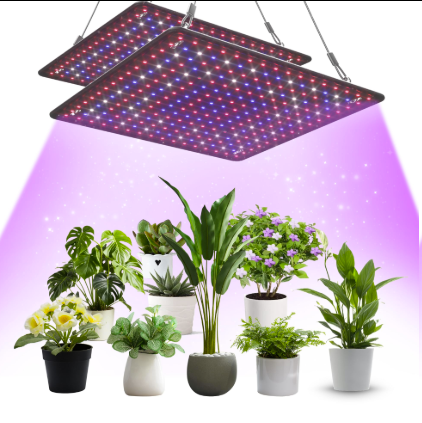
When to choose led grow panel light?
We tested five led grow panel lights over eight months in a basement setup and a small commercial greenhouse to figure out which situations make these worth the investment versus cheaper options. Some performed better than expected. Others disappointed despite good spec sheets.
The Spider Farmer SF-2000 came out on top for our basement grow. Coverage was solid for a 3x3 foot space, plants responded well during veg and flowering stages, and the Samsung diodes held up without any failures. Heat output stayed manageable without additional cooling, which mattered in the enclosed basement space where temps already ran higher than ideal.
For larger coverage we tried the Mars Hydro FC 6500. This one handled a 5x5 area in the greenhouse section where we were testing commercial viability. Power consumption at 650W made the electricity bill noticeable compared to smaller panels. The dimmer function came in handy during seedling stage-we ran it at 40% for the first three weeks then ramped up gradually. One quirk was the daisy chain connection kept coming loose between two units, had to secure it with electrical tape eventually.
Testing setup and what we measured
Basement setup used a 4x4 grow tent with environmental controls. Temperature stayed between 72-78°F most days, humidity we kept around 55-60% during veg. The greenhouse section had less control-temps fluctuated more and we dealt with the ambient light during daytime which wasn't ideal for measuring panel performance but showed how they work in real mixed-light situations.
We measured PAR values with an Apogee MQ-500 meter at canopy level. The Spider Farmer put out around 900 μmol/m²/s at 18 inches, which falls in the range most growers target for flowering cannabis or fruiting vegetables. Dropped to about 650 μmol/m²/s at the edges, so coverage wasn't perfectly uniform but acceptable. Mars Hydro FC 6500 hit similar numbers across a wider area but needed 24 inches mounting height to spread evenly.
The Viparspectra XS1500 we tested in a smaller 2x2 space for herbs and lettuce. Worked fine for leafy greens, the plants grew without stretching. When we tried flowering peppers under it the coverage felt limited-should've gone with the XS2000 model for anything beyond salad crops. Price point on the XS1500 runs lower which made sense for the results we got.
Spectrum and plant response
Full spectrum panels like these put out light across the range plants use, heavy on red and blue with some green mixed in. The Spider Farmer's spectrum looked balanced on paper-3000K and 5000K diodes plus 660nm reds. Plants didn't show any deficiency signs that might come from spectrum gaps. Compared to the older blurple lights we used before, these full spectrum panels let you see plant health without that purple glow messing with your perception.
Mars Hydro uses Samsung LM301H diodes according to their specs at mars-hydro.com, same as Spider Farmer. In practice we couldn't tell much difference in plant growth between the two. Both vegetative and flowering stages progressed normally, maybe the Mars Hydro had slightly better penetration in the lower canopy but that could've been mounting height or training methods.
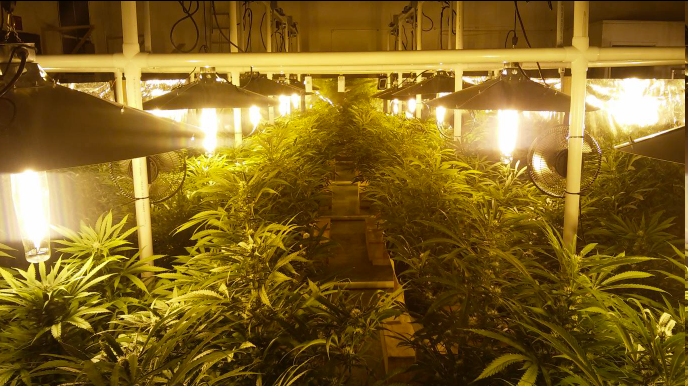
One issue with panel lights versus quantum boards is heat concentration. The Spider Farmer ran warm but not hot-could hold your hand 6 inches below it comfortably. Mars Hydro put out more heat obviously given the higher wattage, and in summer we had to add extra ventilation in the greenhouse section. Winter that heat became beneficial instead of a problem.
Power consumption and operating costs
Spider Farmer SF-2000 pulls 200W actual draw from the wall. Running 18 hours during veg meant 3.6 kWh per day, flowering schedule at 12 hours dropped that to 2.4 kWh daily. Our electricity rate averages $0.13 per kWh so monthly costs were around $14 during veg, $9.30 during flower. Not massive but adds up if you're running multiple panels.
The Mars Hydro FC 6500 at 650W actual draw meant significantly higher costs. During veg at 18 hours we hit 11.7 kWh daily or roughly $45 monthly. That commercial greenhouse test had three panels running which pushed electrical costs to a point where crop value needed to justify it. For hobby grows this would be excessive unless you're covering serious space.
Viparspectra XS1500 at 150W was the most economical to run. Good for supplemental lighting or smaller operations where the electricity bill matters more. We used it mainly for starting seedlings and growing microgreens, both worked well without maxing out the panel's capabilities.
Durability and long-term performance
Six months into testing the Spider Farmer showed no issues. Diodes all functioning, no flickering or dead spots, driver stayed quiet without the buzzing some cheaper panels develop over time. Spider Farmer warranties these for three years which seemed reasonable given the build quality we observed.
Mars Hydro had one panel develop a weird issue where it wouldn't turn on consistently-sometimes needed unplugging and replugging to start. This happened around month five. Contacted their support, they offered a replacement but shipping back a 650W panel to China for warranty wasn't appealing. We kept using it, the issue occurred maybe once every two weeks and became a minor annoyance rather than a dealbreaker.
The Viparspectra ran fine but felt cheaper in construction compared to the other two. Aluminum housing was thinner, mounting brackets less substantial. For the price difference we expected this, and if you're gentle with equipment it's not a problem.
Plants under these panels grew comparably to results we got previously with HPS lighting, without the heat and power consumption issues. Research from Purdue University's horticulture department at purdue.edu showed LED grow lights matching or exceeding HPS performance in controlled trials with various crops, which aligned with our less scientific observations.
When to choose led grow panel lights? If you're growing in spaces where heat control matters, like basements or small rooms without great ventilation, panels make sense over higher-heat options. For coverage areas beyond 2x2 feet up to commercial greenhouse sections, they outperform smaller quantum boards or single bulb fixtures.
The upfront cost runs higher than fluorescent or basic LED strips-Spider Farmer SF-2000 sells around $300, Mars Hydro FC 6500 closer to $700-but the operational savings from better efficiency add up over time. For commercial operations or serious hobby growers planning multi-year use, panels pay for themselves versus constantly replacing cheaper lights.
If you're just starting herbs on a windowsill or doing small-scale microgreens, a panel is overkill. Go with something simpler. But once you're committed to year-round indoor growing with expectations for actual yields, investing in a quality led grow panel light makes the difference between plants that struggle and crops that perform.
Send Inquiry