


Tomb Sweeping Day
Apr 05, 2022
Leave a message
Qingming Festival, also called Tomb Sweeping Day, is the second of the 24 solar terms on the traditional Chinese solar calendar.
In Chinese, Qingming (清明) means 'clearness' and 'brightness'. The origin of the name was related to climate and nature in this season. At the beginning of April, it becomes noticeably warmer and brighter, and nature is waking up in northern/central China (this happens earlier in south China). People start to wear light cloths and walk outside to feel the growth in spring.
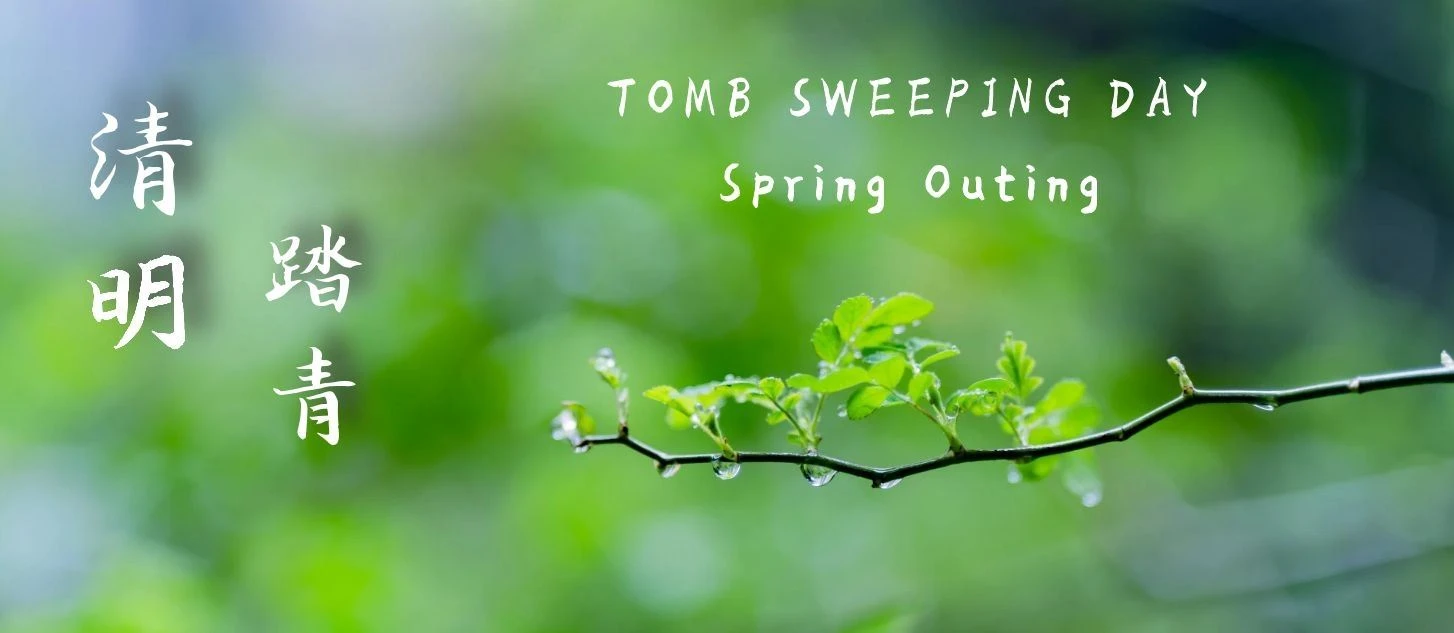
At the same time, it is also a traditional Chinese festival and an important day for most people (including the Han Chinese and some of China's 55 other ethnic minorities) to go and sweep tombs and commemorate their ancestors. On this day, tomb sweeping is one of the most important and popular activities to show respect to ancestors. The day before Tomb Sweeping Day was the traditional Chinese Cold Food Day. As time passed, the two festivals were gradually combined into one. On the day of the Cold Food Festival, people used no fire and only ate cold food. Now people in some places still have the custom of eating cold food on Qingming Festival.
Tomb-sweeping, ancestor worship and green outing are the two major ritual themes of Qingming Festival. These two traditional ritual themes have been handed down in China since ancient times, and they have not stopped since then. People usually carry out activities such as sweeping graves, outings, flying kites, and planting willows before and after the festival to celebrate the festival.
Send Inquiry