


How To Install Round Led Panel Light?
Sep 03, 2025
Leave a message
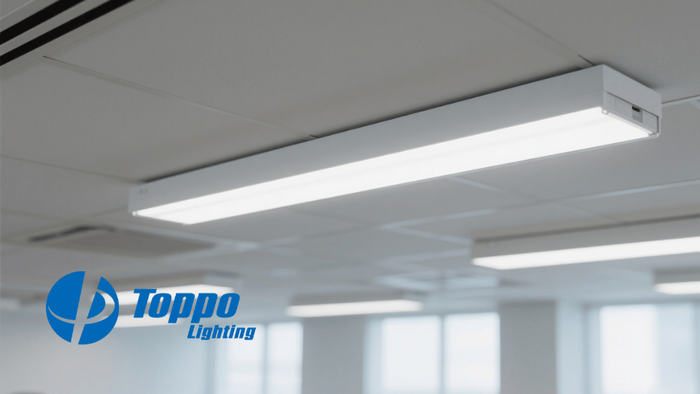
Installing a round led panel light can be straightforward when you follow clear steps. You gain control over your home's lighting and improve energy efficiency. Always switch off the power before starting to protect yourself from electrical hazards. Choose the right tools and check your workspace for safety. Many DIY enthusiasts find this project rewarding and manageable.
Key Takeaways
- Always turn off the power at the breaker before starting installation. This step prevents electrical shock and ensures safety.
- Use the right tools, such as a measuring tape, screwdriver set, and voltage tester, to make the installation process smooth and efficient.
- Choose certified LED panel lights to ensure safety and performance. Certifications like UL and Energy Star guarantee quality and energy efficiency.
- Regularly clean and inspect your LED panel lights to maintain brightness and extend their lifespan. A cleaning schedule every three to six months is recommended.
- Select between recessed and surface mounting based on your aesthetic preference and installation ease. Each method has its own advantages.
Tools for led panel light

Basic tools
You need the right tools to install a round led panel light safely and efficiently. Manufacturers recommend several essential items for a smooth installation process. Here is a list of basic tools you should prepare:
- Measuring tape: Measure the installation area for accurate placement.
- Pencil or marker: Mark the positions for cutting and mounting.
- Screwdriver set: Remove old fixtures and secure the new led panel light.
- Wire strippers: Remove insulation from wires for proper connections.
- Wire connectors: Join electrical wires securely.
- Drill: Create openings in the ceiling or wall for mounting.
- Level: Ensure the led panel light sits straight and even.
- Voltage tester: Confirm the power supply is off before you begin.
- Ladder or step stool: Reach the installation area safely.
Tip: Using a voltage tester before you start helps prevent electrical accidents. Always double-check the power status.
Each tool offers specific advantages. For example, a drill with adjustable speed works well for different ceiling materials. A high-quality screwdriver set reduces the risk of stripping screws. You should select tools that match your skill level and the complexity of your installation area.
Materials needed
Choosing the right materials ensures your led panel light stays secure and lasts longer. The table below compares common materials used for installation:
|
Material |
Properties |
|---|---|
|
#6063 Aluminum |
Durable, resistant to wear and tear |
|
PMMA Plastic |
Corrosion-resistant, impact-resistant |
You often find #6063 aluminum in mounting frames because it resists bending and supports the weight of the led panel light. PMMA plastic works well for diffusers, offering clarity and strength. Both materials help maintain the fixture's integrity over time.
For most home installations, you should check the specifications of your led panel light. The table below shows typical values:
|
Specification |
Value |
|---|---|
|
Wattage |
9W - 12W |
|
Voltage |
120V |
|
Lumens |
500 lm - 700 lm |
|
Color Temp. |
2700K - 5000K |
|
Dimmable |
Triac/ELV |
|
CRI |
90+ |
Select a led panel light that matches your room size and lighting needs. For kitchens and bathrooms, a 9W to 12W panel provides bright, efficient illumination. You benefit from energy savings and a modern look.
Safety for install led panel light

Power off steps
You must always turn off the power at the breaker before you begin any installation. This step protects you from electrical shock and prevents damage to your home's wiring. Use a voltage tester to confirm that the circuit is inactive. Many accidents happen when people skip this step, so you should never rely on just flipping the wall switch. The breaker disconnects the electrical flow completely, making the workspace safe.
Tip: Double-check the power status with a voltage tester before touching any wires. This simple action can prevent serious injuries.
Protective gear
Wearing protective gear keeps you safe during installation. You should use insulated gloves to avoid electrical contact. Safety goggles protect your eyes from dust and debris, especially when drilling or cutting. A sturdy ladder provides stability and reduces the risk of falls. You also benefit from wearing long sleeves and closed-toe shoes, which shield your skin from sharp objects and accidental contact with wires.
Check installation spot
Before you install the led panel light, inspect the installation spot carefully. Look for hidden wires, pipes, or obstacles in the ceiling or wall. You can use a stud finder or wire detector to scan the area. This step prevents accidental damage to your home's infrastructure and ensures a secure fit for the fixture. If you find any unexpected wiring or obstructions, choose another location or consult a professional.
When you select a round LED panel light, check for safety certifications. These certifications guarantee product reliability and compliance with industry standards:
- UL Certification: Ensures safety and suitability for various conditions, including outdoor use.
- DLC Certification: Focuses on performance and energy efficiency standards.
- ETL Certification: Indicates compliance with safety standards in hazardous locations.
- RoHS Compliance: Limits hazardous materials to protect the environment.
Energy Star Certification: Verifies energy efficiency and helps save money.
Choosing certified products reduces risks and provides peace of mind. You invest in quality and safety for your home.
How to install led panel lights
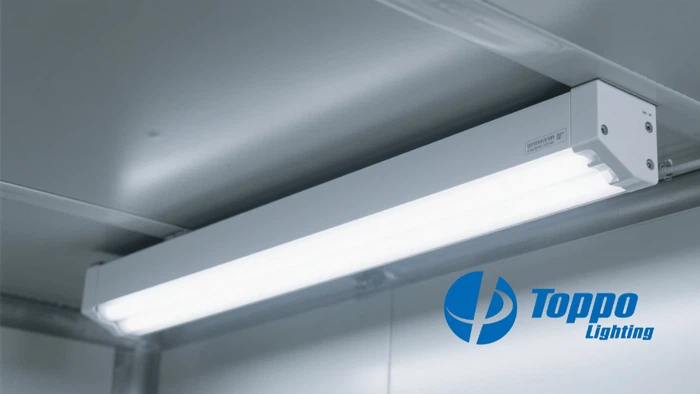
Mark location
You start by marking the exact spot for your led panel light. Use a measuring tape to find the center of the area you want to illuminate. Draw a circle with a pencil or marker that matches the diameter of your fixture. This step ensures your installation looks professional and symmetrical. If you plan to use recessed mounting, outline the cutout area on the ceiling. For surface mounting, mark the screw positions for the bracket or base.
Tip: Double-check your measurements before you cut or drill. Accurate marking prevents costly mistakes and saves time during installation.
Wiring steps
Proper wiring is essential for safe and reliable operation. Follow these steps to connect your led panel light to the power supply:
- Gather all necessary tools and materials. Turn off the power at the circuit breaker.
- Use insulated tools and ensure your workspace is dry and well-lit.
- Connect the input wires from your home's electrical system to the LED driver. Secure each connection with wire connectors.
- Attach the output wires from the driver to the led panel light. Match the polarity and confirm tight connections.
- Double-check all wiring. Mount the driver in a safe location if required.
- Restore power briefly to test the fixture. If the light does not turn on, check for loose wires or incorrect connections.
- Inspect the area for any leftover debris and clean up your workspace.
Loose wiring or improper connections can cause flickering or failure. Always use the correct driver for your panel to avoid performance issues. If you notice voltage drops or inconsistent lighting, check the wire size and run length.
Mounting options
You can choose between recessed and surface mounting methods for your led panel light. Each method offers unique advantages and suits different installation scenarios. The table below compares both options:
|
Mounting Type |
Advantages |
Disadvantages |
|---|---|---|
|
Recessed Mounting |
- Creates a visually clean aesthetic |
- Complex installation requiring precise cuts |
|
- Light can be directed to specific areas |
- Poor heat dissipation due to enclosure |
|
|
- Safe with no exposed parts |
- Difficult maintenance due to hidden fixtures |
|
|
- Easy to clean as it prevents dust accumulation |
- Higher cost due to professional installation and materials |
|
|
Surface Mounting |
- Easy installation directly onto existing surfaces |
- Less aesthetically pleasing compared to recessed mounting |
|
- Flexible positioning and movement |
- Can create visual clutter in some designs |
|
|
- Easy maintenance with exposed lamps |
- Potential glare from luminous surfaces |
|
|
- Better heat dissipation ensuring longevity |
N/A |
If you want a sleek, modern look, recessed mounting is ideal. You achieve a flush finish and minimize dust buildup. However, this method requires precise cutting and may need professional help. Surface mounting works well for quick installations and allows easy access for maintenance. You benefit from better heat dissipation and flexible placement, making it suitable for most DIY projects.
Test and check
After you install your led panel light, you need to test its operation. Follow these best practices to ensure everything works correctly:
- Press the test button on the fixture, if available, to simulate a power outage and check illumination.
- Observe the response time. The light should activate immediately, showing reliable backup power.
- Conduct a visual inspection. Look for physical damage, loose wires, or obstructions around the fixture.
- If your panel includes a battery backup, perform a battery discharge test to confirm it sustains illumination for the required duration.
Note: Common mistakes during installation include improper connections, loose wiring, and using the wrong driver. These issues can lead to flickering, failure, or reduced performance. Always verify your work before finishing the project.
You now know how to install led panel lights with confidence. Whether you choose recessed or surface mounting, you gain control over your lighting and enjoy the benefits of energy-efficient illumination. Careful planning and attention to detail ensure a successful installation and long-lasting performance.
Troubleshooting led panel light

Common issues
You may encounter several issues after you install a round LED panel light. Flickering, dimming, or complete failure often frustrate homeowners. The most frequent causes of early failure relate to improper installation or environmental factors. The table below summarizes the main reasons:
|
Reason for Failure |
Description |
|---|---|
|
Overdriving LEDs |
Supplying too much current increases heat and degrades components. |
|
Thermal Issues |
Poor heat removal causes heat buildup, reducing reliability and lifespan. |
|
Exposure to Harsh Environmental Conditions |
Extreme temperatures or humidity accelerate degradation. |
|
Quality of LED Components |
Low-quality materials shorten durability and lifespan. |
|
Voltage Issues |
Spikes or drops in voltage damage components and cause early failure. |
You should always check for these issues during and after installation. Proper installation helps prevent most of these problems.
Quick fixes
You can resolve many LED panel light issues with a few simple steps. Experts recommend the following troubleshooting process:
- Inspect the light bulbs for visible damage and replace them if needed.
- Ensure the LED bulbs match the fixture and any dimmer switches.
- Check that your dimmer switch is labeled as LED-compatible.
- Tighten loose bulbs and electrical connections.
- Examine fixtures and switches for signs of damage.
- Inspect the circuit breaker for tripped switches.
Tip: Use dimmable LED bulbs designed for dimmer switches to avoid flickering. Make sure your power supply meets the wattage requirements of your lighting setup.
You may also want to check for loose connections at the bulb socket or consider a dedicated circuit for large appliances. These quick fixes often restore normal operation and extend the life of your installation.
When to call a pro
Some problems require professional help. If you notice persistent flickering after you install the panel, or if you see signs of electrical damage, contact a licensed electrician. You should also seek help if you find damaged wiring, repeated breaker trips, or if your installation involves complex wiring. Professional support ensures safety and protects your investment.
Note: Professional installation and troubleshooting reduce the risk of long-term damage and help you enjoy reliable lighting for years.
Maintenance tips

Cleaning
You keep your round LED panel lights shining bright and efficient by following a regular cleaning routine. Manufacturers recommend cleaning every three to six months, but in dusty or high-traffic areas, you may need to clean more often. Regular cleaning prevents dust buildup, which can reduce brightness and shorten the lifespan of your fixture.
To clean your LED panel lights safely and effectively, follow these steps:
- Turn off the power at the breaker before you begin.
- Gather a soft microfiber cloth, a gentle cleaning solution (such as diluted dish soap), and a dry cloth.
- If your panel is detachable, remove it according to the manufacturer's instructions.
- Use the dry microfiber cloth to wipe away dust and loose debris.
- Dampen the cloth with the cleaning solution-avoid soaking it to prevent moisture from reaching electrical parts.
- Gently wipe the panel in a circular motion to remove smudges and dirt.
- Dry the panel thoroughly with a clean cloth.
- Reattach the panel and restore power to test its function.
Tip: Never use abrasive tools or harsh chemicals. Always clean with the power off to avoid electric shock.
A consistent cleaning schedule helps maintain optimal performance and extends the life of your LED panel lights. The chart below shows a sample maintenance schedule for typical environments:
|
Environment |
Cleaning Frequency |
Notes |
|---|---|---|
|
Home/Office |
Every 3-6 months |
Increase if dusty |
|
Kitchen/Bathroom |
Every 2-3 months |
More frequent due to grease |
|
Commercial Spaces |
Monthly |
High traffic, more dust |
Regular checks
Routine inspections ensure your LED panel lights remain safe and efficient after installation. You should check your fixtures at least twice a year. During each inspection, look for signs of wear, loose wiring, or dimming lights. Addressing small issues early prevents costly repairs and keeps your lighting system reliable.
Follow this checklist for regular maintenance:
- Inspect all lights and replace any that flicker or dim.
- Check wiring and connections for damage or looseness.
- Clean lenses and fixtures to maintain brightness.
- Confirm that fixtures remain properly aligned for even coverage.
- Test emergency lighting and backup systems to ensure they work.
|
Benefit |
Description |
|---|---|
|
Energy Savings |
You reduce electricity bills over time. |
|
Reduced Maintenance |
Fewer replacements lower your long-term costs. |
|
Environmental Impact |
Energy-efficient lighting supports a greener environment. |
By maintaining your LED panel lights, you maximize their lifespan-often exceeding 50,000 hours of use. You also enjoy steady performance and lower energy costs. Regular maintenance protects your investment and ensures your installation continues to deliver value year after year.
Installing round LED panel lights is a straightforward process when you follow these key steps:
- Plan your layout for even lighting.
- Mount brackets securely.
- Connect wiring with care.
- Attach the panel and test the light.
- Adjust for the best look.
You benefit from up to 35,000 hours of bright, efficient lighting. LED panels save you money by using 75% less energy than incandescent bulbs and lasting much longer. They also help protect the environment because they contain no mercury and reduce waste. If you have questions or want to share your experience, reach out for support or leave feedback.
FAQ
Why should you choose a round LED panel light over traditional fixtures?
Round LED panel lights offer higher energy efficiency, longer lifespan, and a modern look. You save on electricity bills and reduce maintenance. These fixtures distribute light evenly, which improves comfort and visibility in your space.
Why is it important to turn off the power before installation?
Turning off the power protects you from electrical shock and prevents damage to your home's wiring. You ensure a safe installation environment and avoid costly mistakes. Always use a voltage tester to confirm the circuit is inactive.
Why do LED panel lights sometimes flicker after installation?
Flickering often results from loose wiring, incompatible dimmer switches, or voltage fluctuations. You can prevent this by following proper installation steps and using compatible components. Reliable wiring ensures stable performance and extends the fixture's lifespan.
Why does regular maintenance matter for LED panel lights?
Regular maintenance keeps your LED panel lights bright and efficient. You prevent dust buildup, which can reduce brightness and cause overheating. Scheduled cleaning and inspections help you avoid early failures and maximize your investment.
Why should you select certified LED panel lights?
Certified LED panel lights meet safety and performance standards. You gain peace of mind knowing your fixtures comply with industry regulations. Certifications like UL, DLC, and Energy Star guarantee quality, efficiency, and environmental responsibility.
Note: For more details, consult manufacturer manuals or visit trusted sources like the U.S. Department of Energy and Energy Star.
Send Inquiry