


How To Install Led Panel Light In Ceiling?
Sep 02, 2025
Leave a message
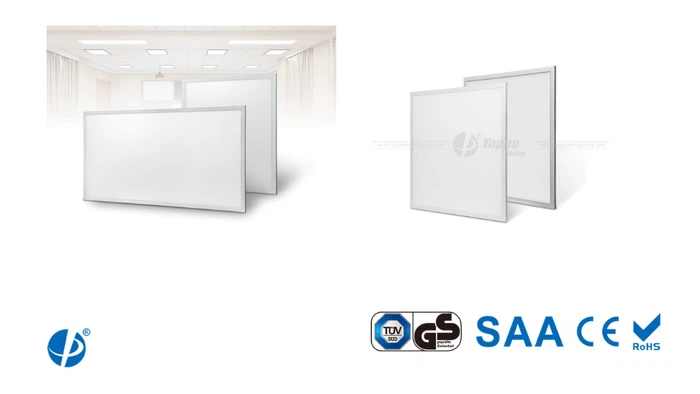
Installing a led panel light in your ceiling is a straightforward DIY project that you can complete with confidence. Homeowners report a 90% success rate on first-time installations, and most find the process takes about 15 to 30 minutes. You will enjoy impressive benefits:
LED ceiling lights use up to 90% less energy than traditional options.
Replacing older bulbs with LED panel lights can save you around $120 each year.
Choose this upgrade for modern style, energy savings, and reliable performance.
Key Takeaways
- Installing an LED panel light is a simple DIY project that takes about 15 to 30 minutes. Most homeowners succeed on their first try.
- LED lights use up to 90% less energy than traditional bulbs, potentially saving you around $120 each year on electricity bills.
- Always turn off the power at the circuit breaker before starting the installation. This step is crucial for your safety.
- Gather all necessary tools and materials before beginning. This preparation ensures a smooth and efficient installation process.
- Regular maintenance, like cleaning your LED panel light every few months, helps extend its lifespan and maintain optimal brightness.
Tools and Materials
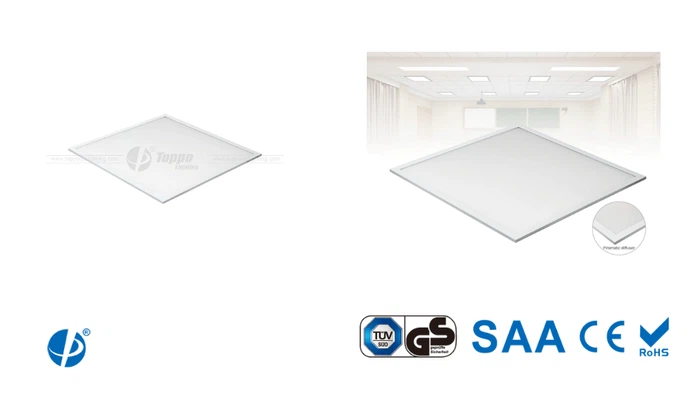
Before you start installing your LED panel light, you need to gather the right tools, materials, and accessories. Using the correct equipment ensures a safe and efficient installation process.
Tools
You should prepare the following tools for a smooth installation:
Measuring tape
- Pencil or marker
- Screwdriver set (Phillips and flathead)
- Wire strippers
- Wire connectors
- Drill with various bits
- Level
- Voltage tester
- Ladder or step stool
Tip: Always use a voltage tester before handling wires. This step helps you avoid electrical hazards.
Materials
Choose materials that offer durability and reliability. You will need:
- Wire cutters/stripper
- Electrical tape
- Mounting brackets (if not included with the fixture)
- Protective eyewear and gloves
- Flashlight or work light (optional)
- Helper (optional)
Mounting brackets made from stainless steel provide high strength and resist corrosion. Aluminum brackets are lightweight and easy to handle, but may bend under heavy loads. The table below compares common bracket materials:
|
Material |
Strength (MPa) |
Durability |
Corrosion Resistance |
|---|---|---|---|
|
Stainless Steel |
520 |
Excellent |
High |
|
Aluminum |
310 |
Good |
Moderate |
|
Plastic |
70 |
Fair |
Low |
Accessories
Enhance your installation and lighting experience with these optional accessories:
- Surface mount kit for 2'x2' or 2'x4' panels
- LED emergency driver (battery backup)
- Dimmer switch
- Motion sensors
- Wire guards
- Remote control
- Mounting clips
- Color tuning controller
- Occupancy sensors
- Frosted lens
- Cable suspension kit
A surface mount kit simplifies the process if your ceiling cannot accommodate recessed fixtures. Motion sensors and dimmer switches add convenience and energy savings. Wire guards and mounting clips improve safety and stability.
Selecting the right tools, materials, and accessories helps you achieve a professional result. You can tailor your setup to meet your needs and maximize the benefits of your new LED panel light.
Safety Precautions
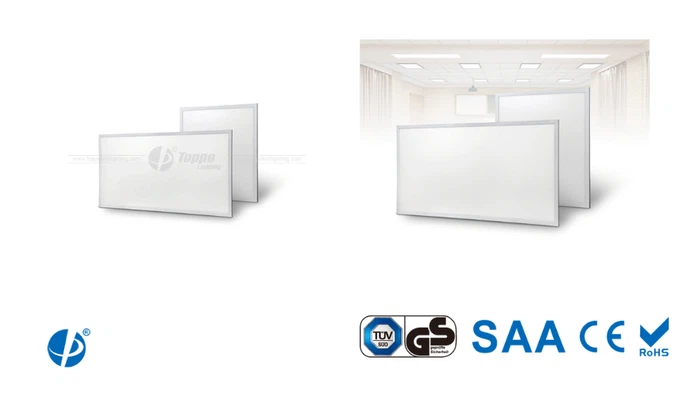
Before you begin the installation of your LED panel light, you must prioritize safety. Taking the right precautions protects you from electrical hazards and ensures a smooth process. Understanding why each step matters helps you avoid common mistakes and keeps your workspace secure.
Electrical Safety
Electrical safety forms the foundation of any ceiling lighting project. You reduce the risk of shock and fire by following these essential steps:
- Check state and local codes to ensure your installation meets all legal requirements. This step helps you avoid costly mistakes and ensures your home remains safe.
- Switch off the power at the circuit breaker before you touch any wiring. This action prevents accidental shocks.
- Use insulated tools with non-conductive handles. These tools protect you if you accidentally contact a live wire.
- Avoid overloading circuits. Distribute the electrical load to prevent overheating and fire hazards.
- Dispose of old bulbs according to local regulations. Proper disposal keeps your environment safe.
Note: Always follow the manufacturer's instructions and local building codes. The table below highlights key standards you should know:
|
Standard/Code |
Description |
|---|---|
|
IES Standards |
Guidelines for lighting design, including illuminance and color rendering. |
|
Local Building Codes |
Regulations for materials, fire safety, and accessibility. |
|
NFPA Guidelines |
Fire safety measures for material choice and installation methods. |
Workspace Prep
A well-prepared workspace makes your installation safer and more efficient. You minimize risks and work more confidently when you plan ahead.
- Make a plan for your layout and mark all drilling locations.
- Disconnect the power source and verify it is off before starting.
- Remove ceiling tiles if you have a drop ceiling.
- Prepare any suspension equipment if your setup requires it.
- Keep your tools organized and ensure your ladder is stable.
Tip: Enlist an assistant for heavy fixtures or complex steps. Two sets of hands improve safety and accuracy.
Protective Gear
Wearing the right protective gear shields you from injury during installation. You should always use:
- Insulated gloves to prevent electrical shock.
- Safety glasses to protect your eyes from debris.
- Hard hats for overhead work.
- Fall restraint devices and suitable anchors if you work at height.
You create a safer environment by following these guidelines. Each step reduces the chance of accidents and helps you complete your LED project with confidence.
LED Panel Light Installation Guide
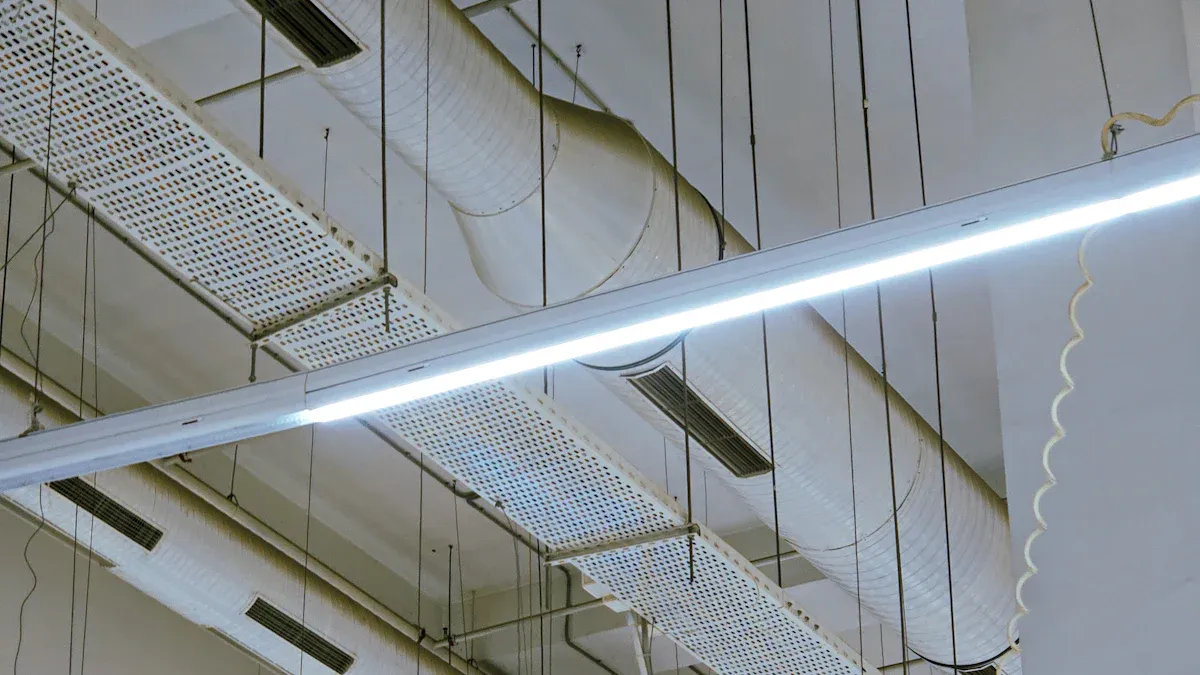
Image Source: pexels
Upgrading your ceiling with an LED panel light transforms your space with modern style, energy efficiency, and uniform illumination. This installation guide walks you through each step, ensuring you achieve professional results while maintaining safety.
Turn Off Power
Before you begin, always prioritize safety.
Turn off the power at your circuit breaker.
Use a voltage tester to confirm that no electricity is running to the area.
⚠️ Tip: Never skip this step. Even experienced electricians double-check for live wires before starting any installation.
Remove Old Fixture
You need to remove the existing ceiling fixture to make room for your new LED panel light.
Confirm the power is off using your voltage tester.
Unscrew the old fixture from the ceiling.
Carefully disconnect the wiring, noting the wire colors and their connections.
Set aside the old fixture and screws in case you need them later.
If your previous fixture used a different mounting system, keep the hardware for possible reuse.
Prepare Mounting Area
Proper preparation ensures a secure and visually appealing installation.
Choose a location that provides optimal lighting coverage and avoids obstructions like beams or vents.
Mark the mounting points using a level and measuring tape for precise alignment.
If your ceiling is a drop type, remove the necessary tiles.
Ensure the area is clean and free of dust or debris.
Always handle electrical components with care. If you feel unsure about any step, consult a licensed electrician.
Assemble Mount Kit
Most LED panel lights come with a surface mount kit.
Gather your tools, the LED panel, and the mount kit.
Follow the manufacturer's instructions to assemble the frame.
Double-check that all parts fit together securely.
Prepare the frame for attachment to the ceiling.
A well-assembled mount kit prevents sagging and ensures the panel sits flush with the ceiling.
Attach Frame
Secure the frame to the ceiling for a stable installation.
Hold the assembled frame against the ceiling at your marked points.
Use a drill and the provided screws to attach the frame firmly.
Check that the frame is level and does not wobble.
Using all provided screws increases stability, especially for larger panels.
Connect Wiring
Connecting the wiring correctly is crucial for safe operation.
Match the wires from your ceiling to the LED panel light driver:
Black (live) to black
White (neutral) to white
Green or bare copper (ground) to green
Use wire connectors to secure each connection.
Refer to the wiring diagram included with your LED panel light for clarity.
Wrap connections with electrical tape for added safety.
|
Wire Color |
Connection |
|---|---|
|
Black |
LIVE |
|
White |
NEUTRAL |
|
Green |
GROUND |
Always follow the wiring diagram provided by the manufacturer. If you are not familiar with wiring, seek help from a qualified electrician.
Install LED Panel Light
Now you can install the LED panel light into the mounted frame.
Lift the LED panel light and carefully position it within the frame.
Secure the panel using the provided clips or screws.
Make sure the panel sits flush and does not shift when touched.
For larger panels, ask a helper to assist with lifting and positioning.
Test Light
After installation, you need to test your new LED panel light.
Restore power at the circuit breaker.
Switch on the light and check for even illumination.
Inspect the panel for any physical damage or loose connections.
Adjust the panel if needed to ensure it sits straight and provides optimal lighting.
If the light does not turn on, double-check your wiring and connections. Refer to the troubleshooting section if issues persist.
LED panel lights offer significant advantages over traditional fixtures. You get brighter, more even light distribution, lower energy bills, and a sleek, modern look. In offices, kitchens, and commercial spaces, these panels reduce shadows and create a comfortable environment for work or relaxation. By following this installation guide, you ensure a safe and efficient upgrade that enhances both the function and appearance of your ceiling.
Troubleshooting and Maintenance
Common Issues
You may encounter several issues during or after installing your LED panel light. Addressing these problems quickly ensures reliable performance and safety. The table below highlights frequent installation challenges and their explanations:
|
Issue |
Explanation |
|---|---|
|
Voltage Issues |
Fluctuations can lead to premature burnout or flickering. Use stabilizers to protect lights. |
|
Flickering Lights |
Caused by incompatible dimmers or loose connections. Check wiring and dimmer compatibility. |
|
Loose Electrical Connections |
Can cause buzzing, flickering, or complete failure of lights. Ensure secure connections. |
|
Daisy-Chaining |
Connecting too many fixtures can lead to voltage drops, causing flickering and dim lighting. |
|
Wrong LED panel light Driver |
Mismatched drivers can cause flickering and inadequate power supply. Ensure compatibility. |
|
Complicated Circuitry |
Poorly set up systems can lead to flickering and overloads. Check for proper wiring and surges. |
You may also notice flickering lights, complete failure to illuminate, or inconsistent brightness. These symptoms often point to wiring or driver issues.
Maintenance Tips
Routine maintenance extends the lifespan of your ceiling-mounted LED panel light. Most residential LED panels last between 25,000 and 50,000 hours, which is much longer than traditional lighting options. You can maximize this lifespan by following these tips:
|
Maintenance Tip |
Description |
|---|---|
|
Keep Your Fixtures Clean |
Regular cleaning prevents dust accumulation, which can obstruct light output and cause overheating. |
|
Proper Installation and Mounting |
Ensures correct installation to prevent physical damage and stress on fixtures, promoting longevity. |
|
Maintaining Stable Operating Temperatures |
Prevents overheating and ensures optimal function by managing heat dissipation and ventilation. |
|
Manage Temperature Control |
Ensures adequate ventilation to prevent excessive heat buildup, which can harm LED panel light components. |
|
Check for Heat Dissipation |
Evaluates how effectively the fixture disperses heat, crucial for maintaining LED panel light lifespan. |
Tip: Clean your panel light every few months using a dry cloth. Avoid harsh chemicals that may damage the fixture.
Professional Help
You should seek professional assistance in certain situations. Complex electrical issues, such as persistent flickering or circuit overloads, often require expert troubleshooting. Attempting repairs on LED lights under warranty may void coverage, so professional help is advisable. Large-scale installations in commercial or industrial settings benefit from certified electricians who understand advanced circuitry and safety codes.
Call a professional if you face electrical problems beyond your expertise.
Contact the manufacturer or installer for warranty repairs.
Hire licensed electricians for commercial or multi-panel projects.
🛠️ Note: Professional help ensures safety, preserves warranties, and delivers long-term reliability for your lighting system.
You can install an LED panel light in your ceiling by following these essential steps:
Gather your tools and materials.
Turn off the power at your circuit breaker.
Prepare the mounting area.
Assemble the mount kit.
Attach the frame.
Connect the wiring.
Install the panel.
Restore power and test.
Enjoy the benefits of energy savings, better light quality, and less maintenance. Share your experience or reach out for help if you need support. Your new LED panel light delivers comfort and efficiency every day.
FAQ
Why should you choose LED panel lights for ceiling installation?
LED panel lights deliver superior energy efficiency and modern aesthetics. You reduce electricity costs and enjoy longer-lasting illumination. These fixtures provide uniform light distribution, which improves comfort in workspaces and living areas.
According to Energy Star, LED panel light can cut energy use by up to 90%.[1]
Why does your LED panel light flicker after installation?
Flickering often results from incompatible dimmer switches or loose wiring connections. You should check the wiring and ensure your dimmer supports LED panel light technology. Stable voltage supply also prevents flickering issues.
|
Cause |
Solution |
|---|---|
|
Incompatible dimmer |
Use LED-compatible dimmer |
|
Loose wiring |
Tighten connections |
Why is it important to turn off the power before installing an LED panel light?
Turning off the power protects you from electrical shock and fire hazards. You ensure a safe workspace and comply with electrical codes. Always verify the power is off using a voltage tester before handling wires.
Why do you need a surface mount kit for some ceiling types?
Surface mount kits allow you to install LED panel lights on ceilings that cannot accommodate recessed fixtures. You achieve secure mounting and maintain a clean, professional appearance. These kits simplify installation for concrete or solid ceilings.
Why should you clean your LED panel light regularly?
Dust and debris reduce light output and cause overheating. You maintain optimal brightness and extend the lifespan of your LED panel light by cleaning it every few months with a dry cloth.
Regular maintenance ensures consistent performance and safety.
Send Inquiry