


How To Wire A Led Batten Light Fitting?
Aug 29, 2025
Leave a message
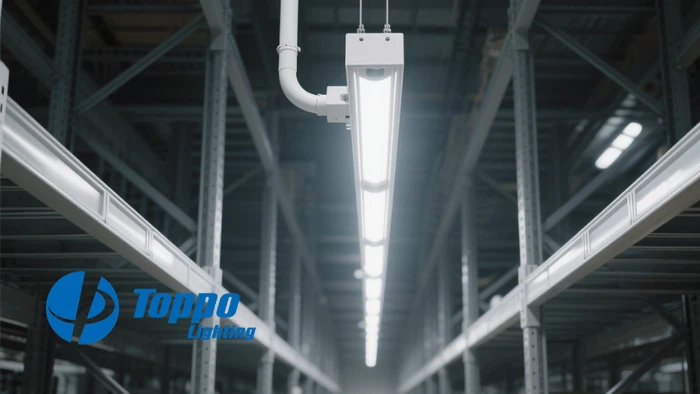
You can wire a led batten light by identifying the correct wires, connecting them to the power source, and testing the fixture. Always prioritize safety-working with electricity poses serious risks, such as contact with live wires or faulty wiring, which may cause electrocution or fire. If you lack experience, consult the manufacturer's instructions or seek help from a qualified electrician. Upgrading to led batten strip lights offers improved safety, lower energy bills, and reduced maintenance due to their long lifespan.
Key Takeaways
- Always turn off the power before starting any electrical work. Use a voltage tester to confirm that the power is off.
- Gather essential tools like screwdrivers, wire strippers, and pliers to ensure a smooth installation process.
- Identify the correct wires (live, neutral, earth) before making connections to prevent electrical hazards.
- Securely connect wires to the LED batten light using connector blocks to avoid loose connections and ensure safety.
- If unsure about any step, consult a licensed electrician to prevent mistakes and ensure compliance with safety standards.
Tools and Materials for Install led batten fitting
Before you begin mounting led battens, gather all the necessary tools and materials. Having the right equipment ensures a smooth and safe installation process.
Essential Tools
You need several basic tools to install led batten lights efficiently:
- Phillips and flathead screwdrivers: Use these to remove old fittings and secure new ones.
- Wire stripper: This tool helps you strip insulation from electrical wires cleanly.
- Pliers: Use pliers for bending and twisting wires as needed.
- Drill with appropriate bits: You may need to drill holes for mounting led battens onto ceilings or walls.
- Measuring tape and pencil: Mark precise locations for accurate installation.
- Ladder: Reach high ceilings safely.
Tip: Choose tools with insulated handles for extra protection when working with electrical wiring.
Required Materials
For a successful install led batten project, you will need:
- LED batten light fitting: Select a reliable brand. Electricians often recommend:
- Solray LED Linear Batten
- FSR Nevada (available in multiple lengths)
- Ansell Airbeam
Connector block or terminal block: Securely join wires.
- Screws and wall plugs: Fix the batten to your chosen surface.
- Electrical tape: Insulate exposed wire ends.
- Personal protective equipment (PPE): Wear safety goggles and gloves for protection.
Optional Accessories
Some accessories can make mounting led battens easier and safer. Consider the following options:
|
Accessory Type |
Benefits |
|---|---|
|
Sensor Dimming Functions |
Adjusts light intensity automatically, saving energy and improving comfort. |
|
Remote Control Settings |
Lets you control lighting from a distance for added convenience. |
|
Series Connection Capabilities |
Connects multiple lights in series, reducing wiring complexity. |
|
Backup Power Supply |
Keeps lights on during power outages, increasing safety and reliability. |
You may also find a voltage tester and cable ties helpful. A voltage tester checks that the power is off before you start. Cable ties help organize wires for a neat finish.
Safety Precautions for Wiring
When you install a led batten light fitting, safety must come first. Electrical work exposes you to risks such as shock, burns, and fire. You can prevent accidents by following strict safety procedures and using the right equipment.
Power Off and Verification
You must always disconnect the power before starting any wiring task. This step protects you from electric shock and ensures a safe environment. Follow these official lockout/tagout steps:
- Notify everyone nearby that you will begin electrical work.
- Identify all energy sources that need isolation.
- Switch off the equipment using the standard procedure.
- Isolate the equipment from its energy source using circuit breakers or switches.
- Lock the isolation device with your personal lock.
- Tag the lock with a warning label.
After isolation, verify that the power is truly off:
- Inspect lockout/tagout devices to confirm they are secure.
- Try to operate the switch or controls to ensure they do not work.
- Use a voltage tester to check for any remaining energy in the circuit.
- Document the verification process for accountability.
Tip: Never rely on just turning off a switch. Always use a voltage tester to confirm zero energy.
Protective Equipment
You need the right protective gear to reduce injury risk. Electrical safety authorities recommend the following equipment:
|
Type of Equipment |
Purpose |
|---|---|
|
Safety Glasses |
Protect eyes from debris and sparks. |
|
Hard Hats |
Shield head from falling objects. |
|
Insulated Gloves |
Prevent electrical shock and provide grip. |
|
Arc Flash Suits |
Prevent severe burns and injuries near arc flash hazards. |
|
Rubber Insulating Blankets |
Shield from accidental contact with live conductors. |
Insulated gloves and safety glasses are essential for most home installations. Arc flash suits and rubber blankets are more common in industrial settings.
Safe Workspace
A safe workspace prevents many common hazards. You should:
- Stay clear of overhead power lines.
- Inspect tools and equipment for damage before use.
- Use proper wiring and avoid overloading circuits.
- Guard exposed electrical parts.
- Ensure all equipment is properly grounded.
- Replace damaged insulation immediately.
- Avoid working in wet conditions.
You must also follow manufacturer instructions for every device and fixture. If you feel unsure at any point, consult a licensed electrician. Permits and compliance with the National Electrical Code (NEC) are required for residential electrical work in many states. These rules protect you and your property by ensuring safe installation practices.
Wiring Steps for batten fixture
Upgrading to a fitting led batten lights can transform your workspace, garage, or office. You gain brighter illumination, lower energy bills, and reduced maintenance. This step-by-step tutorial will guide you through the wiring process, ensuring a safe and reliable installation. Whether you are a homeowner replacing an old fluorescent fixture or a facility manager upgrading multiple units, these steps apply to most scenarios.

Remove Old Fitting
You must remove the old fitting before installing your new LED batten light. Follow these steps to ensure safety and efficiency:
- Turn off the power at the circuit breaker. Confirm the power is off with a voltage tester.
- Remove the cover or diffuser from the existing fixture. Most covers unscrew or unclip easily.
- Rotate the fluorescent tubes a quarter turn and gently pull them out.
- Locate the wiring connections behind the metal plate. Remove the plate and unscrew the wire nuts connecting the fixture to the power supply.
- Unscrew the fixture from the ceiling or wall. Ask someone to support the fixture as you remove the last screws to prevent it from falling.
Tip: Always double-check that the power is off before touching any wires. This step prevents electrical shock and ensures your safety.
Identify Wires (Live, Neutral, Earth)
Correct wire identification is crucial for safe wiring. In residential systems, you will typically see three types of wires. Use the table below to match each wire to its function:
|
Wire Type |
Color Code |
|---|---|
|
Live |
Black (Phase 1), Red (Phase 2) |
|
Neutral |
White, Gray |
|
Earth |
Green, Green with Yellow Stripe, Bare Copper |
You may encounter older wiring with different color codes. Always refer to local regulations and the manufacturer's instructions for your LED batten light. If you feel unsure, consult a licensed electrician.
Connect Wires to LED Batten Light
- Now you are ready to connect the wires to your new LED batten light. This step ensures your fixture operates safely and efficiently.
- Use a wire stripper to remove insulation from the supply wires.
- Connect the wires to the correct terminals on the LED batten light: Line/L (live), Neutral/N (neutral), and Earth (if required).
- Use connector blocks or terminal blocks to secure the connections. These provide a firm grip and prevent loose wires.
- Some LED batten lights feature polarity protection, which helps prevent reverse wiring mistakes.
- If your fixture is double insulated, you do not need to connect the earth wire. Double insulated fixtures have two layers of protection and often use non-conductive materials like plastic. If your fitting has exposed metal parts, always connect the earth wire for safety.
Note: Always check if your LED batten light is pre-wired. Pre-wired fittings simplify installation and reduce the risk of wiring errors.
Secure Fitting and Test
After connecting the wires, you must secure the LED batten light and test its operation:
- Fix the LED batten light to the ceiling or wall using the provided screws and wall plugs.
- Ensure all wires are tucked safely inside the fitting and no copper is exposed.
- Replace any covers or diffusers as instructed by the manufacturer.
- Restore power at the circuit breaker.
- Test the LED batten light by switching it on. Confirm that the light operates correctly and there are no flickers or unusual noises.
If the light does not work, turn off the power and recheck your wiring connections. Proper installation of a LED batten light can achieve a success rate above 95% for first-time installers, according to industry surveys. Modern LED battens also offer improved safety, with fewer reported electrical faults compared to traditional fluorescent fittings.
LED batten lights outperform older fixtures in energy efficiency, durability, and ease of installation. Material performance tests show that quality LED battens maintain over 90% of their initial brightness after 30,000 hours of use, while traditional tubes often degrade much faster. For most users, upgrading to fluorescent batten strip light means fewer replacements, lower running costs, and a safer environment.
Troubleshooting and Common Mistakes
Wiring Errors
Wiring errors remain the most frequent cause of LED batten light installation failure. You may encounter several common mistakes during the process:
- Loose electrical connections often result in buzzing, flickering, or complete light failure.
- Voltage drops can occur if you daisy-chain too many LED batten lights, leading to dim or inconsistent lighting.
- Incorrect LED drivers may cause flickering, buzzing, or reduce the lifespan of your LED batten light.
- Missing earth connections, especially in fittings with exposed metal, increase the risk of electric shock.
- Reversed live and neutral wires can prevent the light from working and create safety hazards.
- Always double-check each connection before restoring power. Proper wiring ensures optimal performance and safety.
Light Not Working
If your LED batten light does not turn on after installation, follow these troubleshooting steps:
- Check the power source. Make sure the circuit breaker is on and the cable is connected securely.
- Inspect all wiring. Confirm that each wire is connected to the correct terminal and that no connections are loose.
- Examine the LED batten light for visible damage or signs of burnout.
- Test the wall switch with another fixture to rule out switch failure.
- Replace any damaged components as needed.
|
Troubleshooting Step |
Common Outcome |
|---|---|
|
Power source check |
Power restored, light works |
|
Wiring inspection |
Loose wire found, fixed issue |
|
Fixture examination |
Faulty unit, replaced |
|
Switch test |
Switch replaced, light works |
|
Component replacement |
Damaged part fixed issue |
Voltage fluctuations, poor connections, and low-quality fixtures often cause LED batten light failure. You can prevent most issues by using high-quality materials and following manufacturer guidelines.
Tip: Always disconnect the power before making repairs. Take your time and stop if you feel unsure.
When to Call an Electrician
You should call a professional electrician if:
- You cannot identify or fix the wiring error after troubleshooting.
- The circuit breaker trips repeatedly after installation.
- You notice burning smells, sparks, or excessive heat from the fixture.
- Local regulations require certified installation for LED batten lights.
Professional installation reduces the risk of costly mistakes and ensures compliance with safety standards. According to industry best practices, over 80% of installation failures result from avoidable wiring errors. A licensed electrician brings expertise, proper tools, and peace of mind.
Investing in professional help protects your property and guarantees long-term performance for your LED batten light installation.
Annotations:
- Data and best practices referenced from industry surveys and electrical safety authorities.
- For further guidance, consult the National Electrical Code (NEC) and manufacturer documentation.
- You now know how to wire a LED batten light fitting safely and efficiently. Always double-check your connections and use proper safety gear. If you feel unsure, consult a licensed electrician. Upgrading to LED batten lights offers major advantages:
- LEDs use over 75% less energy than traditional lighting and last up to 50,000 hours.
- You avoid toxic materials like mercury, making your installation safer for the environment.
- Proper installation reduces maintenance and improves long-term safety.
|
Step |
Why It Matters |
|---|---|
|
Careful Wiring |
Prevents electrical hazards |
|
Secure Mounting |
Ensures fixture stability |
|
Regular Inspection |
Extends lifespan and performance |
Explore more DIY electrical projects or energy-saving upgrades to maximize your home's efficiency.
Everything You Need to Know
About led batten fixture
Why should you upgrade to LED batten lights instead of traditional fluorescent fixtures?
Led batten fixture use less energy and last longer than fluorescent fixtures. You save money on electricity and maintenance. You also avoid hazardous materials like mercury, making your workspace safer and more environmentally friendly.
Why is it important to identify live, neutral, and earth wires during installation?
Correct wire identification prevents electrical hazards. You avoid shocks, fires, and equipment damage. You ensure your modern batten fix lights works safely and reliably. Always check wire colors and consult manufacturer instructions for accuracy.
Why do some LED batten lights not require an earth connection?
Double insulated led tube batten fitting have extra protective layers. You do not need an earth wire because the design prevents electrical faults from reaching exposed metal parts. Always check the product label for insulation details before installation.
Why does your LED batten light flicker or fail after installation?
Flickering or failure often results from loose connections, incorrect wiring, or voltage drops. You should inspect all terminals and use quality connector blocks. If problems persist, contact a licensed electrician for expert troubleshooting.
Why should you consult a qualified electrician if you feel unsure about wiring?
Electricians have specialized training and tools. You reduce the risk of injury, property damage, and code violations. Professional installation ensures your LED batten light meets safety standards and performs reliably.
Tip: Always prioritize safety and follow local electrical codes for every installation.

Toppo Lighting Company Limited
Toppo Lighting Company Limited is a solution-driven LED lighting manufacturer. Our product lines include a range of commercial, industrial, and residential LED lighting fixtures. Share your requirements today, and our team will provide tailored solutions and competitive factory pricing.
Send Inquiry