


How To Change Led Batten Light?
Aug 29, 2025
Leave a message
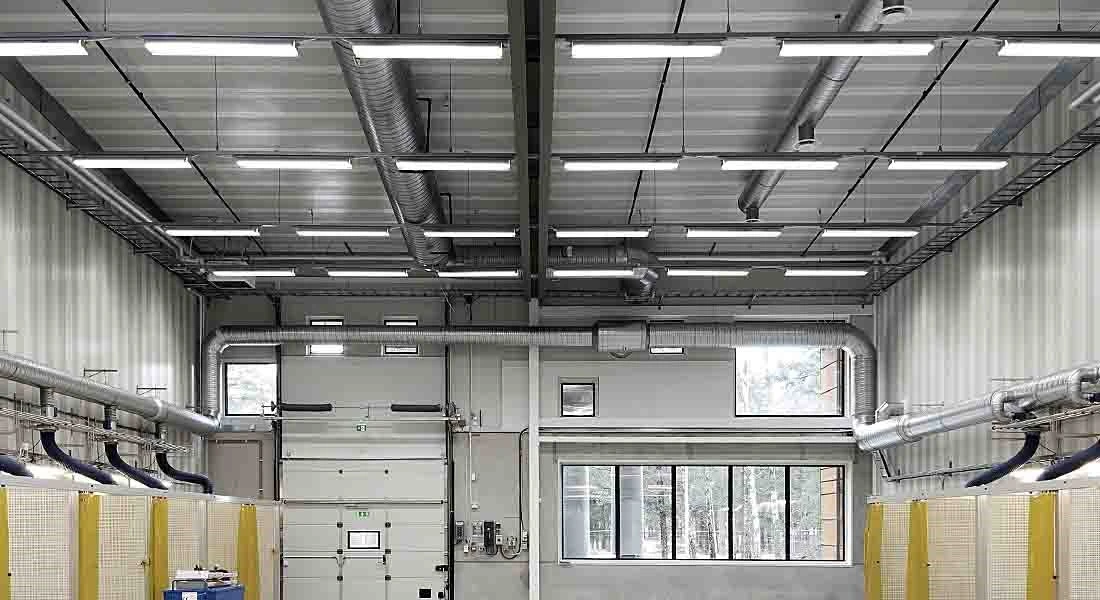
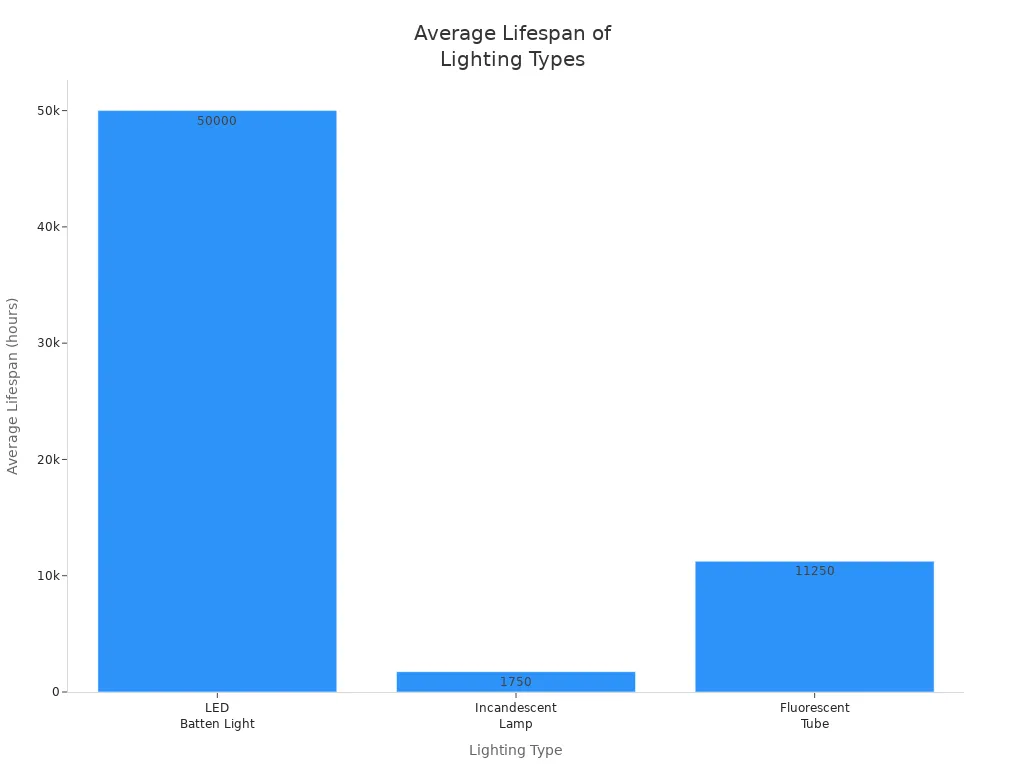
You can change an LED batten light by switching off the power, removing the old fixture, and installing the new unit with basic tools. Safety always comes first-use insulated tools and wear protective gear to prevent accidents. Most DIYers find this process straightforward, and you gain a brighter, more energy efficient LED Batten Light in your space. Upgrading to linkable led batten lights offers clear advantages:
|
Feature |
LED Batten Lights |
Traditional Fluorescent Lights |
|---|---|---|
|
Efficiency |
50%-78% less power consumption |
Higher power consumption |
|
Lifespan |
30,000 to 50,000 hours |
3,000 to 8,000 hours |
|
Color Rendering Index (CRI) |
70-80 |
Typically around 50 |
|
Initial Cost |
Higher initial cost, but lower long-term costs |
Lower initial cost |
|
Brightness |
Provides brighter LED Batten Light |
Generally less bright |
Key Takeaways
- Always turn off the power at the circuit breaker before starting any work on your LED batten light. This step prevents electric shock and ensures safety.
- Use insulated tools and wear protective gear, such as gloves and safety glasses, to minimize the risk of accidents during installation.
- Choose a high-quality LED batten light with a long lifespan and energy efficiency to save on electricity costs and reduce maintenance needs.
- Follow the manufacturer's instructions carefully during installation to ensure proper setup and avoid voiding any warranties.
- If you encounter any issues, such as flickering or the slimline led batten lights not turning on, check connections and consult a professional electrician if needed.
Tools for LED Batten Lights
Essential Tools
When you change an industrial led batten light, you need reliable tools to ensure a safe and efficient installation. Professional electricians recommend the following:
- Screwdriver: Choose a Phillips or flat-head screwdriver with a hardened steel shaft. This tool helps you remove and secure mounting screws.
- Insulated gloves: Use gloves rated for electrical work. They protect your hands from accidental shocks.
- Ladder: Select a sturdy aluminum or fiberglass ladder if the fixture is mounted high. Fiberglass ladders offer better insulation against electricity.
- New TUBU best led batten lights (model L10-K): This model provides high efficacy and long lifespan.
Tip: Always inspect your tools for damage before starting. Damaged tools can compromise safety and installation quality.
|
Tool |
Material |
Strength (Newton) |
Suitability |
|---|---|---|---|
|
Screwdriver |
Hardened Steel |
800-1200 |
All installations |
|
Insulated Gloves |
Rubber |
N/A |
Electrical safety |
|
Ladder |
Aluminum |
2000-3000 |
Indoor use |
|
Ladder |
Fiberglass |
2500-3500 |
Electrical insulation |
Fiberglass ladders outperform aluminum in electrical safety scenarios. Hardened steel screwdrivers resist bending and wear, making them ideal for repeated use.
Materials Needed
You must gather the right materials before you begin. The following items ensure a smooth installation and long-term reliability:
- Replacement LED batten light: Choose a unit with a voltage rating of 240V or a variable supply between 220V and 265V. Confirm the wattage matches your lighting needs.
- Mounting brackets and screws: Use stainless steel for corrosion resistance.
- Wire connectors: Select insulated connectors for secure electrical connections.
- Warranty documentation: Most new LED batten lights offer a warranty from 3 to 5 years. Some suppliers provide an optional 7-year warranty if you register your project.
- Features to consider: Look for cooling systems, adequate lighting coverage, and energy efficiency. Models with dual wattage switches and ultra-thin designs fit various spaces. Weatherproofing and high IP ratings are essential for outdoor installations.
Note: Always check the color temperature, brightness level, and ingress protection rating before purchasing. These features affect the comfort and durability of your lighting.
When you select your led batten fitting, prioritize long lifespan, competitive price, and extended warranty. These factors ensure you get the best value and performance for your space.
Safety Steps

Changing an slim led batten lights requires strict attention to electrical safety. You must follow best practices to protect yourself and ensure a successful installation. According to the Electrical Safety Foundation International (ESFI), electrical incidents cause over 30,000 non-fatal shock accidents annually in the United States. Most of these incidents occur during home improvement projects. By following the steps below, you can reduce your risk and work confidently.
Power Off
Always turn off the power at the mains before you start any work on an LED batten light. This step is non-negotiable. You should locate your circuit breaker panel and switch off the breaker that controls the lighting circuit. Use a voltage tester to confirm that the power is truly off before proceeding. The National Fire Protection Association (NFPA) reports that 63% of electrical injuries result from working on live circuits. Taking this precaution eliminates the risk of electric shock.
⚡ Tip: Label the breaker switch to prevent others from accidentally turning it back on while you work.
Protective Gear
Wearing the right protective gear is essential for electrical safety. You should use insulated gloves and safety glasses every time you handle wiring or fixtures. Insulated gloves reduce the risk of electric shock by up to 90%, according to Occupational Safety and Health Administration (OSHA) studies. Safety glasses protect your eyes from dust, debris, and accidental sparks. For added safety, wear non-slip shoes to prevent falls when working on a ladder.
|
Protective Gear |
Effectiveness (%) |
Recommended Use |
|---|---|---|
|
Insulated Gloves |
90 |
Electrical work |
|
Safety Glasses |
85 |
All installations |
|
Non-slip Shoes |
80 |
Ladder work |
Electrical Checks
Before you touch any wires, perform a thorough electrical check. Use a non-contact voltage tester to verify that no current flows through the wires. Inspect the wiring for signs of wear, damage, or exposed copper. If you notice any frayed wires or loose connections, do not proceed. Contact a licensed electrician for repairs. Following the manufacturer's installation instructions ensures you meet safety standards and avoid voiding your warranty.
🛡️ Note: If you feel unsure about any step, seek help from a professional electrician. Your safety always comes first.
References:
- Electrical Safety Foundation International (ESFI) – Home Electrical Safety
- National Fire Protection Association (NFPA) – Electrical Injury Data
- Occupational Safety and Health Administration (OSHA) – Personal Protective Equipment Standards
Change LED Batten Light
Upgrading to an LED batten light transforms your space with brighter illumination and lower energy costs. You can complete the replacement process efficiently by following each step and using the correct installation method. This guide covers every stage, from removing the old fixture to testing the new unit. Always refer to the manufacturer's instructions for your specific model to ensure a safe and successful installation.
Remove Old Light
- Start by preparing for the removal of your existing fixture. You need to follow a systematic approach to avoid electrical hazards and ensure a smooth transition to your ideal replacement for fluorescent lighting.
- Turn off the power at the circuit breaker. Confirm that the circuit is off before you touch any part of the fixture.
- Use a stepladder to reach the batten comfortably.
- If the fixture has a cover, gently pry it open or unscrew it.
- Rotate the LED tube light about 90 degrees to release it from the socket.
- Carefully pull the tube light down from the fixture.
Tip: Handle the old LED batten light with care to prevent breakage. Check with local recycling facilities for proper disposal. Many companies offer recycling programs for outdated fixtures.
|
Disposal Method |
Environmental Impact |
Convenience |
|---|---|---|
|
Local Recycling Facility |
Low |
Moderate |
|
Manufacturer Recycling Program |
Very Low |
High |
|
General Waste |
High |
Low |
Disconnect Wires
You must disconnect the wires safely to prepare for the replacement. This step ensures that you avoid electric shock and maintain the integrity of your electrical system.
- Shut off the electricity and use a voltage tester to confirm the circuit is inactive.
- Remove the commercial led batten lights cover without touching any wires.
- Disconnect the wires by loosening the screws holding them in place. Note the wire connections for reinstallation.
- Unscrew the mounting bracket that secures the fixture.
- Dispose of the outdated fixture at a designated recycling center.
Note: Always mark out where the batten was installed to help align the new fixture.
Mount New batten strip lights
Select the installation method that matches your environment and fixture type. The batten fitting serves as the ideal replacement for fluorescent units, offering improved efficiency and longevity.
- Assess the mounting surface and ensure it supports the weight of the new suspended batten light.
- Use appropriate mounting brackets and screws for structural integrity.
- Comply with local safety standards during installation.
- Gather all necessary equipment, including drills and screwdrivers.
- Confirm the LED batten light meets local voltage and wattage specifications.
- Use a ladder or scaffolding for high installations.
- Ensure the power is off with a voltage tester before proceeding.
|
Installation Method |
Suitable For |
Safety Level |
Efficiency Gain (%) |
|---|---|---|---|
|
Surface Mount |
Drywall, Concrete |
High |
65 |
|
Suspended Mount |
High Ceilings |
Moderate |
60 |
|
Weatherproof Mount |
Outdoor Areas |
Very High |
70 |
Reconnect Wires
Wire the batten to the mains using the correct color codes and secure connections. This step is crucial for safe operation and optimal performance.
|
Wire Color |
Connection Type |
|---|---|
|
Brown |
Hot (Connect to Black) |
|
Blue |
Negative (Connect to White) |
|
Green with Yellow Stripe |
Ground (Connect to Green) |
- Attach each wire to its corresponding terminal using insulated connectors.
- Tighten all screws to prevent loose connections.
- Double-check that no exposed copper remains.
Tip: If you encounter compatibility issues, such as mismatched socket types (T5 vs. T8) or ballast requirements, consult the manufacturer's documentation. LED batten lights often do not require a ballast, making them the ideal replacement for fluorescent fixtures.
Test the LED Batten Light
After completing the installation, you need to verify that the new LED batten light operates correctly and safely.
- Restore power to the circuit.
- Turn on the switch and check if the LED batten light illuminates as expected.
- Adjust the illumination angle or control settings if necessary.
- Use a digital multimeter to measure the strength of each LED light for optimal performance.
- Confirm that all wiring is secure and no flammable items are near the fixture.
|
Scenario |
Before (Fluorescent) |
After (LED Batten Light) |
|---|---|---|
|
Power Consumption |
40W |
18W |
|
Lifespan |
8,000 hours |
40,000 hours |
|
Brightness |
2,500 lumens |
3,800 lumens |
|
Maintenance |
Frequent |
Rare |
⚡ Upgrading to LED batten lights increases energy savings by up to 55% and reduces maintenance needs. You gain brighter light and longer lifespan, making this installation method a smart investment.
References:
- U.S. Department of Energy – LED Lighting Facts
- National Electrical Manufacturers Association – Residential Wiring Standards
- Environmental Protection Agency – LED Recycling Guidelines
Troubleshooting LED Batten Lights

When you install a new LED batten light, you expect reliable performance. Sometimes, issues can occur even with the best products. Understanding the most frequent problems helps you resolve them quickly and maintain optimal lighting in your space.
|
Issue Type |
Description |
|---|---|
|
Loose Electrical Connections |
Poorly secured connections can cause buzzing, flickering, or total failure of the LED Batten Light. |
|
Voltage Drop |
Long wiring runs may lead to dim or flickering LED Batten Light due to power loss over distance. |
|
Wrong LED Driver |
Using an incompatible driver can result in flickering, buzzing, or reduced performance. |
|
Complicated Circuitry |
Incorrect setups may cause dimming, outages, or overloads from power surges. |
Light Not Working
If your LED batten light does not turn on after installation, follow these steps to identify the cause:
- Check the power source. Make sure the power is on and the cable is connected securely.
- Inspect the wiring. Confirm that all wires are connected properly and none are loose.
- Examine the bulbs. Replace any that are damaged or burned out.
- Test the switch. Try a different fixture to see if the switch works.
- Consult a professional electrician if the problem continues.
⚡ Tip: Always use a voltage tester before touching any wires to ensure your safety.
Flickering Issues
Flickering can reduce the comfort and effectiveness of your lighting. You can address this by checking for these common causes:
- Loose connections often cause voltage changes that make the light flicker.
- Voltage fluctuations from the power supply can affect performance.
- Incompatible dimmer switches may not work well with LED lights.
- Overheating from poor ventilation can damage the fixture and cause flickering.
- Electromagnetic interference from nearby electronics can disrupt the LED driver.
Note: Most flickering issues resolve when you secure connections and use compatible components.
Loose Fittings
Loose fittings can make your LED batten light unstable or noisy. Always tighten all screws and brackets during installation. If you notice movement or buzzing, check the mounting hardware and secure it. Stable fittings ensure long-term reliability and safety.
References:
- U.S. Department of Energy – LED Lighting Facts
- National Electrical Manufacturers Association – Residential Wiring Standards
- Environmental Protection Agency – LED Recycling Guidelines
- Changing your LED batten light involves a few key steps: turn off the power, use protective gear, disconnect wires, mount the new fixture, and test the light. You gain high energy efficiency, reduced running costs, and a long lifespan with modern LED technology.
- Designed for high energy efficiency
- Low maintenance requirements lead to cost reductions
If you feel uncertain at any stage, professional help ensures safety and maximizes your investment.
Frequently Asked Questions
led batten light fitting
What should you do if your new LED batten light does not turn on?
+
-
Check the power supply first. Confirm that you connected all wires securely. Use a voltage tester to ensure electricity flows to the fixture. If the problem continues, consult a licensed electrician for further inspection.
Can you install an LED batten light without professional help?
-
Yes, you can install an linkable batten lights if you follow safety steps and use the right tools. Always turn off the power at the mains. If you feel unsure at any point, contact a qualified electrician.
Why does your LED batten light flicker after installation?
-
Loose connections, incompatible dimmer switches, or voltage fluctuations often cause flickering. Tighten all connections and use only compatible switches. If flickering persists, check the power supply or replace the LED driver.
How long does an LED batten light typically last?
-
Most LED batten lights last between 30,000 and 50,000 hours. You benefit from fewer replacements and lower maintenance costs compared to traditional fluorescent lights.
Is it safe to replace a fluorescent batten with an LED batten light?
-
Yes, replacing a fluorescent batten with an LED batten light is safe if you follow all safety guidelines. Always disconnect power, wear protective gear, and use insulated tools. Refer to the manufacturer's instructions for your specific model.
For more details, see resources from the U.S. Department of Energy and the Electrical Safety Foundation International.

Request a Quote & Free Sample
Bring your lighting ideas to life with TOPPO Lighting. Our expert team and advanced facilities are dedicated to delivering LED solutions that match your project requirements in performance, design, and efficiency.
Send Inquiry