


How To Mount Led Panel Light
Sep 13, 2025
Leave a message
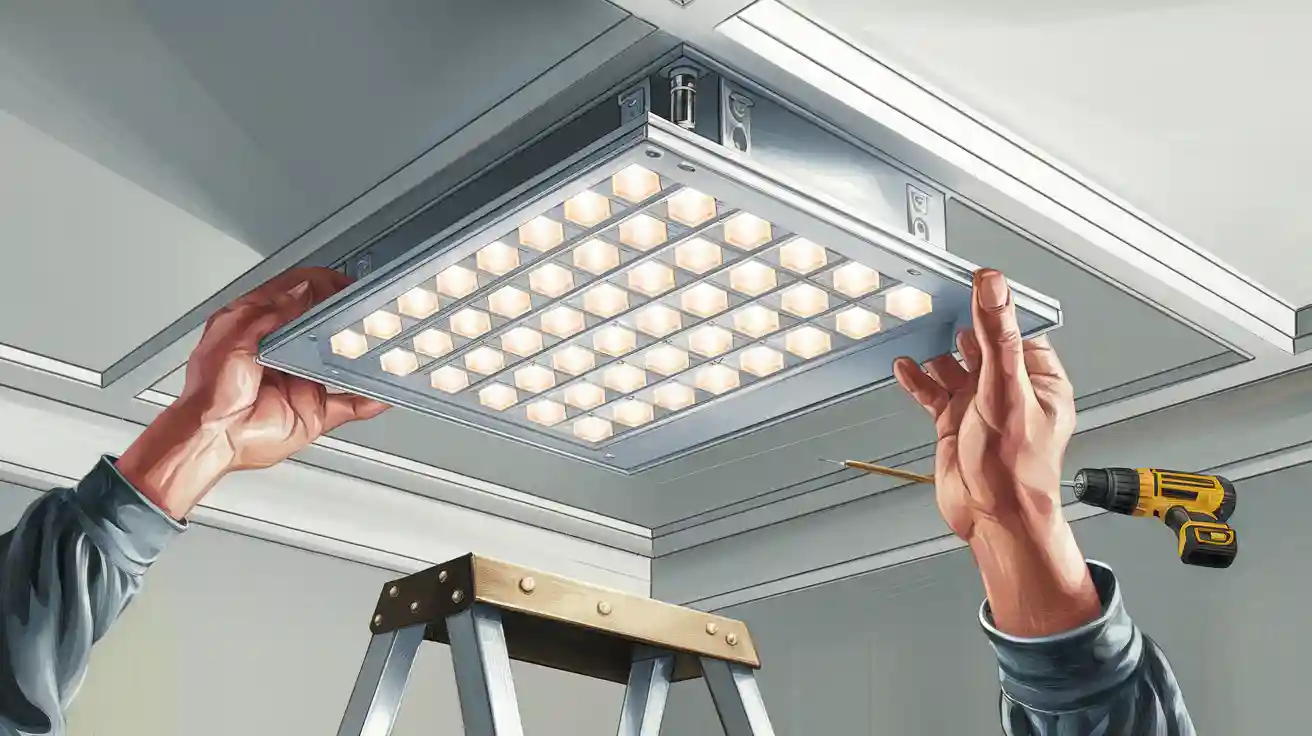
Mounting a led panel light involves selecting the right method, preparing your tools, and following each step with care. Many U.S. households now use LED lighting, with usage rising to nearly half in recent years. You must plan your layout, connect wiring correctly, and secure the fixture to avoid common mistakes like loose connections or sagging panels. Prioritize safety and accuracy to achieve a reliable, modern lighting solution.
Key Takeaways
- Gather essential tools like a level, voltage tester, and screwdriver set before starting your LED panel light installation. This preparation ensures a smooth and safe process.
- Prioritize electrical safety by turning off the power at the breaker and using a voltage tester to confirm no electricity flows to the wires. This step protects you from potential hazards.
- Choose the right mounting method based on your ceiling type and desired look. Surface mounting is great for solid ceilings, while recessed mounting offers a sleek finish.
- Securely fasten the LED panel light using appropriate methods like spring clips or mounting brackets. A stable installation prevents sagging and enhances safety.
- Test the installation after completion to ensure proper function. Check for consistent brightness and address any flickering or buzzing issues immediately.
Tools and Materials

Essential Tools
You need the right tools to mount an LED panel light safely and efficiently. Using the correct equipment ensures a secure installation and reduces the risk of mistakes. Most manufacturers recommend the following essential tools for LED panel light installation:
Level: Keeps your LED panel light straight and professional-looking.
Voltage Tester: Confirms the power is off before you start working, which protects you from electrical hazards.
Ladder or Step Stool: Lets you reach ceilings or high walls with stability.
Measuring Tape: Helps you measure the installation area accurately for a perfect fit.
Pencil or Marker: Marks the exact spots for cutting or mounting.
Screwdriver Set: Removes old fixtures and secures the new LED panel light.
Wire Strippers: Removes insulation from wires for clean, safe connections.
Wire Connectors: Joins electrical wires securely, preventing loose connections.
Drill: Creates holes in ceilings or walls for mounting brackets or anchors.
Tip: Always double-check your tool kit before starting. Missing tools can delay your LED panel light installation and lead to errors.
Materials by Mounting Method
Choosing the right materials for your mounting method is crucial. Each method-surface-mounted or drop ceiling-requires specific materials for strength, durability, and safety. The table below compares the most common materials used by leading brands:
|
Mounting Method |
Frame Materials |
Light Source Types |
Light Guide Plate Materials |
Diffuser Plate Materials |
|---|---|---|---|---|
|
Surface-mounted |
Aluminum alloy, steel, PC, A6063 |
SMD2835, SMD4014, HONGLI, SANAN, SAMSUNG |
PMMA, MAS, PS |
PC, acrylic, PS, PP |
|
Drop ceilings |
Aluminum, steel |
Brand chips like Lumileds |
Varies in cost |
PS, PP used more |
Aluminum alloy frames, especially A6063, offer high strength-to-weight ratios and resist corrosion, making them ideal for both surface and recessed mounting. Polycarbonate (PC) and acrylic diffusers provide excellent light transmission and impact resistance, which ensures your LED panel light delivers bright, even illumination. For drop ceilings, lightweight steel frames support easy installation and long-term durability.
When you select materials, consider the environment and usage. For example, high-traffic commercial spaces benefit from stronger frames and shatter-resistant diffusers. Home installations often prioritize aesthetics and energy efficiency. By matching the right materials to your mounting method, you ensure your LED panel light installation remains secure, efficient, and visually appealing for years to come.
Safety Precautions
Electrical Safety
You must prioritize electrical safety when installing an LED panel light. Many safety incidents occur because people overlook basic precautions. If you work on a live circuit, you risk electrocution. Always switch off the power at the breaker before you begin. Use a voltage tester to confirm that no electricity flows to the wires. Incorrect wiring can create a shock hazard, so follow the manufacturer's instructions closely and match wires by color and function.
Damaged tools or frayed cords increase your risk of injury. Inspect all equipment before use. Wet conditions make electrical work even more dangerous. Water conducts electricity, so keep your workspace dry and only use fixtures rated for damp locations.
You also need to follow national electrical codes to ensure your LED panel light installation meets safety standards. The table below summarizes key requirements:
|
Requirement |
Description |
|---|---|
|
Class 2 Compliance |
Use low voltage power supplies and wiring that meet Class 2 standards. |
|
Inspection Process |
Obtain permits and schedule inspections for new construction projects. |
|
Junction Box Requirement |
Enclose all 120V AC to 12-24V DC connections in a junction box. |
By following these guidelines, you protect yourself and your property from electrical fires and shocks.
Inspection and Preparation
Proper inspection and preparation set the foundation for a safe and successful LED panel light installation. Start by turning off the power at the breaker. Use a voltage tester to double-check that the wires are not live. Wear gloves and safety goggles to protect your hands and eyes from sharp edges and accidental contact.
Prepare your workspace by gathering all necessary tools and materials. Inspect the installation area for moisture, clutter, or damage. A clean, dry, and organized environment reduces the risk of accidents and makes the mounting process smoother.
Tip: Careful preparation helps you avoid common mistakes and ensures your LED panel light stays secure and functional for years.
By taking these steps, you minimize hazards and set yourself up for a professional-quality installation. Safety is not just a checklist-it is the reason your LED panel light will deliver reliable, efficient lighting in your space.
LED Panel Light Installation Steps
Preparation
You need to prepare your workspace before you start the installation. This step ensures safety and efficiency. Most DIYers spend about 10 to 15 minutes on preparation. During this time, you should:
Gather all necessary tools and materials.
Turn off the power at the breaker to prevent electrical hazards.
Use a voltage tester to confirm the power is off.
Inspect the led panel light for any visible damage.
Wear insulating gloves and an apron for extra protection.
Tip: A well-prepared workspace reduces mistakes and speeds up the installation process.
Surface Mounting
Surface mounting works well for most residential and commercial spaces. This method allows you to attach the led panel light directly to the ceiling or wall. Follow this step-by-step guide for a secure and professional result:
Switch off power to the lighting circuit at the breaker.
Remove the screws on the back of the led panel light in the six marked locations.
Attach the six mounting brackets to these spots.
Place the mounting frame on the ceiling and mark the drill holes.
Drill the holes and insert plastic wall plugs for secure suspension.
Mount the frame to the ceiling using screws.
Attach the mounting cables to the frame.
Connect the active (black) and neutral (white) leads using wire nuts.
Close the terminal block cover.
Adjust the mounting cables for proper alignment.
Insert the fixing screws to secure the panel.
Turn the power back on and test the light.
|
Challenge |
Description |
|---|---|
|
Installation Complexity |
You may face uneven lighting or misalignment if you rush. Ensure the mounting surface is stable. |
|
Lighting Distribution and Coverage |
Place fixtures strategically to avoid shadows or uneven light spots. |
|
Energy Efficiency and Sustainability |
LED panel lights use less energy and last longer than traditional fixtures. |
Surface mounting is ideal for spaces where you want a clean, modern look without cutting into the ceiling. You can use this method in living rooms, kitchens, or offices.
Recessed Mounting
Recessed mounting gives your space a sleek, flush appearance. This method works best for low ceilings and is common in offices, schools, and retail environments. To install a led panel light with recessed mounting, follow these steps:
Review local lighting codes to ensure compliance.
Follow National Electrical Code (NEC) guidelines for wiring and installation.
Use a hole saw to create precise openings in finished ceilings.
Check for insulation in the ceiling space and follow manufacturer guidelines.
Use insulation covers if needed to prevent overheating.
Insert the led panel light into the opening, ensuring a snug fit.
Secure the panel using spring clips or mounting brackets.
Connect the wiring according to the color codes.
Test the installation for proper function.
|
Step |
Description |
|---|---|
|
1 |
Use a hole saw to create precise openings in finished ceilings. |
|
2 |
Ensure fixtures fit snugly and securely. |
|
3 |
Check for insulation in the ceiling space and follow manufacturer guidelines regarding insulation contact. |
|
4 |
Use insulation covers if necessary to prevent overheating. |
|
5 |
Follow safety measures to protect the installation and prolong fixture life. |
Recessed mounting is perfect for modern spaces where you want the led panel light to blend seamlessly with the ceiling.
Suspended Mounting
Suspended mounting lets you hang the led panel light from the ceiling using chains, rods, or wires. This method works well in rooms with high ceilings or when you want to create a statement piece. Here's how you can install a suspended led panel light:
Install the suspension hardware by securing chains, rods, or wires to the ceiling.
Attach the led panel light fixture to the suspension hardware.
Connect the wiring, following local codes and safety standards.
Test the light to ensure it works and provides adequate illumination.
|
Weight of Fixture (lbs) |
Hanger Wire Requirements |
|---|---|
|
Less than 10 |
1 #12 gauge hanger wire |
|
10 to 56 |
2 #12 gauge hanger wires |
|
56 or more |
Supported directly from structure with approved hangers |
Note: For fixtures weighing less than 56 lbs, use two slack 12-gauge safety wires at diagonal corners. For heavier fixtures, use four independent taut wires attached to the structure above.
Suspended mounting is ideal for conference rooms, studios, or commercial spaces where you want adjustable lighting height.
Electrical Connections
Proper wiring is critical for safety and performance. Always turn off the power at the breaker before making any connections. Inspect your tools and wear personal protective equipment, such as insulating gloves and aprons.
|
Wire Color |
Connection |
|---|---|
|
Black |
Hot/Live |
|
White |
Neutral |
|
Green |
Ground |
Strip the insulation from each wire using wire strippers.
Match the wires by color: black to black (hot), white to white (neutral), and green to green (ground).
Use wire nuts to secure each connection.
Double-check all connections before closing the terminal block cover.
Tip: Secure connections prevent flickering and reduce the risk of electrical hazards.
Securing the Panel
You need to fasten the led panel light securely to prevent sagging or accidental falls. The method depends on your mounting type:
Spring Clips: Snap the panel into place for recessed installations.
Mounting Brackets: Attach brackets to the ceiling or wall for surface mounting, ensuring precise alignment.
Adhesive Strips: Use for a no-drill installation, providing a clean look.
Rare Earth Magnets: Allow for easy removal and access to the panel.
Choose the method that matches your ceiling type and installation needs. Always check that the panel sits flush and does not wobble.
Callout: A secure installation not only looks professional but also extends the lifespan of your led panel light.
Testing and Troubleshooting
Test Installation
Testing your LED panel light after installation ensures safety and performance. You want to catch any issues before they become bigger problems. Follow these steps to check the functionality of your newly installed LED panel light:
Inspect the panel for physical damage, such as scratches or cracks. Damaged panels can affect both appearance and safety.
Assess the overall construction. Make sure all components feel sturdy and connections remain secure.
Examine the LED chips. Look for any discoloration or uneven brightness, which can signal faulty LEDs.
Verify the quality of the housing. Defects in the housing may impact heat dissipation and longevity.
Check for proper labeling and certification. Certified products meet safety standards and reduce risk.
Tip: Careful testing helps you avoid future repairs and ensures your LED panel light delivers consistent, reliable illumination.
Final Checks
You need to perform final checks to confirm a safe and successful installation. These steps help you identify any lingering issues and guarantee optimal performance:
Restore power to the circuit and turn on the LED panel light.
Check for consistent brightness across the entire panel.
Watch for flickering or buzzing, which can indicate loose connections or voltage issues.
If the panel does not light up, switch off the power and recheck all wiring connections.
A thorough final check gives you peace of mind and ensures your LED panel light operates safely.
Common Issues
Even with careful installation, you may encounter some common problems. Understanding these issues helps you troubleshoot quickly and maintain your lighting system.
|
Issue Type |
Description |
|---|---|
|
Loose Electrical Connections |
Poor connections can cause buzzing, flickering, or total failure. |
|
Voltage Drop from Daisy-Chaining |
Long wire runs may lead to flickering and reduced brightness. |
|
Wrong LED Driver Usage |
Using the wrong driver can result in flickering or buzzing. |
|
Output Failure |
Faulty output connections can prevent the panel from lighting up. |
|
Missing Colors or Abnormal Output |
Short-circuits or poor data signals can cause color loss or display confusion. |
If your LED panel light fails to operate, diagnose the fault by checking each LED chip. Bypass any faulty LEDs to restore continuity, and use a dim bulb tester to confirm repairs. Adjust the LED driver circuit if you notice repeated failures. By understanding these troubleshooting steps, you ensure your LED panel light installation remains safe, efficient, and long-lasting.
You achieve the best results by following each LED panel light installation step with care and attention to safety. Double-check your work to ensure secure mounting and reliable electrical connections. Upgrading to LED panel lights brings modern style and impressive energy savings:
|
Benefit |
Description |
|---|---|
|
Energy Savings |
Up to 80% reduction in energy use, saving money on bills. |
|
Lighting Quality |
Consistent brightness and minimal flicker support productivity and comfort. |
|
Longevity |
Lasts 25× longer, reducing maintenance and waste. |
If you face complex wiring or feel unsure about safety, seek professional help. Completing your own installation delivers satisfaction and lasting value to your space.
FAQ
How do you choose the right mounting method for your LED panel light?
You should consider your ceiling type, room height, and desired look. Surface mounting works best for solid ceilings. Recessed mounting creates a flush finish. Suspended mounting suits high ceilings or modern designs.
Can you install an LED panel light without professional help?
Yes, you can install most LED panel lights if you follow safety guidelines and manufacturer instructions. Always turn off the power and use proper tools. Seek professional help if you feel unsure about electrical work.
What should you do if your LED panel light flickers after installation?
Check all wire connections for tightness. Loose wires often cause flickering. Confirm that you used the correct LED driver. Replace any faulty components. If the problem continues, consult a licensed electrician.
How do you maintain your LED panel light for long-term performance?
Dust the panel regularly with a soft cloth. Inspect connections and mounting hardware every few months. Replace damaged parts immediately. Avoid using harsh chemicals on the diffuser or frame.
Are LED panel lights energy efficient compared to traditional fixtures?
Yes, LED panel lights use up to 80% less energy than traditional lighting. You save money on electricity bills and reduce maintenance costs. LED panels also provide consistent brightness and last much longer.
For more detailed guidance, always refer to the manufacturer's manual and local electrical codes.
Send Inquiry