


How To Install A Led Panel Light
Sep 01, 2025
Leave a message
How to install a led panel light
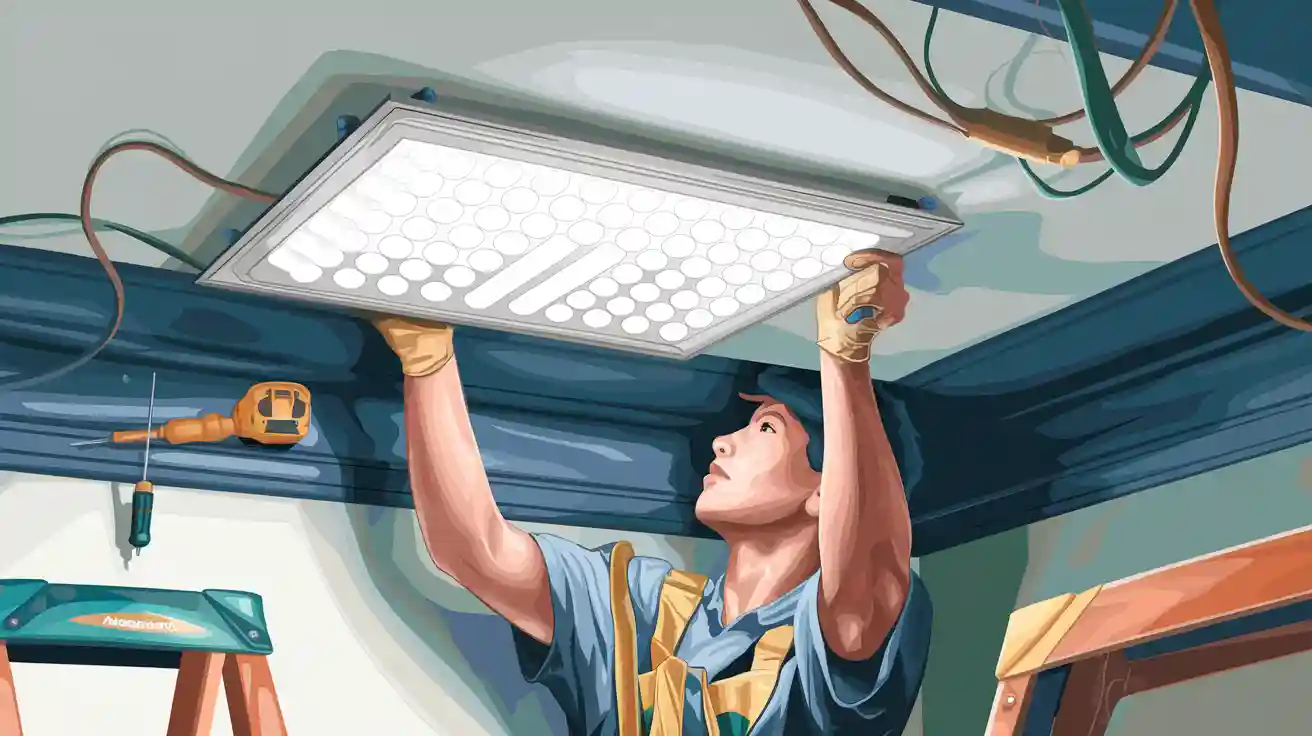
Ready to transform your space with modern, efficient lighting? Upgrading to a led panel light gives you bright, even illumination and slashes energy bills. See how led panel light technology outshines traditional options:
|
Benefit |
Description |
|---|---|
|
Energy efficiency |
Cut consumption by up to 85%, reducing CO₂ emissions. |
|
Longevity |
Lasts 25× longer, lowering replacement costs and waste. |
|
Low heat output |
Improves comfort and reduces cooling demands. |
You get better light quality for offices, kitchens, or retail spaces. Gather your tools and prepare for a straightforward upgrade.
Key Takeaways
- LED panel lights can save you up to 85% on energy bills while providing bright, even illumination.
- Always turn off the power and use a voltage tester before starting any electrical work to ensure safety.
- Gather essential tools like a screwdriver set, wire strippers, and a level to ensure a smooth installation process.
- Regular maintenance, including cleaning and checking connections, helps extend the lifespan of your LED panel lights.
- If unsure about any installation step, consider hiring a licensed electrician to ensure safety and compliance.
Tools for Install Led Panel Light
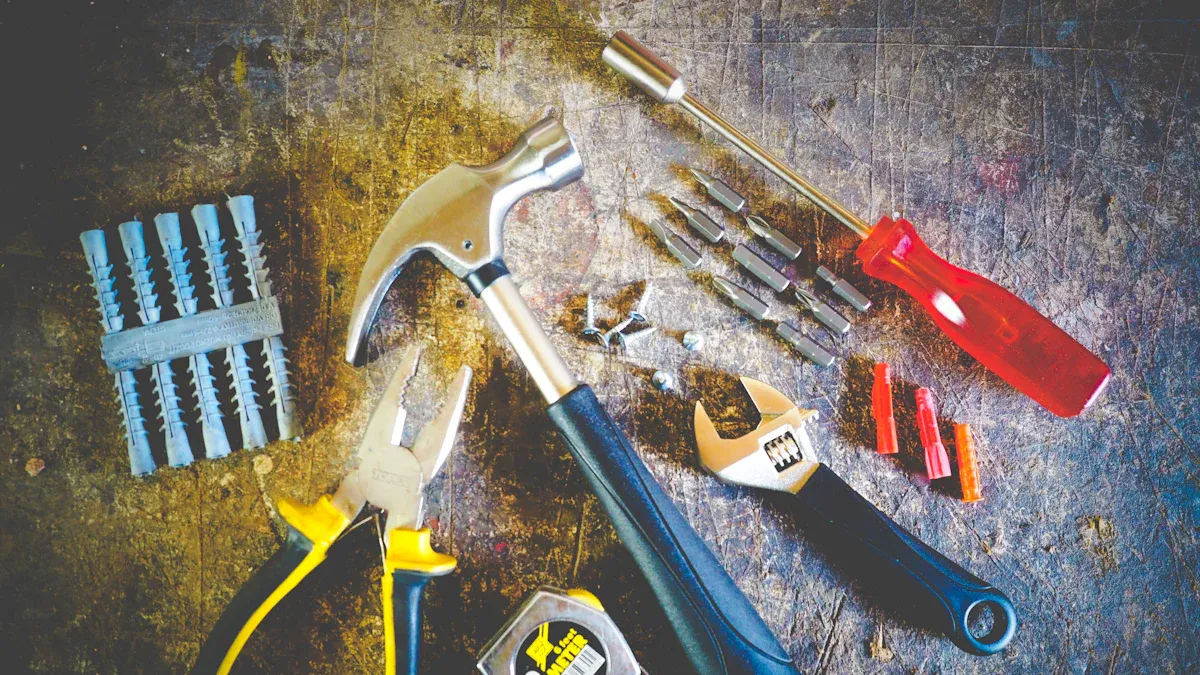
Before you start installing a led panel light ceiling panel, you need the right tools and materials. Using quality equipment ensures a safe, efficient installation and maximizes the performance of your lighting upgrade.
Tools
You should gather these essential tools for a smooth installation process:
- Measuring tape: Delivers precise measurements for accurate placement.
- Pencil or marker: Marks cut and mount positions.
- Screwdriver set: Removes old fixtures and secures the new led panel light.
- Wire strippers: Removes insulation for clean wire connections.
- Wire connectors: Joins electrical wires securely, reducing risk of loose connections.
- Drill: Creates mounting holes in various surfaces.
- Level: Ensures your panel sits perfectly straight.
- Voltage tester: Confirms power is off before you handle wiring.
- Ladder or step stool: Provides safe access to ceiling areas.
Tip: Using a voltage tester reduces the risk of electrical shock. Always double-check before touching any wires.
|
Tool |
Purpose |
Performance Advantage |
|---|---|---|
|
Screwdriver Set |
Fastening/removal |
Magnetic tips improve grip |
|
Wire Strippers |
Wire preparation |
Precision blades prevent wire damage |
|
Drill |
Mounting holes |
Variable speed for different surfaces |
|
Level |
Alignment |
Bubble accuracy ±0.5mm |
Materials
Select high-quality materials to ensure durability and optimal lighting:
- LED panel light: Choose panels with a lifespan of 50,000+ hours and high lumen output for bright, even illumination.
- Driver: Converts power efficiently, supporting stable performance.
- Mounting clips: Secure the panel, rated for 20+ lbs for safety.
- Safety cable: Prevents accidental falls, tested for tensile strength.
- Wall plugs: Anchor the panel in drywall or concrete.
- Wire nuts: Insulate and protect connections.
- Optional accessories can enhance your installation:
- Surface mount kits: Allow installation on solid ceilings.
- Emergency drivers: Provide backup lighting during power outages.
- Dimmer switches and remote controls: Offer adjustable brightness and color temperature.
- Motion and occupancy sensors: Automate lighting for convenience and energy savings.
- Cable suspension kits: Enable flexible hanging options.
Choosing the right tools and materials not only streamlines installation but also ensures your led panel light delivers reliable, long-lasting performance.
Safety Precautions
When you install a LED panel light, you must follow strict safety precautions. These steps protect you from electrical hazards and ensure your installation meets industry standards. Understanding why each step matters helps you avoid common mistakes and keeps your workspace secure.
Power Off
You must always turn off the power before starting any electrical work. This step prevents the risk of electrocution, which can happen if you touch live wires. Go to your breaker or fuse box and turn off the power to the installation area. Use a voltage tester to confirm that no electricity flows to the wires. Never rely on a wall switch alone. Turn off the power at the source every time you work with wiring. This habit reduces the chance of severe shocks and keeps you safe throughout the project.
⚡ Tip: Turning off the power is the most effective way to prevent electrical accidents. Double-check with a voltage tester before you touch any wires.
Common hazards you can avoid by turning off the power include:
- Risk of electrocution from live wires
- Incorrect wiring that may cause short circuits
- Using damaged tools that could spark or fail
- Working in wet conditions, which increases shock risk
Protective Gear
Wearing the right protective gear shields you from injury. You should use gloves to protect your hands from sharp edges and electrical contact. Safety goggles keep dust and debris out of your eyes. Always choose tools designed for electrical work, as these have insulated handles and meet safety standards. These precautions help you handle wires and fixtures confidently.
🛡️ Note: Personal protective equipment is not optional. It forms a barrier between you and potential hazards.
Workspace Prep
A well-prepared workspace makes installation smoother and safer. Follow these steps:
Gather all necessary tools and materials, such as the LED panel light, driver, mounting brackets, screws, screwdriver or drill, ladder, measuring tape, and wiring tools.
Turn off the power and verify it is off with a voltage tester.
Inspect the installation area. Remove ceiling tiles if you use a drop ceiling, or mark drill locations for surface mounting.
Make sure the area is dry and free from clutter. Water and electricity do not mix.
You should also check that your LED panel light meets safety standards like UL 1598 for electrical safety and UL 263 or ASTM E119 for fire resistance. If you feel unsure about any step, hire a licensed electrician. Professional help ensures your installation meets all regulations and keeps your property safe.
If you follow these safety precautions, you protect yourself and your investment. Safe installation leads to reliable, long-lasting lighting.
How to Install LED Panel Light
Upgrading to a LED panel light transforms your environment with brighter, more efficient illumination. Whether you want to modernize an office, kitchen, or retail space, you can follow this installation procedure for a safe and effective result. Below, you will find detailed steps for both recessed and surface-mount methods, along with tips to avoid common mistakes.
Remove Old Fixture
- Start by removing the existing light fixture. This step ensures a clean and safe workspace for your new LED panel light.
- Turn off the power at the circuit breaker. Confirm with a voltage tester that no current flows to the fixture.
- Remove any decorative pieces, such as bulbs or shades, and detach the canopy to expose the wiring.
- Carefully disconnect the wiring. Take note of how the wires connect, as this will help during the new installation.
- Unscrew the mounting bracket and lower the old fixture.
⚠️ Tip: Always double-check that the power is off before touching any wires. This step prevents electrical accidents.
Prepare Mounting Area
A secure and clean mounting area is essential for a successful install. The process differs slightly depending on whether you choose recessed or surface mounting.
Disconnect the power source and verify with a voltage tester.
Evaluate the installation area. Make sure it is clean and free from obstructions.
For drop ceilings (recessed installation), remove ceiling tiles and adjust the grid to fit the LED panel light snugly.
For surface-mount installations, use a pencil to mark drilling locations for the mounting brackets.
For suspended setups, prepare suspension cables or chains as needed.
|
Mounting Method |
Preparation Steps |
|---|---|
|
Recessed |
Remove ceiling tile, adjust grid, ensure tight fit |
|
Surface-Mount |
Mark drill points, prepare brackets, clear area |
|
Suspended |
Prepare cables/chains, check ceiling strength |
🧹 Note: A clean, obstruction-free area helps prevent installation errors and ensures the panel sits flush.
Wiring Connections
Proper wiring is critical for safety and performance. Follow these steps to connect your LED panel light:
Turn off the power at the breaker.
Identify the wires in your ceiling box:
- Live (usually black or red)
- Neutral (white)
- Ground (green or bare copper)
- Connect the led panel light's wires:
- Live to live
- Neutral to neutral
- Ground to ground
Use wire connectors to secure each connection tightly. Loose wiring can cause flickering or even short circuits.
If unsure, use a voltage tester to confirm wire identity.
💡 Tip: Secure all wiring connections to avoid future issues like flickering or inconsistent brightness.
Secure LED Panel Light
Securing the LED panel light properly prevents it from becoming loose over time and maximizes its lifespan.
For recessed mounting, lift the mounting clips and insert the panel into the ceiling grid. Fasten the safety cable to prevent accidental falls.
For surface mounting, align the panel with the drilled holes and use wall plugs and screws to secure the mounting brackets. Attach the panel to the brackets.
For suspended installations, hang the panel using the prepared cables or chains, ensuring even weight distribution.
|
Feature |
Recessed Mounting |
Surface Mounting |
|---|---|---|
|
Visibility |
Hidden within ceiling/wall |
Visible on surface |
|
Aesthetic |
Clean, minimalist look |
More pronounced, can create shadows |
|
Installation Process |
Insert into ceiling grid, fasten clips/cable |
Attach brackets, secure with screws/wall plugs |
|
Cost |
Higher due to ceiling work |
Lower, easier to install |
🔧 Best Practice: Follow manufacturer guidelines for installation. Use high-quality drivers and power supplies to enhance performance and longevity.
Test and Adjust
- After you install the LED panel light, you need to test and adjust it for optimal performance.
- Double-check all wiring connections and mounting points before restoring power.
- Turn on the power at the breaker.
- Test the LED panel light. Check for even illumination, no flickering, and secure mounting.
- If the panel has adjustable settings, use the driver or remote to set brightness and color temperature.
- Inspect for any signs of damage or loose connections. If needed, turn off the power and make adjustments.
✅ Checklist:
- All connections secure
- Panel sits flush and level
- No flickering or dimming
- Safety cable attached (if applicable)

Usage Scenarios and Efficiency
LED panel lights outperform traditional lighting in many ways. You can use them in offices, classrooms, kitchens, and retail spaces for uniform, glare-free light. Compared to fluorescent fixtures, led panel light use up to 85% less energy and last up to 25 times longer. This efficiency reduces maintenance costs and improves workplace safety by minimizing heat output and fire risk.
📊 Did you know?
Installing a LED panel light can reduce your lighting energy consumption by up to 85%, saving you money and lowering your carbon footprint.
Common Mistakes to Avoid
- Not measuring the surface area accurately, which leads to wasted materials.
- Using low-quality adhesives or drivers, causing faster detachment or flickering.
- Skipping voltage checks, risking inconsistent brightness.
- Neglecting moisture protection, which can reduce lifespan by up to 40%.
🛠️ Pro Tip:
Always check all connections and mounting points before restoring power. If you feel unsure about any step, consult a licensed electrician.
Troubleshooting LED Flat Panel Lights
Even with careful installation, you might encounter issues with your led flat panel lights. Understanding common problems and their solutions helps you restore optimal performance quickly.
Not Turning On
- If your led panel light does not power up, check these frequent causes:
- Faulty led panel light drivers can overheat or fail to convert voltage, stopping the panel from working.
- Low-quality components may cause performance issues right from the start.
- Wiring problems, especially with connections to the driver, often prevent power from reaching the panel.
🔌 Tip: Always verify that the power supply is active and the circuit breaker is on before inspecting the fixture.
Flickering or Dim
Flickering or dim light can signal several underlying issues. Follow these steps to troubleshoot:
- Use a voltage stabilizer to ensure a steady power supply.
- Install high-quality drivers that match your panel's specifications.
- Confirm that your dimmer switch is compatible with led panel light technology.
- Inspect all wiring and tighten any loose connections.
- Check for overheating by ensuring proper ventilation around the panel.
You can prevent most flickering by choosing quality components and scheduling regular maintenance checks.
Loose Mounting
A panel that shifts or rattles can become a safety hazard. Make sure you:
- Tighten all screws and mounting clips.
- Use safety cables for added security.
- Confirm that wall plugs or anchors are rated for the panel's weight.
🛠️ Note: Secure mounting extends the lifespan of your lighting and prevents accidents.
Wiring Issues
Wiring problems can cause buzzing, flickering, or even total failure. Use this table to identify and fix common wiring issues:
|
Wiring Issue |
Identification |
Fixes |
|---|---|---|
|
Loose electrical connections |
Buzzing, flickering LEDs |
Tighten all connections between wires and components. |
|
Voltage drop |
Inadequate brightness, flickering |
Use high-quality cables and check load requirements. |
|
Incorrect LED drivers |
Flickering, buzzing, low voltage |
Match driver wattage and secure all connections. |
|
System setup issues |
Dimming, power outages |
Set up the system correctly and use proper fuse ratings. |
Regular checks and professional installation help you avoid most wiring problems.
Maintenance for LED Panel Light
Keeping your led panel light in top condition ensures you get the best performance and value over its lifespan. Regular care helps you avoid common issues and extends the life of your lighting investment.

Cleaning
You should clean your LED panel lights every three to six months, depending on dust levels in your space. Follow these steps to maintain brightness and prevent damage:
- Turn off the power at the breaker to avoid electrical hazards.
- Gather a soft microfiber cloth, a gentle cleaning solution (like diluted dish soap), and a dry cloth.
- If your panel is detachable, remove it according to the manufacturer's instructions.
- Use the dry microfiber cloth to wipe away dust and debris.
- Dampen the cloth with the cleaning solution-never soak it. Wipe the panel gently in a circular motion.
- Dry the panel thoroughly with a clean cloth.
- Reattach the panel and restore power.
⚠️ Tip: Never use harsh chemicals or abrasive tools. These can scratch the surface or damage internal components.
Performance Tips
You can maximize efficiency and lifespan by following these best practices:
- Clean the panels regularly to prevent dust buildup.
- Ensure proper ventilation around the fixture to avoid overheating.
- Use voltage stabilizers or surge protectors to guard against power fluctuations.
- Operate within the recommended temperature range.
- Install only high-quality panels from reputable brands.
- Use compatible dimmer switches to prevent flickering.
- Turn off lights when not needed.
- Avoid frequent on-off cycles; consider motion sensors or timers.
- Inspect wiring and connections for wear.
- Watch for color shifts or dimming as signs of aging.
🛠️ Note: Routine maintenance reduces downtime and keeps your lighting consistent.
When to Replace
You should replace your LED panel light if you notice:
- Diminished brightness
- Persistent flickering
- Discoloration or color shifts
- Higher energy consumption
- Frequent electrical issues
LED panel lights last much longer than traditional options. See how they compare:
|
Lighting Technology |
Average Lifespan (hours) |
Typical Maintenance Frequency |
|---|---|---|
|
LED Panel Lights |
25,000 – 50,000 |
Every 6–12 months |
|
Incandescent Bulbs |
1,000 |
Every 1–3 months |
|
Fluorescent Tubes |
10,000 |
Every 3–6 months |
😊 Benefit: Fewer replacements and less maintenance mean lower costs and less hassle for you.
You can install a LED panel light by following these key steps:
- Recessed installation creates a flush, modern look.
- Surface mounting works for ceilings that cannot accommodate recessed fixtures.
- Suspended installation uses cables for high ceilings and visual impact.
- LED panel lights deliver lasting energy savings and brighter, more uniform illumination, improving both aesthetics and operational costs. You reduce your carbon footprint and maintenance expenses over time.
- Proper installation ensures compliance with lighting codes and optimal performance. If you ever feel unsure, consult a licensed electrician for guidance.
- Upgrade your space today and enjoy the benefits of efficient, professional lighting.
FAQ
Why should you choose LED panel lights over traditional fixtures?
LED panel lights offer higher energy efficiency, longer lifespan, and better light quality. You save on electricity bills and maintenance costs. These lights also provide uniform illumination, which improves comfort and productivity in your space.
Why do LED panel lights sometimes flicker?
Flickering often results from incompatible dimmer switches, poor-quality drivers, or unstable voltage. You can prevent this by selecting high-quality LED panels and ensuring all components match your electrical system.
Why is it important to use a safety cable during installation?
A safety cable prevents the LED panel from falling if the main mounting fails. You protect people and property by adding this extra layer of security, especially in high-traffic or commercial areas.
Why do you need to turn off the power before installation?
Turning off the power eliminates the risk of electric shock. You ensure your safety and prevent accidental damage to the LED panel light or your electrical system during installation.
Why does regular maintenance matter for LED panel lights?
Regular maintenance keeps your LED panel lights bright and efficient. You remove dust, check connections, and spot early signs of wear. This routine extends the lifespan of your lighting and maintains optimal performance.
Send Inquiry