


How To Fix Led Panel Light In Ceiling
Aug 11, 2025
Leave a message
how to fix led panel light in ceiling
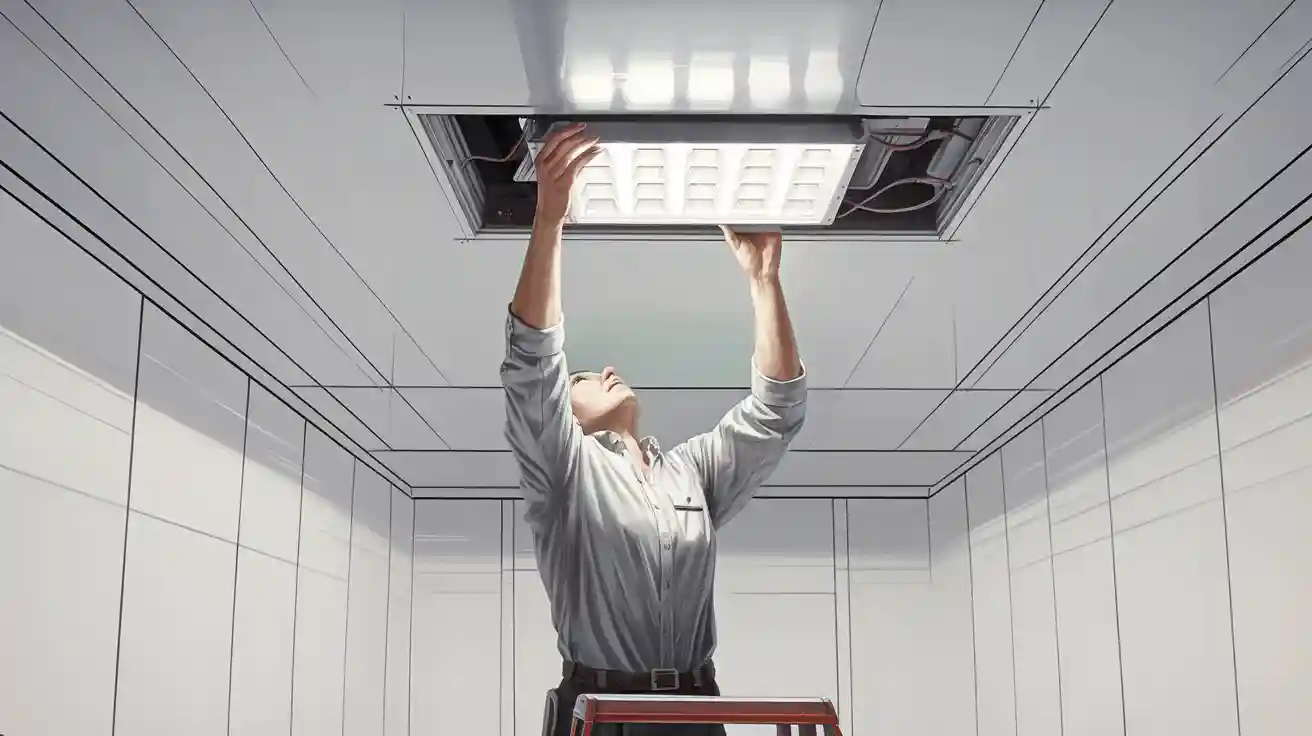
This guide helps users fix a ceiling-mounted led panel light safely and efficiently. Many failures result from overheating, electrical stress, or poor connections, so proper handling is crucial. Users should always turn off the power and use gloves and stable ladders for protection. Most led panel lights last between 25,000 and 50,000 hours under normal conditions, but factors like heat and incorrect installation can shorten their lifespan. For complex issues, seeking professional assistance remains a safe choice.
Safety Precautions
Power Off
Turning off the power at the breaker remains the most important step before starting any work on a ceiling-mounted LED panel light. This action prevents electric shock and protects both the user and the electrical system. Industry standards require that all inspections, installations, or removals begin with disconnecting the electricity. Electricians recommend using a voltage tester to confirm that no current flows to the fixture before proceeding.
Tip: Always label the breaker switch to avoid accidental reactivation during repairs.
LED panel lights often contain drivers with capacitors that can store charge even after power is off. To ensure complete safety, wait several minutes after switching off the breaker. Some professionals discharge capacitors by pressing the light switch (with the breaker off) or using a resistor tool. Never touch exposed wiring or terminals until certain that all stored energy has dissipated.
Key Electrical Safety Checklist
| Step | Action Required |
|---|---|
| Turn off breaker | Prevents electric shock |
| Confirm with voltage tester | Ensures no live current |
| Wait for capacitors | Allows stored charge to dissipate |
| Use insulated tools | Reduces risk of accidental contact |
Use Gloves and Ladder
Proper personal protective equipment (PPE) ensures safe handling and access. Gloves protect hands from sharp edges, dust, and accidental contact with electrical parts. A stable, non-slip ladder provides secure access to ceiling fixtures, reducing the risk of falls or injuries.
Always use gloves rated for electrical work.
Select a ladder that reaches the ceiling comfortably without overreaching.
Inspect the ladder for stability before use.
Position the ladder on a flat, dry surface.
Note: OSHA requires lighting fixtures to be mounted at least 7 feet above work surfaces and to have no exposed live parts. Secure mounting and protective shields prevent accidents and comply with safety codes.
Routine inspections and maintenance help maintain safety and compliance. Fire-rated LED panel lights, especially in insulated ceilings, reduce fire risk by containing heat and ignition sources. Installers must follow local building codes and use approved connectors and mounting hardware to ensure long-term safety[^1].
[^1]: All safety guidelines and installation standards referenced from UL, OSHA, and NEC regulations.
Diagnose led panel light Issues

Diagnosing problems in a ceiling-mounted led panel light requires a systematic approach. Technicians identify issues by observing symptoms, using specialized tools, and following safe procedures. Common problems include flickering, dimming, or complete failure. Each symptom points to a specific area for investigation.
Check Wiring Connections
Loose or damaged wiring often causes flickering, buzzing noises, or intermittent failures in led panel lights. Electricians recommend starting with a visual inspection of all connections. Signs of wiring problems include burning smells, frequent fuse blowing, and overheating. These hazards require immediate attention.
Professionals use a multimeter to check voltage and continuity. The following steps outline a safe testing process:
1.Turn off the switch controlling the fixture.
2.Set the multimeter to voltage mode.
3.Touch the black probe to the ground wire and the red probe to the hot wire.
4.A reading near 120 volts indicates power is present; zero volts suggests a wiring or fixture issue.
5.Avoid touching exposed wires during testing.
Tip: Always wear rubber-soled shoes and stand on an insulating mat when testing live circuits.
A table below summarizes common wiring issues and their symptoms:
| Wiring Issue | Symptom | Recommended Action |
|---|---|---|
| Loose connection | Flickering, buzzing | Tighten or replace wires |
| Damaged insulation | Burning smell, overheating | Replace affected section |
| Incorrect wire size | Dimming, flickering | Upgrade to proper gauge |
| Overloaded circuit | Frequent fuse blowing | Reduce load, check rating |
Regular maintenance and correct installation practices help prevent wiring failures. Using high-quality cabling and secure connections reduces voltage drops and ensures stable operation.
Inspect Driver
The driver regulates power to the led panel light. Faulty drivers cause several symptoms:
1.LEDs do not light up.
2.Flickering or flashing occurs.
3.Dimming or uneven brightness appears.
4.Overheating or burnt smell is present.
5.Noise or humming sounds come from the driver.
6.Technicians match drivers to fixture specifications to avoid unstable current flow. Using the wrong driver type shortens the lifespan of the led 7.panel light and causes performance issues. If the driver overheats or shows visible damage, replacement is necessary.
8.A multimeter helps check driver output voltage and continuity. For resistance testing, ensure the power is off and the panel is disconnected. If the driver fails to deliver the correct voltage, replace it with a compatible unit.
Note: Testing by temporarily replacing the driver with a known good unit confirms driver faults.
A table below lists driver symptoms and recommended actions:
| Driver Symptom | Possible Cause | Solution |
|---|---|---|
| No light output | Failed driver | Replace driver |
| Flickering | Incompatible driver | Match driver to panel |
| Dimming | Voltage drop, overheating | Improve ventilation, check wiring |
| Noise/humming | Electrical instability | Inspect connections, replace driver |
| Burnt smell | Overload, damage | Replace driver, check load |
Examine LED Chips
LED chips form the core of the led panel light. Blown or dead chips result in dark spots, uneven lighting, or total failure. Technicians use a multimeter set to diode mode to test individual chips. A working chip lights up when a small voltage is applied.
If a chip fails, a soldering iron (set at 450°C) removes the faulty component. Wires can bypass dead chips to restore circuit continuity, but replacing the chip is the best solution for long-term reliability.
Alert: Always discharge capacitors before working on the driver circuit to prevent electric shock.
A dim bulb tester (a 100-watt bulb in series with the load) acts as a current limiter during testing. This tool protects the repaired panel from short circuits.
Common symptoms of faulty LED chips include:
1.Uneven light output
2.Dark spots on the panel
3.Reduced brightness
4.Flickering in specific areas
5.Routine cleaning with a soft cloth and mild solution removes dust and debris, improving airflow and light output. Periodic inspections detect flickering, uneven lighting, or overheating early, allowing prompt repairs.
| LED Chip Issue | Symptom | Recommended Action |
|---|---|---|
| Blown chip | Dark spot, no light | Replace chip |
| Multiple dead chips | Uneven lighting | Replace affected chips |
| Dust/debris buildup | Dimming, overheating | Clean panel regularly |
| Poor solder joints | Flickering, intermittent | Resolder connections |
Technicians implement surge protection to safeguard led panel lights from power spikes. Using high-quality components and secure electrical connections prevents voltage fluctuations and failures.
Callout: If uncertain about any diagnostic step, consult a qualified electrician for safe and accurate evaluation.
[^2]: All diagnostic procedures and tool recommendations referenced from professional electrical maintenance standards.
Remove and Inspect
Remove Panel Light
Removing a ceiling-mounted LED panel light requires careful attention to safety and fixture type. Technicians always start by turning off the power at the circuit breaker and confirming the light is off with a voltage tester. They then use a flathead or Phillips screwdriver to remove the fixture cover. For surface-mounted panels, the process involves unscrewing the mounting brackets and gently lowering the panel. Recessed panels require disengaging spring clips or brackets inside the ceiling cut-out. Each type demands a different approach:
Surface-mounted panels: Unscrew from brackets attached directly to the ceiling. Removal is straightforward and does not require ceiling modifications.
Recessed panels: Access the ceiling cut-out, release spring clips, and carefully pull the panel down to avoid damaging the ceiling or the fixture.
Tip: Always support the panel with one hand while removing screws or clips to prevent accidental drops. Wearing safety goggles protects eyes from dust and debris.
Before fully removing the panel, technicians disconnect the wiring by unscrewing wire nuts. They note wire colors and may take a photo for reference. This step ensures correct reinstallation later.
Open Driver
After removing the panel, technicians locate the driver, usually housed in a small compartment at the back of the fixture. They open the driver enclosure using a screwdriver, taking care not to force the cover. Inside, they inspect for signs of overheating, burnt components, or loose connections. Handling the driver gently prevents damage to sensitive electronics.
A table below summarizes the steps for opening and inspecting the driver:
| Step | Action |
|---|---|
| Locate driver | Find compartment on panel back |
| Remove cover | Use screwdriver, avoid excessive force |
| Inspect components | Check for burns, loose wires, damage |
Access Internal Components
Accessing internal components requires additional caution. Technicians ensure the power remains off and handle the LED panel light gently to avoid damaging LED chips or circuit boards. They maintain at least 2 to 3 inches of space around the panel for heat dissipation. Regular inspection for loose connections, flickering, or physical damage helps identify issues early. Cleaning the panel surface with a soft, dry cloth prevents dust buildup, which can affect performance.
Note: Surge protectors and stable power sources help protect internal components from voltage fluctuations.
Routine maintenance and careful handling extend the lifespan of the fixture and reduce the risk of future failures. Technicians always follow manufacturer instructions and use proper mounting hardware to secure the panel during reinstallation.
[^3]: All procedures and safety recommendations are based on industry best practices and electrical safety standards.
Repair or Replace
Replace Driver
Technicians often encounter faulty drivers as a primary cause of malfunction in ceiling-mounted LED panel lights. They begin by measuring the output voltage using a multimeter. A healthy driver typically outputs between 12 and 60 volts, depending on the panel size. If the voltage falls outside this range, replacement becomes necessary.
When selecting a replacement driver, technicians match the constant current rating to the original specification, such as 260mA. This step prevents damage and ensures optimal performance. The voltage range of the new driver must meet or exceed the original to accommodate the LED configuration. For panels with multiple LED rings, using several smaller drivers is acceptable. The constant-current type remains essential, as LEDs require regulated current for longevity.
| Specification | Recommendation |
|---|---|
| Current Rating | Match original (±15%) |
| Voltage Range | Meet or exceed original |
| Driver Type | Constant-current |
| Application | Multiple drivers for multiple rings |
| Features | Dimming, microprocessor control optional |
Technicians consult datasheets and reputable vendors to ensure compatibility. They consider physical space, input power type, and heat dissipation requirements. Proper installation and secure connections help prevent future faults.
Tip: Always test the repaired driver with a dim bulb tester or multimeter before reinstalling the panel.
Fix Wiring
Damaged or loose wiring often leads to flickering, dimming, or complete failure. Technicians inspect all connections for signs of wear, overheating, or poor insulation. They use a multimeter to check continuity and voltage at each connection point.
If they find damaged insulation or burnt wires, they replace the affected sections with high-quality cabling. They ensure wire nuts are tight and connections are secure. Upgrading to the proper wire gauge helps prevent voltage drops and overheating.
A step-by-step approach improves safety and reliability:
1.Disconnect power and confirm with a voltage tester.
2.Inspect all wiring for damage or loose connections.
3.Replace or repair affected wires using approved connectors.
4.Test continuity and voltage after repairs.
5.Reassemble the fixture and restore power.
| Wiring Problem | Solution |
|---|---|
| Loose connection | Tighten or replace wires |
| Damaged insulation | Replace affected section |
| Incorrect wire size | Upgrade to proper gauge |
| Overloaded circuit | Reduce load, check rating |
Technicians avoid starting repairs with power on. They use insulated tools and wear gloves rated for electrical work. Proper wiring practices reduce the risk of electrical failures and fire hazards.
Replace LED Chips
LED chips may fail due to overheating, electrical stress, or aging. Technicians identify dead chips by shorting them or using a low-voltage power source. They use a multimeter set to diode mode to test individual chips. A working chip lights up when a small voltage is applied.
If a chip fails, technicians remove it using a soldering iron. They clean the solder pads and install a new chip with the correct polarity. Shorting faulty chips can restore circuit continuity temporarily, but replacement remains the best solution for long-term reliability.
| LED Chip Issue | Recommended Action |
|---|---|
| Blown chip | Replace chip |
| Multiple dead chips | Replace affected chips |
| Poor solder joints | Resolder connections |
| Dust/debris buildup | Clean panel regularly |
Technicians select replacement chips based on type, quantity, forward voltage, and recommended driving current. They consider heat dissipation requirements to prevent future damage. Wiring LEDs in series supports efficient design and constant current operation.
⚠️ Alert: Improper repair or replacement can cause overheating, electrical failures, or fire risk. Technicians maintain proper sealing and IP ratings, especially in wet environments. They use high-quality components and follow manufacturer guidelines to ensure safety.
Routine inspection and maintenance help prevent issues such as flickering, uneven lighting, or reduced brightness. Technicians avoid low-quality parts and improper handling, which can compromise thermal management and increase safety risks.
[^4]: All repair procedures and safety recommendations referenced from professional electrical maintenance standards.
Test the Light
Reinstall Panel
After completing repairs, technicians begin by carefully reinstalling the LED panel light. They align the panel with the ceiling opening or mounting brackets, ensuring all wiring remains clear of sharp edges. Most professionals recommend leaving the controller or wiring box free-floating for easier future maintenance. Only UL, ETL, or CSA certified equipment should be used to meet safety codes. Technicians follow manufacturer instructions, especially regarding driver mounting or anchoring. They avoid uncertified parts, which can introduce hazards.
Best Practices for Reinstallation:
Tighten all wiring connections to prevent flickering or loose contacts.
Confirm that the panel sits flush with the ceiling to avoid gaps.
Use only approved connectors and secure all fasteners.
Tip: Take a photo of wiring connections before disassembly to ensure correct reinstallation.
Restore Power
Once the panel is securely in place, technicians restore power at the breaker. Before doing so, they double-check that all wires are insulated and no components are loose. Insulating exposed wires with electrical tape or heat shrink tubing prevents short circuits. After restoring power, they turn on the switch and observe the fixture for immediate issues such as flickering or inconsistent brightness.
Step-by-Step Power Restoration:
1.Inspect all connections and fasten the panel cover.
2.Reconnect the panel to the power source.
3.Turn on the breaker and wall switch.
4.Observe the light for stable operation.
5.A table below summarizes the key checks:
| Step | Action |
|---|---|
| Inspect connections | Ensure tight, insulated wiring |
| Fasten cover | Secure all screws and mounting hardware |
| Restore power | Turn on breaker and switch |
| Observe operation | Check for flickering or dimming |
Confirm Operation
Technicians confirm proper operation by running several tests. They visually inspect the LED panel light for uniform brightness and absence of dark spots. Using a multimeter, they verify the driver's voltage output matches specifications. Extended testing involves leaving the light on for at least 30 minutes to monitor for overheating or flickering. If any issues arise, such as buzzing, dimming, or inconsistent light, technicians revisit troubleshooting steps. Common post-repair problems include loose connections, voltage drops, or incompatible drivers.
Troubleshooting Checklist:
1.Check all wiring and driver connections.
2.Test voltage output with a multimeter.
3.Replace any faulty components if problems persist.
⚠️ Alert: Persistent flickering or overheating may indicate deeper electrical issues. Seek professional help if problems cannot be resolved.
Regular inspection and maintenance help prevent future failures and ensure long-term reliability of the LED panel light[^5].
[^5]: All procedures and recommendations are based on industry best practices and electrical safety standards.
Technicians follow a clear process to fix ceiling lights: diagnose the issue, remove the fixture, repair or replace faulty components, and test the installation. Safety remains essential throughout each step. They always turn off power, use protective gear, and double-check all connections before restoring electricity. Those unfamiliar with electrical repairs should consult a professional to avoid hazards. Regular maintenance extends fixture lifespan and improves performance:
1.Clean lenses and diffusers to maintain brightness.
2.Inspect wiring and connections for damage.
3.Ensure proper heat dissipation and ventilation.
4.Replace defective bulbs promptly.
5.Protect fixtures from moisture and dust.
6.Minimize frequent on/off cycling.
7.Use lighting controls to reduce wear.
8.Follow manufacturer guidelines for installation.
9. Routine inspection and proper handling help prevent future failures and ensure safe operation.
FAQ
What tools do technicians need to fix a ceiling LED panel light?
Technicians use a voltage tester, multimeter, insulated screwdriver, wire stripper, and a stable ladder. They also keep replacement drivers, LED chips, and wire nuts on hand. Proper tools ensure safe and efficient repairs.
How long does a typical LED panel light last?
Most LED panel lights operate for 25,000 to 50,000 hours. Factors such as heat, power surges, and poor ventilation can reduce lifespan. Regular cleaning and inspection help maximize service life.
Can a single faulty LED chip cause the entire panel to fail?
Yes. In many designs, one failed chip interrupts the circuit, causing the whole panel to go dark. Technicians often test and replace individual chips to restore full function.
What are common signs of a failing LED driver?
| Symptom | Indication |
|---|---|
| Flickering | Unstable output |
| No light | Complete failure |
| Dimming | Voltage drop |
| Noise | Electrical issue |
Technicians replace the driver if these symptoms appear.
Is it safe to repair LED panel lights without professional help?
DIY repairs remain safe for those with electrical knowledge and proper safety gear. Always turn off power and use insulated tools. When unsure, consult a licensed electrician for complex issues or persistent faults[^6].
[^6]: All repair and safety recommendations referenced from electrical maintenance best practices.
Send Inquiry