


What are the benefits of low glare UGR <19 lights?
Jul 22, 2025
Leave a message
Introduction
UGR (Unified Glare Rating) is a glare evaluation standard developed by the International Commission on Illumination (CIE) to measure the degree of uncomfortable glare caused by lamps to the human eye in indoor environments. It is usually 10~30. The smaller the value, the weaker the glare and the better the visual comfort.
UGR<19 is the comfortable lighting threshold recommended by international standards (such as EN 12464-1) and is suitable for places with high requirements for visual comfort.

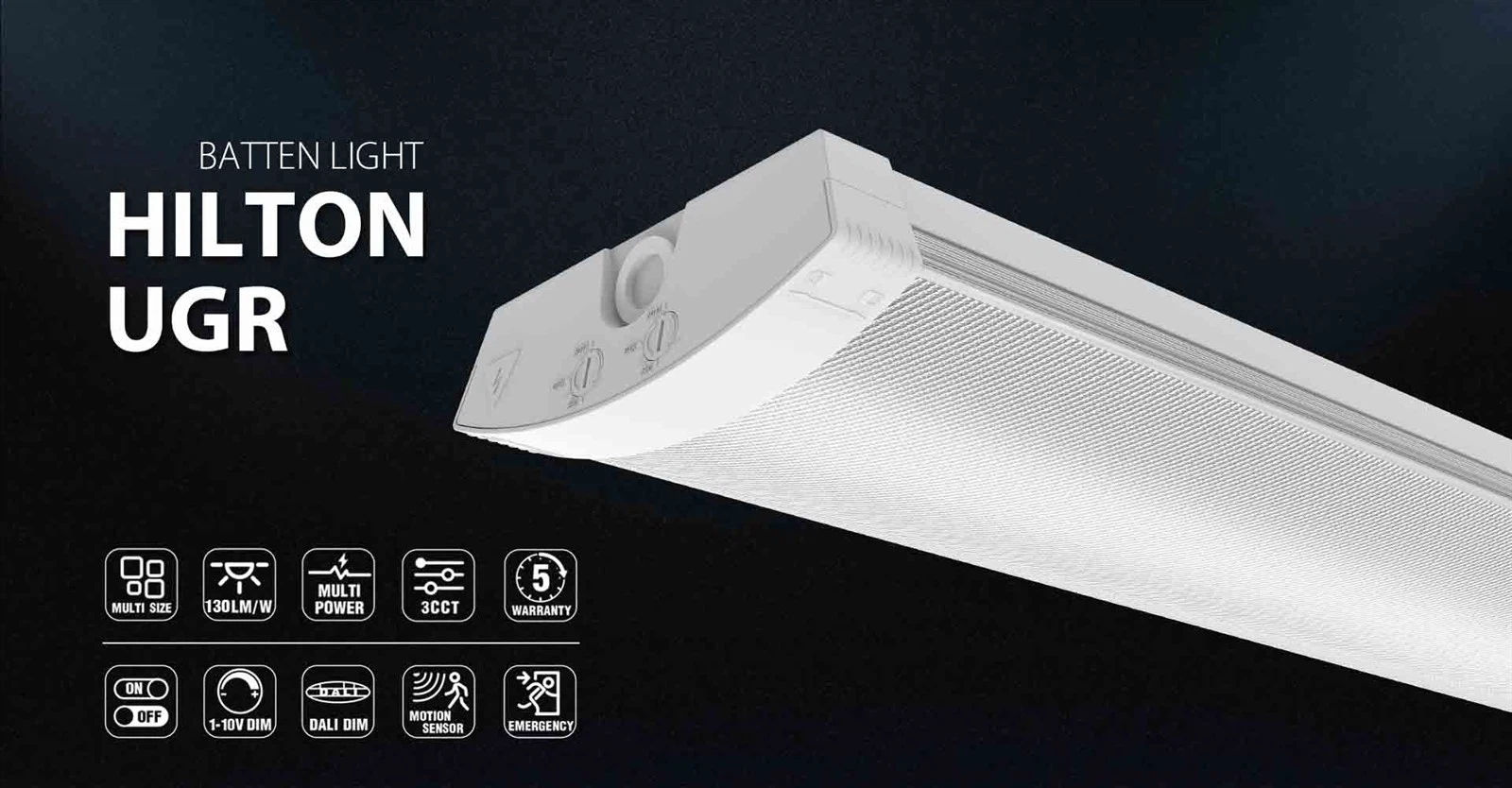
For people
-
Reduce eye fatigue and protect eyesight; lamps with UGR < 19 distribute light evenly, avoid direct strong light, and reduce dryness and fatigue caused by long-term use of eyes.
-
Improve concentration and work efficiency; a low-glare environment makes it easier for the brain to stay focused and reduce the decline in work efficiency due to visual fatigue.
-
Low-glare light fixture with UGR < 19 can significantly improve visual comfort and reduce health risks through scientific optical design and light control.
For the working environment
-
Flexible installation reduces the risk of accidents; in some workplaces, high-glare lamps are dazzling and may temporarily block the line of sight. Low-glare design can avoid such safety hazards.
-
Optimize spatial light distribution and extend the life of lamps; low-glare design is matched with an efficient optical system-a diffuser plate-to reduce heat accumulation and light decay, maintain spatial visual consistency, and reduce replacement frequency and resource consumption.
-
Energy saving and resource efficiency: reasonable use of low-glare lighting can reduce more than 30% of ineffective lighting energy consumption, reduce light pollution, and avoid excessive lighting.
Conclusion
Low-glare lamps achieve environmental friendliness through "precise use of light" and are one of the key technologies for sustainable lighting design.
Previous:led light panel ceiling
Send Inquiry