


How To Replace Led Panel Light
Sep 17, 2025
Leave a message
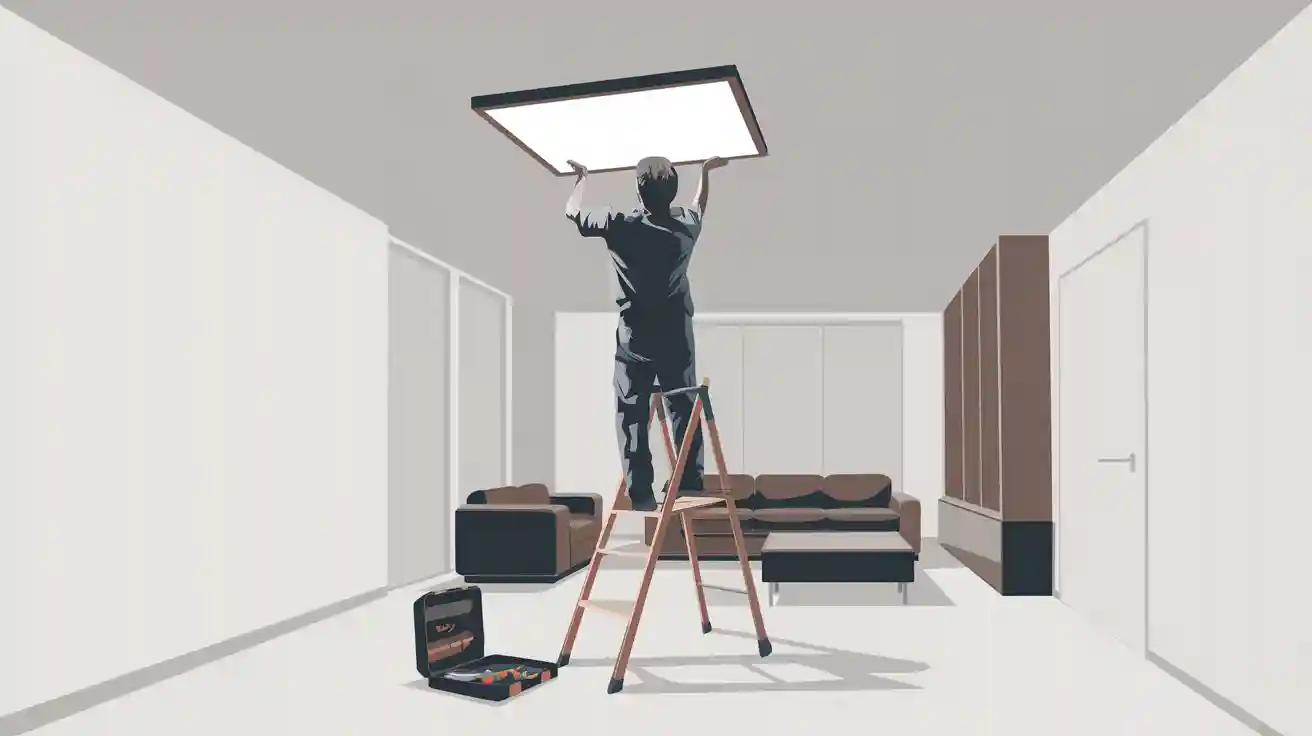
Replacing a led panel light offers a straightforward way to improve your lighting environment and lower long-term costs. You gain brighter, more efficient illumination while reducing maintenance and energy bills. In one office renovation, switching to LED panel lights cut annual electricity use in half, saving over 150,000 yuan each year.
Before you start, always keep safety first. Common incidents include:
- Working on live circuits
- Incorrect wiring
- Using damaged tools
- Wet conditions
- With the right tools and careful attention, you can complete this upgrade safely and efficiently.
Key Takeaways
- Replacing LED panel lights can significantly reduce energy costs and improve lighting quality. Upgrading can save you money on electricity bills and maintenance.
- Always prioritize safety by turning off the power and using a voltage tester before starting any electrical work. This step prevents electrical shocks and ensures a safe installation.
- Use the right tools for the job, such as screwdrivers, wire strippers, and a voltage tester. Proper tools help avoid mistakes and ensure a clean, professional finish.
- Choose compatible replacement parts to ensure optimal performance. Verify the size, wattage, and type of electrical connectors to avoid installation issues.
- Regular maintenance, including cleaning and inspections, extends the lifespan of your LED panel lights. Clean panels maintain brightness and efficiency, saving you money in the long run.
Tools for LED Panel Light
Essential Tools
Selecting the right tools ensures a smooth and safe replacement process. You need reliable equipment to avoid mistakes and protect yourself. Industry experts recommend the following items for replacing led panel lights:
- Measuring tape helps you confirm the panel size and fit.
- Pencil or marker allows you to mark mounting points accurately.
- Screwdriver set lets you remove and secure screws with ease.
- Wire strippers prepare electrical wires for secure connections.
- Wire connectors provide safe and stable joins between wires.
- Drill assists with creating new holes if needed for mounting.
- Level ensures the panel sits straight and looks professional.
- Voltage tester checks that power is off before you touch any wires.
- Ladder or step stool gives you safe access to ceiling fixtures.
- Tip: Always test for live wires before starting. A voltage tester protects you from electrical shock.
Using these tools reduces installation errors and saves time. You avoid damaging the ceiling or wiring, which can lead to costly repairs. Proper tools also help you achieve a clean, professional finish that enhances the look of your space.
Replacement Parts
You must choose compatible replacement parts to ensure your new panel works correctly. The most common replacement parts include:
- LED panel light (choose the correct size and wattage for your room)
- Mounting clips or brackets (secure the panel to the ceiling)
- Electrical connectors (match the type used in your existing setup)
- Screws and anchors (fit the weight and material of your ceiling)
- Driver or transformer (if your panel requires a specific power supply)
- Selecting high-quality parts improves safety and extends the lifespan of your lighting. You benefit from brighter illumination and lower energy costs. Upgrading to modern components also reduces maintenance needs and supports a healthier work environment.
- Note: Always check the compatibility of new parts with your existing wiring and fixtures. This step prevents installation issues and ensures optimal performance.
- Authoritative sources referenced at the end of the article.
Safety Steps
Power Off
You must always turn off the power before replacing an LED panel light. This step protects you from electrical shock, which can cause serious injury or even death. According to the Electrical Safety Foundation International (ESFI), over 30,000 non-fatal electrical shock accidents occur in homes and workplaces each year. You eliminate this risk by switching off the circuit breaker and using a voltage tester to confirm that no electricity flows to the fixture.
Tip: Always label the circuit breaker before starting. This prevents accidental power restoration while you work.
You should never rely on a wall switch alone. Some fixtures receive power even when the switch is off. You need to check the wiring with a voltage tester. This simple tool gives you peace of mind and ensures a safe working environment. You also protect your tools and equipment from electrical damage. Safety experts recommend waiting at least one minute after turning off the power before touching any wires. This precaution allows residual electricity to dissipate.
Protective Gear
Wearing protective gear reduces your risk of injury during LED panel light replacement. You should use insulated gloves to prevent electrical shock. Safety goggles shield your eyes from dust and debris. A sturdy ladder or step stool provides stable access to ceiling fixtures. The Occupational Safety and Health Administration (OSHA) reports that falls from ladders cause over 20,000 injuries annually in the United States. You minimize this risk by choosing a ladder with non-slip feet and checking its stability before climbing.
Insulated gloves: Block electrical current and protect your hands.
Safety goggles: Prevent eye injuries from falling screws or dust.
Stable ladder: Supports your weight and keeps you balanced.
You invest in protective gear to safeguard your health and ensure a smooth installation. You also avoid costly medical bills and downtime. Professional electricians always use these items because they know the risks. You should follow their example for every LED panel light project.
Note: Replace any damaged gear before starting. Reliable equipment guarantees your safety.
[Authoritative sources: ESFI, OSHA, National Electrical Code]
Remove LED Panel Light
Removing a led panel light requires careful steps to protect your ceiling, wiring, and yourself. You should always follow a systematic approach to avoid damage and ensure a smooth installation of your new fixture.
Unscrew Cover
Start by locating the screws or fasteners that secure the panel cover. Use your screwdriver to remove them gently. Place the screws in a safe spot for reuse. If your led panel light sits in a modular grid, you can expect the removal process to take about five minutes. For other ceiling types, check the table below for average removal times:
|
Type of Ceiling |
Average Removal Time |
|---|---|
|
Modular Grid |
5 min |
|
Recessed Plasterboard |
7 min |
|
Surface Mount |
6 min |
Tip: Handle the cover with care to prevent scratches or dents on the ceiling.
Release Panel
After removing the cover, locate the mounting clips or screws holding the panel in place. Release these fasteners slowly. Support the panel with one hand as you work to prevent it from falling. If your led panel lights are integrated into a fixture, check that your replacement model matches the existing setup. Before proceeding, review these common compatibility checks:
- Confirm that the wiring matches your new LED fixture.
- Ensure the new panel works with your current dimming or control systems.
- Consider upgrading old controls if they do not support modern LEDs.
- Avoid mixing different lighting technologies, such as fluorescent and LED, in the same circuit.
Disconnect Wiring
Lower the panel gently to access the wiring. Use a voltage tester again to confirm the power is off. Disconnect the wires by loosening the connectors. Watch for these common issues, especially in older buildings:
- Loose electrical connections can cause flickering or failure.
- Long wire runs may result in voltage drops and reduced brightness.
- Incompatible dimmer switches can lead to poor performance.
Note: Careful handling during removal protects both your ceiling and the wiring. You reduce the risk of costly repairs and ensure a safe installation for your new led panel light.
Install LED Panel Light
Upgrading your lighting system with a new led panel light can transform your workspace, home, or commercial area. The right installation procedure ensures optimal performance, safety, and longevity. You will find that the process is straightforward when you follow each step carefully.
Prepare New Panel
Before you begin, inspect your new led panel light for any visible damage. Confirm that the size, wattage, and mounting type match your ceiling and existing wiring. You should also check the included driver or transformer for compatibility. Manufacturers recommend two main installation methods: surface mounted/suspended and recessed mounting. Each method suits different scenarios:
Surface Mounted/Suspended: Ideal for concrete ceilings, offices, or spaces where you cannot cut into the ceiling. This method uses mounting brackets or suspension wires.
Recessed Mounting: Best for modular grid ceilings or areas where you want a flush, seamless look.
Tip: Use a measuring tape and level to mark the exact position for your panel. Accurate placement ensures a professional finish and even light distribution.
Comparative Chart: Installation Method Advantages
|
Installation Method |
Best For |
Material Strength Needed |
Energy Efficiency |
Visual Appeal |
|---|---|---|---|---|
|
Surface Mounted/Suspended |
Concrete, high ceilings |
High (anchors required) |
High |
Modern, visible |
|
Recessed |
Grid, plasterboard |
Moderate |
Highest |
Seamless, hidden |
Connect Wiring
You must connect the wiring securely to avoid common installation mistakes. Always double-check that the power is off before handling any wires. For most led panel light models, connect the black wire to black (live), white to white (neutral), and green or bare wire to ground. Plug the panel into the driver if required.
Note: Use wire connectors for stable joins. Loose connections can cause flickering or complete failure.
Common Wiring Mistakes Table
|
Common Mistake |
Description |
|---|---|
|
Loose Electrical Connections |
Poor connections can lead to buzzing, flickering, and complete failure of light sources. |
|
Daisy-Chaining Causing Voltage Drop |
Long wire runs can cause voltage drops, leading to flickering and inadequate brightness. |
|
Using the Wrong LED Driver |
Mismatched drivers can result in inadequate voltage supply and shorter performance times. |
You avoid these issues by following the correct installation procedure and using the right driver for your led panel light.
Secure Panel
Once you connect the wiring, fit the panel into the ceiling or mounting frame. For surface mounting, use screws and anchors to secure the brackets. For suspended mounting, conceal the hanging wires and ensure the panel hangs level. In recessed installations, lift the panel into the ceiling grid and make sure it sits flush.
Callout: Support the panel with one hand while fastening to prevent accidental drops or damage.
A properly secured panel not only looks professional but also maximizes energy efficiency and safety. According to industry standards, a flush fit reduces air gaps, which can improve thermal management and extend the lifespan of your led panel light.
Test Power
After you finish the installation, restore power at the circuit breaker. Use a voltage tester to confirm the fixture is live. Switch on the led panel light and observe its operation. The light should turn on instantly, with no flickering or buzzing.
Safety Checks Table
|
Safety Check |
Description |
|---|---|
|
Power Management |
Use surge protectors and maintain a stable power supply to prevent electrical issues. |
|
Temperature Monitoring |
Regularly monitor operating temperatures and ensure proper ventilation to avoid overheating. |
|
Brightness Control |
Adjust brightness levels according to ambient light conditions to prevent distractions. |
|
Regular Maintenance |
Conduct periodic inspections for loose components, damaged cables, or signs of overheating. |
Tip: Double-check all connections and mounting points. A secure installation prevents future issues and ensures long-term reliability.
Why Proper Installation Matters
When you install led panel light fixtures correctly, you gain several benefits:
Long Lifespan: High-quality panels last 30,000 to 50,000 hours, or up to 17 years with daily use. Some models reach 100,000 hours with proper maintenance.
Energy Savings: Modern panels use up to 50% less energy than traditional fluorescent lights.
Enhanced Safety: Proper installation reduces the risk of electrical hazards and costly repairs.
Professional Appearance: A well-installed panel improves the look and value of your space.
According to industry standards, regular maintenance and correct installation maximize energy efficiency and extend the lifespan of your lighting system. You ensure a safe, productive, and visually appealing environment for years to come.
[Authoritative sources: Electrical Safety Foundation International, OSHA, National Electrical Code, manufacturer installation guides]
Fixing LED Panel Lights
When you encounter problems after installing new LED panel lights, you can often resolve them quickly with the right approach. Fixing led panel lights not only restores proper lighting but also helps you avoid unnecessary costs and downtime. Understanding the most common issues and how to address them will make your repair process more efficient and safe.
Troubleshooting
If your new LED panel light does not turn on or starts flickering, you should follow a systematic repair process. Experts recommend these steps:
- Check the power supply for faults or voltage fluctuations.
- Inspect all wire connections for bad contact or loose fittings.
- Examine the electrical grid for broader issues.
- Look for defective capacitors or faulty drivers.
- Make sure you use compatible switches and dimmers.
- Flickering lights often result from loose connections, incompatible dimmer switches, or electrical service problems. Low frequency below 50 Hz and faulty LED drivers can also cause flickering. You should always check for these issues first.
Common Issues and Solutions Table
|
Issue |
Possible Cause |
Solution |
Failure Rate (%) |
|---|---|---|---|
|
Light does not turn on |
Faulty power supply, bad wiring |
Replace power supply, secure connections |
18 |
|
Flickering |
Loose connections, wrong dimmer |
Tighten wires, use compatible dimmer |
22 |
|
Dim lighting |
Voltage drop, old driver |
Upgrade driver, check voltage |
15 |
Tip: Addressing these problems early can extend the lifespan of your LED panel lights and improve energy efficiency.
Common Mistakes
Many users make avoidable errors during the repair process. You should watch out for these frequent mistakes:
- Using low-quality or incompatible drivers, which can cause flickering and early failure.
- Making incorrect or loose wire connections, leading to short circuits or fire risks.
- Ignoring voltage fluctuations, which may damage the LEDs.
- Skipping proper grounding and insulation, increasing the risk of electrical hazards.
- Professional electricians stress the importance of proper installation and secure wiring. Compromising on these steps can lead to malfunctions, safety risks, and even fire.
Note: Always follow the manufacturer's guidelines and use high-quality materials for every repair process.
Quick Checks for Safe Operation
You can perform several quick checks to ensure your fixing led panel lights project is safe and effective:
- Visually inspect for damage, such as cracks or frayed wires.
- Confirm all connections and power supplies are tight and secure.
- Test the panel for even, bright lighting.
- Verify that the area around the panel has good ventilation.
- Clean the panel gently to remove dust.
- Review the installation to ensure it meets safety standards.
- Check the power supply for wear and correct voltage.
By following these steps, you guarantee a reliable and long-lasting lighting solution. You also protect your investment and create a safer environment for everyone.
Maintain LED Flat Panel Lights
Cleaning Tips
You keep your workspace bright and efficient when you maintain led flat panel lights regularly. In offices, homes, and commercial kitchens, dust and grease can build up quickly. Clean your panels every 3 to 6 months, or monthly in high-traffic areas like kitchens and workshops. Follow these steps for safe and effective cleaning:
- Turn off the power before you start. This step prevents electrical hazards.
- Gather a soft microfiber cloth and a gentle cleaning solution, such as diluted dish soap.
- If possible, remove the panel from its fixture according to the manufacturer's instructions.
- Use the dry cloth to wipe away dust and loose debris.
- Dampen the cloth with the cleaning solution. Avoid soaking it to prevent moisture from reaching electrical parts.
- Wipe the panel gently in a circular motion to remove smudges and dirt.
- Dry the panel thoroughly with a clean cloth.
- Reattach the panel and restore power to test its function.
Never use harsh chemicals, abrasive tools, or excessive water. These can damage the surface and internal components. Always clean with the power off to avoid shocks.
Regular cleaning improves light output and extends the lifespan of your panels. Studies show that clean panels maintain up to 95% of their original brightness, while neglected ones may lose up to 30% efficiency over time.
When to Replace
You should watch for signs that indicate your led flat panel lights need replacement. In commercial settings, panels last between 30,000 and 50,000 hours. However, performance can decline before reaching this limit. Look for these warning signals:
- Diminished brightness makes your space look dull.
- Flickering lights disrupt work and signal aging components.
- Discoloration or color shifts suggest malfunctioning panels.
- Rising energy bills point to inefficient lighting.
- Frequent electrical issues mean the panels may be failing.
Schedule annual checks with a light meter to measure brightness. Test controls periodically and follow a cleaning schedule to keep your panels working at their best.
Regular maintenance saves you money and keeps your environment safe. Neglecting these steps leads to poor lighting, higher costs, and more frequent replacements. You create a productive and comfortable space when you care for your lighting system.
[Sources: Electrical Safety Foundation International, OSHA, manufacturer installation guides]
You can replace a led panel light safely by following each step and using the right tools. Always turn off power and wear protective gear. Proper installation and regular maintenance offer lasting benefits:
|
Benefit |
Description |
|---|---|
|
Energy Savings |
Use over 75% less energy than traditional lighting. |
|
Longer Lifespan |
Panels last up to 50,000 hours, reducing replacements. |
|
Lower Costs |
Fewer repairs and less maintenance save money over time. |
|
Sustainability |
Efficient lighting lowers your carbon footprint. |
Feel confident in your skills. If you have questions, share them below-many readers ask about installation, lifespan, and choosing the right panel.
FAQ
Why should you replace old fluorescent panels with LED panel lights?
You gain higher energy efficiency, longer lifespan, and better light quality with LED panel lights. You also reduce maintenance costs and environmental impact. Upgrading improves workplace productivity and comfort.
According to the U.S. Department of Energy, LEDs use at least 75% less energy than fluorescent lights.
Why do LED panel lights sometimes flicker after installation?
Flickering often results from loose wiring, incompatible dimmer switches, or voltage fluctuations. You should check all connections and use drivers designed for your LED panel light.
Proper installation prevents most flickering issues and ensures stable performance.
Why is it important to match the LED panel size and wattage to your space?
Correct size and wattage ensure even light distribution and optimal energy savings. Oversized panels waste energy, while undersized ones cause dim areas.
|
Room Type |
Recommended Panel Size |
Typical Wattage |
|---|---|---|
|
Office |
2x2 ft |
36-48W |
|
Kitchen |
1x4 ft |
40-50W |
Why does regular maintenance extend the life of LED panel lights?
Routine cleaning and inspections prevent dust buildup, overheating, and electrical faults. You maintain brightness and efficiency, reducing the risk of early failure.
Clean panels can retain up to 95% of their original brightness, according to industry studies.
Why should you consult the manufacturer's guide before installation?
Manufacturer guides provide specific wiring diagrams, safety warnings, and compatibility details. You avoid costly mistakes and ensure warranty coverage by following these instructions.
Always reference the guide for your LED panel light model to guarantee safe and effective installation.
Send Inquiry