


How To Change Led Panel Light?
Aug 30, 2025
Leave a message
Changing your led panel light can boost energy efficiency and modernize your space. You only need basic tools and a few simple steps. Before you start, safety comes first. Always turn off the power and use a voltage tester. Common risks include working on live circuits, mixing up wires, using damaged tools, or working in wet conditions. You can avoid these hazards by following instructions and inspecting your equipment. Upgrading gives you better lighting and lower energy bills.
Key Takeaways
- Always prioritize safety by turning off the power and using a voltage tester before starting any electrical work.
- Gather essential tools like wire strippers, screwdrivers, and voltage testers to ensure a smooth installation process.
- Choose the right LED panel light based on material, luminous efficacy, and compatibility with your existing setup for optimal performance.
- Follow proper installation steps carefully to avoid common mistakes that can lead to flickering lights or electrical hazards.
- Regular maintenance and using certified products can enhance the longevity and efficiency of your LED panel lights.

Tools for LED Panel Light
Essential Tools
Before you begin changing your LED panel light, gather the right tools to ensure a smooth installation. You will need a wire stripper to remove insulation from wires, which helps you make secure connections. Screwdrivers allow you to tighten or loosen screws on fixtures and bulbs. Screws act as fasteners to hold your new panel in place. A voltage tester checks if the power is off, keeping you safe during the process. You may use a solder iron for joining metal wires, especially if you want a strong connection. Wire connectors help you join multiple wires together efficiently. Electrical tape insulates and protects your connections. Heat shrink tubing provides extra insulation and protection for exposed wires.
Tip: Always inspect your tools before starting. Damaged equipment can lead to safety hazards or poor installation results.
Common Tools Checklist:
- Wire stripper
- Screwdrivers
- Screws
- Voltage tester
- Solder iron
- Wire connectors
- Electrical tape
- Heat shrink tubing
Choosing the Right LED Panel Light
Selecting the best LED panel light for your space depends on several factors. You should consider the panel's material, strength, and technical specifications. Most panels use aluminum frames for durability and lightweight handling. Polycarbonate diffusers offer high light transmission and impact resistance. Look for panels with a luminous efficacy of at least 100 lm/W for energy savings. Choose a color temperature that matches your environment-4000K for offices, 3000K for homes.
|
Panel Type |
Material |
Luminous Efficacy |
Usage Scenario |
Mounting Option |
|---|---|---|---|---|
|
Edge-lit |
Aluminum, PC |
100-120 lm/W |
Offices, schools |
surface mount kit |
|
Back-lit |
Aluminum, PC |
110-130 lm/W |
Retail, hospitals |
surface mount kit |
|
Slim recessed |
Aluminum, PC |
95-110 lm/W |
Homes, hotels |
Recessed frame |
You should check compatibility with your existing wiring and ceiling type. If you want a quick installation, a surface mount kit provides flexibility for mounting on flat ceilings without major modifications. This option suits both edge-lit and back-lit panels, making it ideal for most DIY projects.
Note: Always verify the panel's certification and warranty. UL-listed products meet safety standards and offer reliable performance.
Install LED Panel Light
Turn Off Power
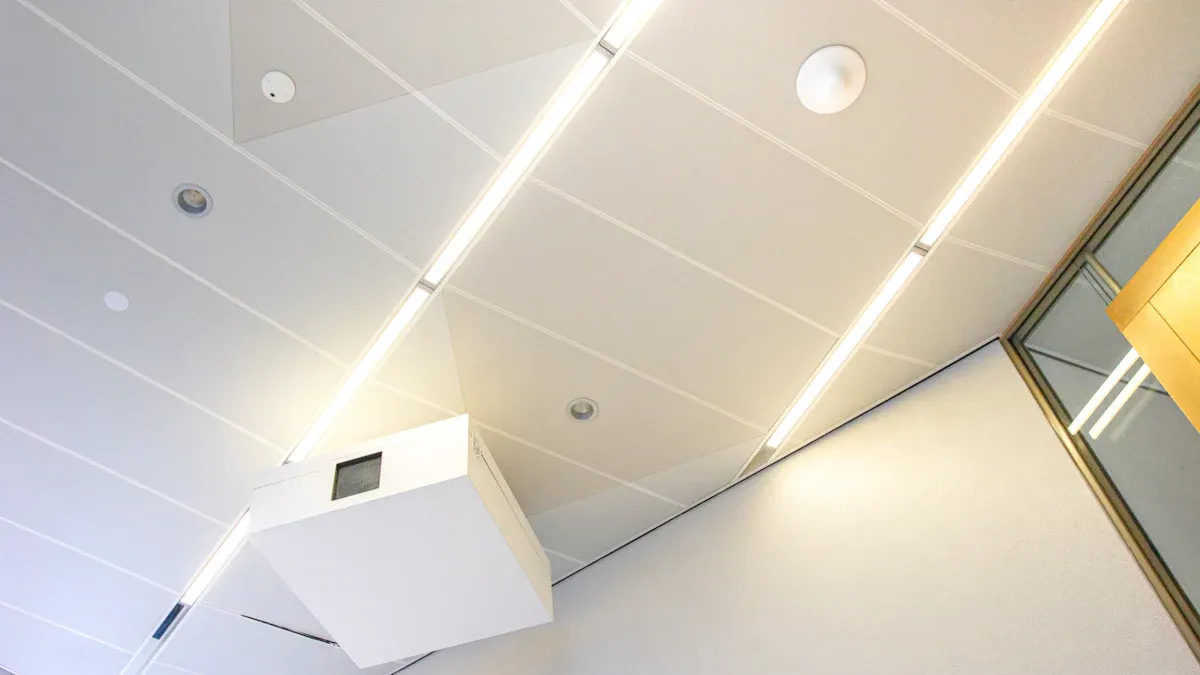
Safety always comes first when you install led panel light. You must turn off the electricity at the circuit breaker before you begin. Use a voltage tester to confirm that no current flows to the fixture. This step protects you from electric shock and meets UL 1598 safety standards for lighting installations. Never skip this step, even if you feel confident about your electrical skills.
⚠️ Tip: Double-check the power is off by testing the wires with your voltage tester. This simple action can prevent serious injury.
Remove Old LED Panel Light
Start by removing the old panel from the ceiling. If your fixture uses mounting clips or screws, loosen them with a screwdriver. Gently lower the panel from the ceiling grid or recessed frame. For modular ceilings, raise the fitting and slide the panel out. Take care not to damage the ceiling tiles or surrounding materials.
|
Type of Ceiling |
Removal Method |
Average Time |
|---|---|---|
|
Modular Grid |
Lift and slide out |
5 min |
|
Recessed Plasterboard |
Unscrew and lower |
7 min |
|
Surface Mount |
Remove screws, detach panel |
6 min |
Disconnect Wiring and LED Panel Driver
Once you remove the old panel, disconnect the wiring and the led panel driver. Identify the main AC wires and note their positions. Use a wire stripper if you need to expose more conductor. Disconnect the wires by loosening the connectors or unscrewing terminal blocks. Remove the driver from the panel if it is attached. Always keep the wires separated to avoid accidental contact.
Common Mistakes to Avoid:
- Mixing up wire connections can cause short circuits.
- Skipping voltage checks may result in inconsistent brightness.
- Using incompatible drivers can lead to flickering or panel failure.
Prepare and Connect New LED Panel Light
Check that your new panel matches the size and type of your ceiling. Confirm compatibility with your existing fixture and dimmer switch. Refer to the table below for common compatibility issues:
|
Compatibility Issue |
Description |
|---|---|
|
Right Fixture |
Ensure the panel fits and functions in your current holder. |
|
Matching Dimmer |
Use a dimmer compatible with LED technology. |
|
Correct Beam Angle |
Select a beam angle that suits your room for even lighting. |
|
Mixing Lights |
Avoid combining different lighting technologies. |
Feed the main AC wire into the driver terminal block. Connect the wiring according to the manufacturer's instructions. Secure each connection with wire connectors and insulate with electrical tape or heat shrink tubing. Attach the led panel driver to the new panel if it is not pre-installed.
🛠️ Note: High-quality drivers reduce the risk of flickering and extend the lifespan of your panel.
Secure and Test
Fix the new panel into the ceiling. For modular ceilings, adjust the earthquake clips and attach them to the T-Bar for a secure hold. For plasterboard ceilings, fit the panel into the opening and fasten it with screws or mounting clips. Make sure the panel sits flush and does not wobble.
Now, restore power and test the new panel. Turn on the circuit breaker and use the wall switch to check the light. The panel should illuminate evenly without flickering or dimming. If you notice any issues, double-check your wiring and driver connections.
|
Type of LED Panel Light |
Average Installation Time |
|---|---|
|
Standard 18w Panel |
15 - 20 minutes |
|
Mini Panel |
10 - 15 minutes |
|
Drywall Ceiling |
20 - 30 minutes |
Professional Insight: Proper installation ensures your led panel light delivers maximum efficiency and safety. Adhering to UL 263 and ASTM E119 fire safety standards protects your home and meets building codes.
Fixing LED Panel Lights
Common Issues
You may encounter several problems after installing a new led panel light. These issues often relate to wiring, drivers, or compatibility. The table below summarizes the most frequent problems and their descriptions:
|
Common Issue |
Description |
|---|---|
|
Flickering lights |
Lights flicker or buzz, often caused by poor connections or a faulty driver. |
|
Incorrect power connection |
Improper connection to the power source can prevent the panel from working. |
|
Loose connections |
Unsecured wires may result in flickering or total failure. |
|
Voltage drops |
Long wire runs can cause voltage drops, leading to dim or unstable lighting. |
|
Wrong LED driver |
Using the wrong driver may cause electrical issues and insufficient power. |
|
Intermittent light |
Lights may turn off or flicker unexpectedly due to loose wiring or misconfigured drivers. |
💡 Tip: You can prevent most issues by double-checking all connections and using compatible components during the repair process.
Troubleshooting Steps
You can resolve many problems with fixing led panel lights by following a systematic repair process. Start with basic safety checks and move through each step methodically:
- Turn off the switch and confirm the led panel light is off.
- Use the circuit breaker to eliminate the risk of electric shock.
- Avoid touching electrical parts with wet hands.
- Wear insulating gloves and follow safety protocols.
- Keep outlets covered and out of reach of children.
- If you feel unsure, consult a licensed electrician.
- For flickering or dim lights, use these targeted solutions:
- Check all wiring for secure and proper connections.
- Use dimmable LED bulbs if you want dimming capability.
- Replace any bulbs that flicker to rule out defects.
- Install dimmer switches designed for LED panels.
- Confirm the power supply matches your panel's dimming requirements.
- Apply pulse width modulation techniques for stable lighting.
- Avoid overloading dimmer switches with too many bulbs.
- Choose high-quality products for both bulbs and dimmers.
⚠️ If you complete the repair process and the problem persists, you should contact a professional. Electricians have specialized tools and expertise to diagnose complex issues, ensuring your safety and the longevity of your lighting system.
DIY troubleshooting can save you time and money, but professional repairs offer peace of mind and guaranteed results. You should weigh the benefits of each approach based on your comfort level and the complexity of the issue.
Safety Tips
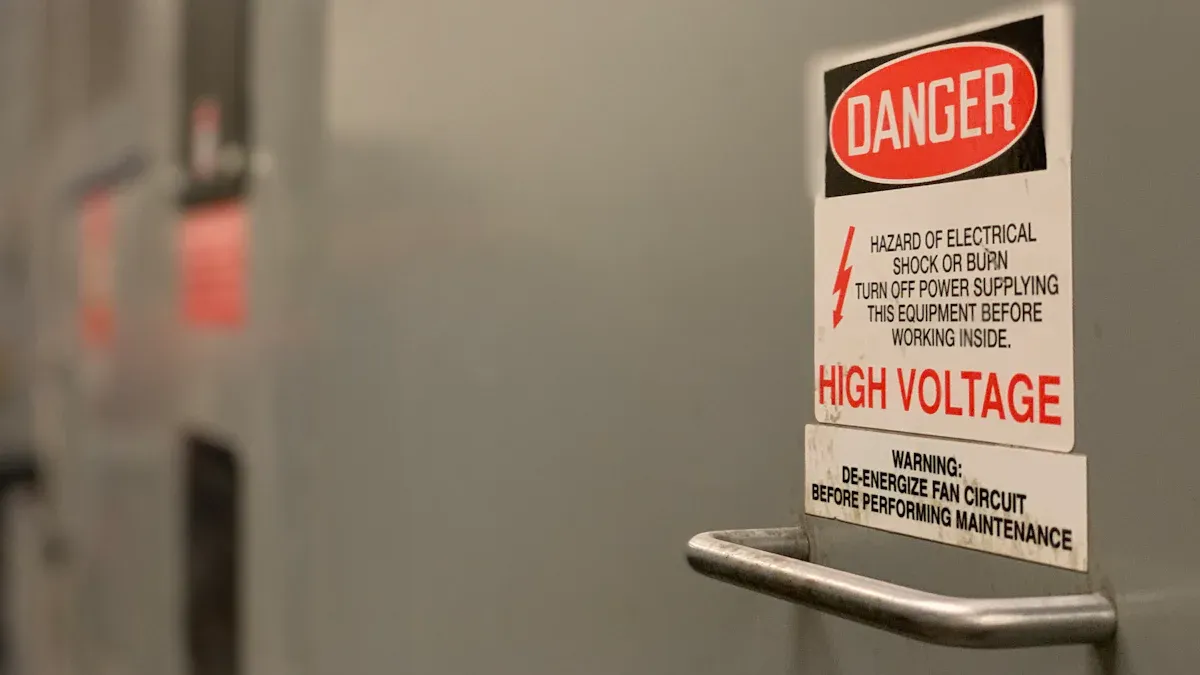
Image Source: unsplash
Precautions
You must prioritize safety when changing an LED panel light. Electrical safety authorities recommend several essential steps to protect yourself and your property.
- Check State and Local Codes: You need to follow the National Electrical Code and any local regulations. This ensures your installation meets legal and safety standards.
- Switch Off the Power: Always turn off the circuit breaker or remove the fuse before you start. Use a voltage tester to confirm that no current flows to the fixture. This step prevents electrical shock and serious injury.
- Use Insulated Tools: Select tools with non-conductive shafts. Insulated tools reduce the risk of shock if you accidentally touch a live wire.
- Install Surge Protection: Adding surge protectors to your circuit helps prevent damage from unexpected power surges.
- Maintain a Stable Power Source: A steady power supply keeps your LED panel light working efficiently and prevents flickering or early burnout.
🛡️ Tip: Always inspect your tools before use. Damaged or worn tools can increase the risk of accidents.
You should also plan your lighting design carefully. Quality LED products and regular maintenance help you avoid hazards and ensure consistent brightness. If you feel unsure about any step, seek advice from a licensed electrician.
Mistakes to Avoid
Many common mistakes can compromise your safety and the performance of your LED panel light.
Incorrect wiring or reverse polarity can cause electrical shock or damage your fixture. Always double-check your connections before restoring power.
Loose or obstructed wires often lead to flickering or total failure. Make sure you strip wires properly and connect them securely.
Frayed or overlapping wires may result in short circuits or mixed colors. Use clean, straight wires for all connections.
- Not connecting the light fixture to its power source correctly can prevent it from working.
- Using the wrong driver affects LED performance and may cause the panel to fail.
- Voltage drop issues can occur if you do not use parallel connections, leading to uneven lighting output.
⚠️ Alert: Never rush when wiring your fixture. Careful attention to detail prevents costly mistakes and keeps your home safe.
Regular maintenance and proper installation practices reduce long-term costs and prevent hazards. You protect your investment and your safety by following these best practices.
You now know how to change a led panel light safely and efficiently. Using the right tools and following each step helps you avoid common mistakes and ensures a smooth upgrade. When you switch to LED lighting, you reduce your energy use by up to 75% and lower your electricity bills. You also help the environment by cutting carbon emissions. For even greater savings, consider smart lighting or solar-powered options. If you have questions or want to share your experience, leave a comment below.
FAQ
Why does my new LED panel light flicker after installation?
Flickering often happens due to loose wiring, incompatible dimmer switches, or a faulty LED driver. You should check all connections and ensure you use a driver designed for your panel. If the issue continues, consider replacing the driver or consulting an electrician.
Why should you upgrade to an LED panel light instead of traditional lighting?
LED panel lights use less energy, last longer, and provide brighter, more even illumination. You save money on electricity and maintenance. Upgrading also helps you reduce your carbon footprint and improve the overall look of your space.
Why does my LED panel light not turn on after replacement?
You may have a wiring issue, a tripped breaker, or an incompatible driver. Double-check all connections and confirm the power is on. Use a voltage tester to verify current. If the problem persists, you should seek professional help.
Why do LED panel lights sometimes buzz or make noise?
Buzzing usually results from incompatible dimmer switches or poor-quality drivers. You should use dimmers and drivers rated for LED panel lights. High-quality components reduce noise and ensure stable performance.
Why is it important to use certified LED panel lights?
Certified LED panel lights meet safety and performance standards. You protect your home from electrical hazards and ensure reliable operation. Always look for UL or equivalent certification before you buy or install a new panel.
Send Inquiry